
Belgium's Beer Culture: A Traveler's Guide to Breweries and Bars
Belgium's beer culture is a world-renowned treasure, deeply woven into the nation's identity and heritage. From ancient Trappist abbeys to innovative urban craft breweries, this guide will navigate you through the diverse and delicious landscape of Belgian beer, ensuring an unforgettable journey for any enthusiast.
A Legacy of Flavor: Understanding Belgian Beer
Belgium boasts an unparalleled diversity of beer styles, a tradition so rich it was recognized by UNESCO as an Intangible Cultural Heritage of Humanity. This isn't just about drinking; it's about appreciating a craft perfected over centuries, where each brew tells a story of local ingredients, unique fermentation techniques, and monastic devotion.
Fun Fact:Belgium has more unique beer styles per square mile than any other country, with over 1500 original beers produced by hundreds of breweries.
Unlike many other beer-producing nations, Belgian brewers often prioritize complexity, balance, and a wide range of flavors over strict adherence to specific ingredient lists. This philosophy has led to a fascinating array of beers, from crisp, tart sours to rich, warming dark ales.
Essential Belgian Beer Styles to Try
To truly appreciate Belgian beer, understanding its key styles is crucial. Each offers a distinct experience:
Trappist Beers
Brewed within the walls of Cistercian monasteries under the strict supervision of Trappist monks, these beers are among the most revered globally. Only a handful of breweries worldwide bear the authentic "Authentic Trappist Product" label. Expect complex flavors, often high alcohol content, and a profound sense of tradition.
- Chimay:One of the most famous, offering a range from refreshing Tripels to rich Quads.
- Orval:A unique, dry-hopped ale with a distinctive Brettanomyces yeast character that evolves over time.
- Westmalle:Known for its exceptional Dubbel and Tripel, benchmarks for their respective styles.
- Rochefort:Produces dark, strong ales with deep, fruity, and spicy notes.
- Westvleteren:Often considered the world's rarest beer, only sold directly from the abbey and highly sought after.
Lambic & Gueuze
Unique to the Senne Valley near Brussels, Lambic beers are spontaneously fermented using wild yeasts and bacteria found in the air. This results in incredibly complex, tart, and often funky profiles. Gueuze is a blend of young and old Lambics, creating a sparkling, champagne-like sour beer.
- Cantillon:A true pilgrimage site for sour beer lovers, known for its traditional Lambics and Gueuzes.
- 3 Fonteinen:Another highly respected blender producing exceptional traditional Lambics.
Abbey Beers
While not brewed by monks themselves, these beers are made under license from existing or defunct abbeys. They often emulate Trappist styles, offering accessible yet high-quality interpretations. Examples include Leffe and Grimbergen.
Strong Golden & Dark Ales
These styles represent the powerful end of the Belgian spectrum. Strong Golden Ales, like Duvel, are often pale, highly carbonated, and deceptively potent. Dark Ales, such as Gouden Carolus Classic or St. Bernardus Abt 12, are rich, malty, and often feature notes of dark fruit and caramel.
Saisons
Originating as refreshing farmhouse ales brewed for seasonal workers, Saisons are typically dry, fruity, and spicy, often with a peppery finish. They are incredibly food-friendly and perfect for warmer weather.
Visiting Belgian Breweries: Tips for Travelers
A brewery visit offers an immersive experience into the heart of Belgium's beer culture. Remember to check opening hours and book tours in advance, especially for smaller or more popular sites. Consider public transport or a designated driver, as tastings are generous!
Iconic Breweries to Explore
Belgium offers a fantastic range of breweries open to the public, from historical family operations to modern craft innovators.
- Brasserie Cantillon (Brussels):Step back in time at this traditional Lambic brewery. Tours offer a fascinating insight into spontaneous fermentation and blending. It's a must-visit for anyone interested in the history of beer.
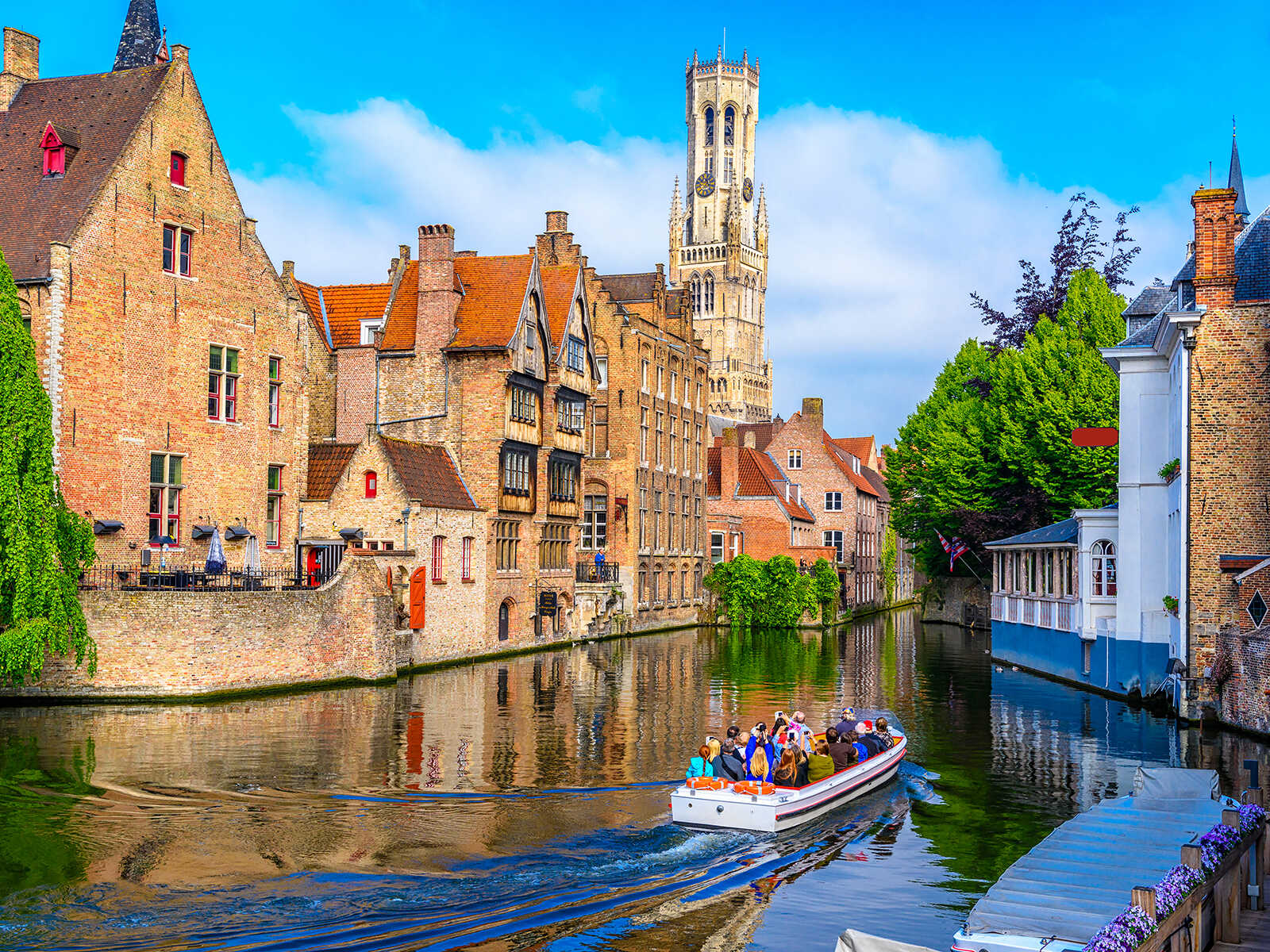
- Brouwerij De Halve Maan (Bruges):Located in the heart of Bruges, this historic brewery offers guided tours culminating in a tasting with views over the city. A great stop after exploring the Canals of Bruges.
- Duvel Moortgat Brewery (Breendonk):Discover the secrets behind one of Belgium's most iconic strong golden ales. The visitor center offers tours and extensive tastings.
- Brouwerij Het Anker (Mechelen):Home to the Gouden Carolus range, this brewery also operates a hotel and brasserie, making it a perfect base for an overnight stay and thorough exploration of their craft.
- St. Bernardus Brewery (Watou):Known for producing beers in the Westvleteren tradition, St. Bernardus offers tours and a tasting room where you can sample their renowned Abt 12.
Experiencing Belgian Beer in Bars and Cafés
Beyond the breweries, Belgium's bars and cafés are temples to beer, each with its own character and extensive menu.
Grand Cafés and Traditional Brown Cafés
Seek out the grand cafés with their opulent decor or the cozy "brown cafés" (bruine kroegen), named for their wood-paneled interiors stained by years of tobacco smoke (though now smoke-free). These establishments often boast hundreds of beers, served in their proper glassware. Notable examples include:
- Delirium Café (Brussels):Famous for holding a Guinness World Record for the most beers available, with over 2,000 different options.
- Kulminator (Antwerp):A legendary, unassuming bar with an encyclopedic beer list and an incredible cellar for aged beers. You can also explore the nearby Grote Markt.
- 't Brugs Beertje (Bruges):A classic brown café known for its extensive selection and knowledgeable staff.
- De Garre (Bruges):Tucked away down a narrow alley, this atmospheric spot serves its own potent Tripel.
Beer Shops and Bottle Stores
For souvenirs or to take your favorite brews home, visit dedicated beer shops. They offer a vast selection, often including rare or limited-edition bottles not easily found elsewhere. Knowledgeable staff can help you navigate the choices. Many cities, including Brussels, Bruges, Ghent (near the Ghent historic town centre), and Leuven (near the Groot Begijnhof), have excellent options.
Beer Festivals
If your visit coincides with a beer festival, it's an excellent opportunity to sample a wide range of beers in one place. The Belgian Beer Weekend, held annually in early September on Brussels'Grand Place, is a highlight, showcasing breweries from across the country.
Pairing Beer with Belgian Cuisine
Belgian beer isn't just for drinking; it's an integral part of the culinary landscape. Many traditional dishes, such as carbonnade flamande (beef stew cooked in beer) or mussels steamed in Gueuze, incorporate beer directly. For pairing, consider a refreshing Tripel with mussels and frites, a dark Dubbel with rich stews, or a tart Lambic to cut through creamy cheeses.
Respecting the Culture: Etiquette and Enjoyment
Enjoying Belgian beer is an art. Always use the proper glass for each beer; it's designed to enhance aroma and flavor. Most Belgian beers are served cellar-cool, not ice-cold, to allow their complex profiles to shine. Sip slowly, savor the nuances, and remember to drink responsibly. The high alcohol content of many Belgian beers can be deceptive!
Conclusion
Belgium's beer culture offers a journey of discovery, from the hallowed halls of Trappist abbeys to the lively ambiance of urban bars. Whether you're a seasoned connoisseur or a curious traveler, the depth and diversity of Belgian beer promise an enriching and delicious experience that extends far beyond a mere pint.