
Belgian Waffles vs. Liege Waffles: A Sweet Guide to Belgium's Iconic Treat
Embark on a delicious journey through Belgium's most beloved culinary export: the waffle. While often broadly referred to as "Belgian waffles," this country actually offers two distinct, equally delightful versions, each with its own unique charm and history. Understanding the difference is key to truly savoring this iconic treat.
The Grand Debate: Belgian Waffle vs. Liege Waffle
For visitors, the terms "Belgian Waffle" and "Liege Waffle" can be confusing, especially since what the world often calls a "Belgian Waffle" is typically a Brussels-style waffle. The distinction lies in their origin, ingredients, texture, and how they are traditionally enjoyed. Both are fantastic, but they offer entirely different experiences that cater to various preferences.
The Brussels Waffle (Often Called the "Belgian Waffle")
The Brussels waffle, orGaufre de Bruxelles, is what most people picture when they think of a "Belgian Waffle." It's a true classic, celebrated for its light and airy texture. Visually, it's easily identifiable:
- Shape:Typically rectangular with perfectly straight edges.
- Texture:Crisp on the outside, incredibly light and fluffy on the inside, thanks to its yeast-leavened batter.
- Pockets:Features large, deep pockets designed to hold an abundance of toppings.
- Serving:Traditionally served warm, dusted simply with powdered sugar, allowing its delicate flavor to shine. However, it's also a popular canvas for a variety of additions like fresh fruit (strawberries, bananas), whipped cream, chocolate sauce, or even ice cream, making it a perfect dessert or substantial snack.
Fun Fact:The Brussels waffle gained international fame at the 1958 Brussels World's Fair, where it was introduced to a global audience. Its popularity quickly spread, though often simply dubbed the "Belgian Waffle" abroad.
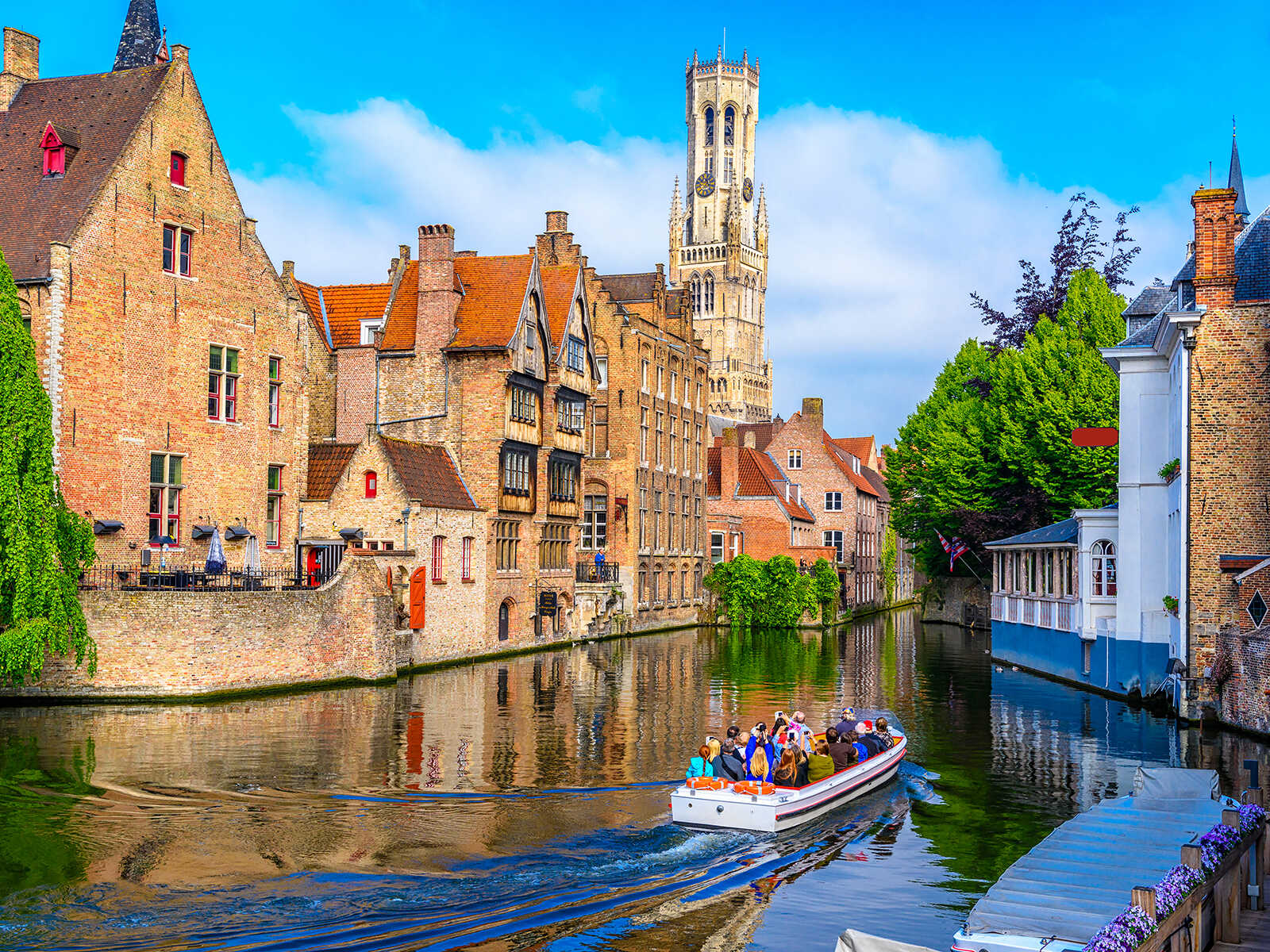
You'll find Brussels waffles in most cafes and restaurants across Belgium, from bustling city centers like the area around Grand Place in Brussels to charming eateries near the Canals of Bruges.
The Liege Waffle (Gaufre de Liège)
In contrast, the Liege waffle, orGaufre de Liège, is a beast of a different kind. Hailing from the Wallonia region, specifically the city of Liege, this waffle is a more robust, chewy, and intensely flavorful experience. It’s often considered the more authentic "street food" waffle in Belgium.
- Shape:Irregularly shaped with rounded edges, often rustic and unique in appearance.
- Texture:Much denser and chewier than its Brussels counterpart, with a brioche-like dough.
- The Pearl Sugar:The defining characteristic is the inclusion of "pearl sugar" – small chunks of sugar that caramelize and create pockets of sweet crunchiness when cooked on the hot iron. This gives the waffle a distinct, almost candied exterior.
- Serving:Best enjoyed warm, often straight from the iron, and usually plain or with minimal toppings. The pearl sugar caramelization provides enough sweetness and texture that additional toppings are often unnecessary, though a light drizzle of chocolate or a dollop of cream isn't uncommon.
Traveler's Tip:When walking through Belgian cities, the sweet, yeasty aroma of Liege waffles baking is often your first clue that a vendor is nearby. Follow your nose!
Liege waffles are commonly found at street stalls, small bakeries, and specialized waffle shops throughout Belgium. They make a fantastic on-the-go snack as you explore sights like the Ghent historic town centre or after a refreshing walk in the Hoge Kempen National Park.
A Closer Look at the Differences
To summarize, here's a quick comparison of what sets these two iconic Belgian treats apart:
- Dough vs. Batter:The Brussels waffle uses a thin, yeast-leavened batter, similar to pancake batter but lighter. The Liege waffle uses a thick, sticky, brioche-like dough.
- Sugar Content:Brussels waffles get their sweetness primarily from toppings and a dusting of powdered sugar. Liege waffles have pearl sugar kneaded directly into the dough, which caramelizes during baking.
- Serving Style:Brussels waffles are often a sit-down dessert, lavishly topped. Liege waffles are typically a handheld, on-the-go snack, often eaten plain.
- Texture:Light, airy, and crisp (Brussels) vs. dense, chewy, and caramelized (Liege).
- Shape:Rectangular with deep pockets (Brussels) vs. irregular with rounded edges (Liege).
Waffle Culture in Belgium: More Than Just a Treat
Waffles are deeply ingrained in Belgian culture. They're not just a breakfast item; they're enjoyed as a midday snack, an afternoon pick-me-up, or a delightful dessert. You'll see locals grabbing a Liege waffle from a street vendor as they commute, or families enjoying Brussels waffles with coffee in a cozy cafe. The versatility and sheer deliciousness of both types ensure their enduring popularity.
While the country is small, its culinary offerings are vast and varied. From the bustling streets of Brussels to the serene Ardennes Hills, a delicious waffle is never far away. Don't forget to try a waffle when visiting the coastal towns like Knokke-Heist beaches, where a warm treat can be the perfect complement to a sea breeze.
Where to Find the Best Waffles in Belgium
The "best" waffle is subjective and depends on your preference, but here's how to ensure a great experience:
- Look for Freshness:The most important tip is to find a place that makes them fresh to order. The aroma alone will guide you.
- Brussels:For Brussels waffles, explore cafes around tourist hotspots like the Grand Place, but also venture into quieter streets for local gems. Many establishments specialize in elaborate waffle presentations.
- Liege:To experience the Liege waffle at its finest, a visit to its namesake city, Liege, is highly recommended. Street vendors there have perfected the craft.
- Bruges & Ghent:Both cities offer excellent options for both types. In Bruges, look for charming waffle houses near the Canals of Bruges. In Ghent, explore the Ghent historic town centre for traditional bakeries.
- Anywhere Else:Even in less populated areas or near natural attractions like the Eifel Natural Park, you might stumble upon a delightful local spot.
Tips for the Waffle Enthusiast
- Try Both:Don't limit yourself to just one! Experience both the light elegance of the Brussels waffle and the hearty sweetness of the Liege waffle.
- Go Local:Seek out smaller, independent shops or street vendors for an authentic experience.
- Eat Them Warm:Waffles are always best enjoyed warm, especially the Liege waffle, where the caramelized pearl sugar is at its most appealing.
- Ask for Names:To ensure you get the type you want, specifically ask for a "Gaufre de Bruxelles" for the lighter version or a "Gaufre de Liège" for the denser, chewy one.
Whether you prefer the crisp, airy elegance of a Brussels waffle or the dense, chewy, pearl-sugar delight of a Liege waffle, Belgium offers a sweet treat for every palate. Exploring these two distinct styles is an essential part of any Belgian culinary adventure.