
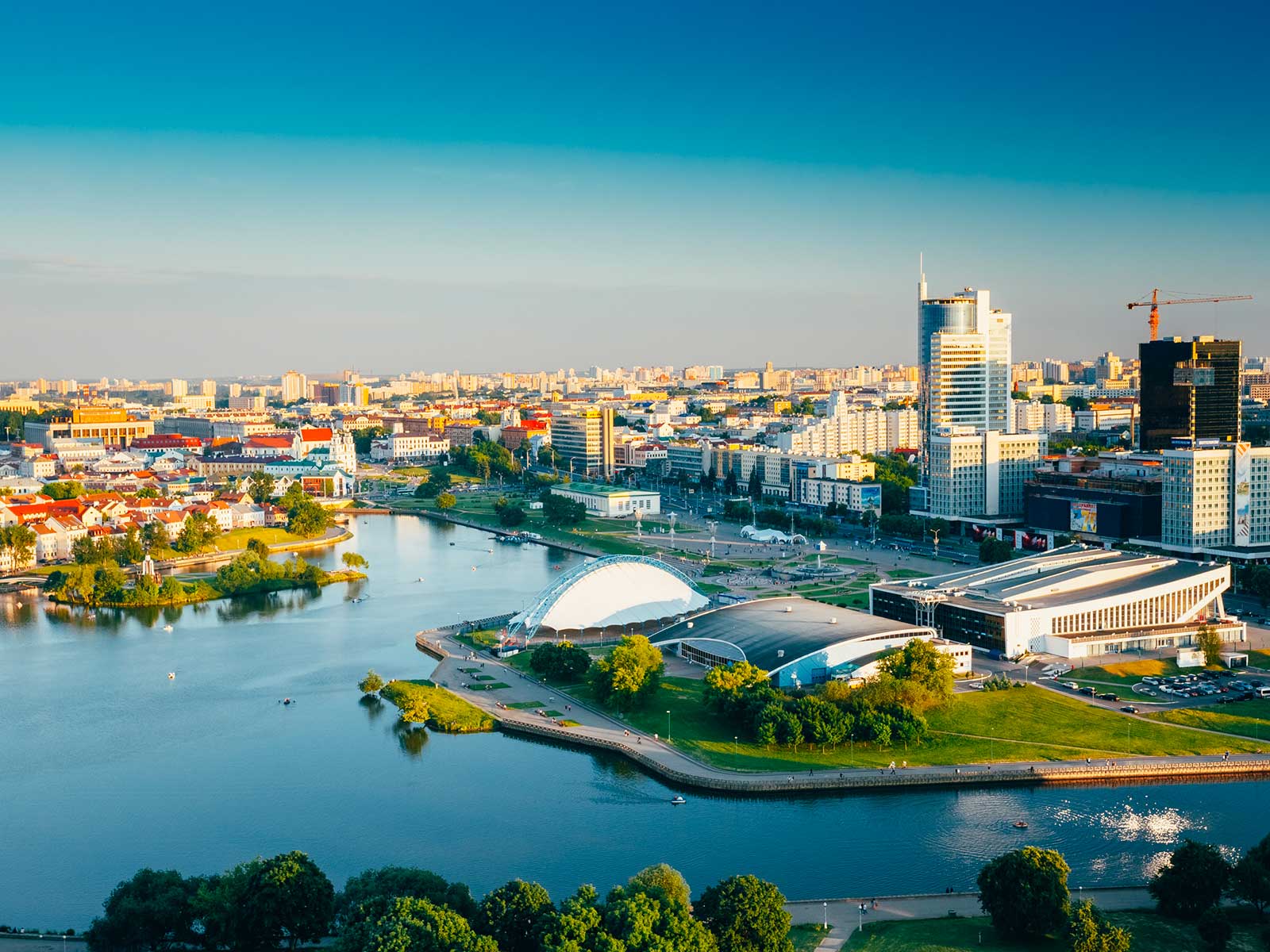
Transportation in Belarus: Modes of Travel & Tips
Belarus offers a diverse range of transportation options, from efficient urban networks to comfortable intercity connections, making it accessible for every type of traveler. Navigating its cities and exploring its beautiful landscapes is straightforward once you understand the local systems. This guide will help you master travel across the country, ensuring a smooth and enjoyable journey.
Exploring Belarus: An Overview of Travel Options
Belarus boasts a well-developed transportation infrastructure, inherited largely from its Soviet past but continuously modernized. Whether you're arriving internationally or exploring domestically, you'll find reliable and generally affordable ways to get around. From major cities to serene national parks, a variety of modes are available to suit your itinerary and budget.
Intercity and Long-Distance Travel
Rail Travel: Connecting Cities and Regions
The Belarusian Railways (BelZhD) offers an extensive and comfortable network, making train travel a popular choice for intercity journeys. Trains are generally punctual, clean, and provide a relaxing way to see the country. Different classes of trains are available, ranging from slower regional services to faster inter-regional and express routes.
- Regional (Economy) Trains:These stop at more stations and are the most budget-friendly option, often used by locals for shorter distances.
- Inter-Regional (Business) Trains:Offering more comfort and fewer stops, these are ideal for connecting major cities like Minsk, Brest, Gomel, and Grodno.
- Express Trains:The fastest services, designed for quick connections between key urban centers.
For rail enthusiasts, a visit to the Brest Railway Museum offers a fascinating look into the history of locomotives and wagons, highlighting the country's rich railway heritage.
It's advisable to purchase tickets in advance, especially for popular routes or during peak travel seasons. This can be done online via the BelZhD website or at train stations.
Bus and Marshrutka: Extensive Road Network
Belarus has a comprehensive bus network that reaches almost every town and village, often serving areas not accessible by train. Intercity buses are generally comfortable and a reliable option for medium to long-distance travel.
For destinations like the historic Nesvizh Castle, the poignant Khatyn Memorial Complex, or the natural beauty of the Braslaw Lakes, buses are frequently the most practical public transport choice from major cities.
Traveler Tip:Marshrutkas, or shared minibuses, are a local favorite. They operate on fixed routes but often depart once full, offering a faster and more flexible alternative to regular buses, particularly for regional connections. They are an excellent way to reach unique spots like the Chalk Pits or the city of Lida.
Driving in Belarus: Freedom to Explore
Renting a car or driving your own vehicle provides the ultimate flexibility to explore Belarus at your own pace. The road quality is generally good, especially on major highways, and traffic outside of Minsk is usually light. An International Driving Permit (IDP) is required in addition to your national driving license.
Driving is particularly recommended for those wishing to visit Belarus's stunning natural reserves and national parks, such as the ancient forests of Belovezhskaya Pushcha National Park or the wetlands of National Park Pripyatsky, where public transport options might be limited.
Ensure you are familiar with local traffic laws and parking regulations. Fuel stations are widely available, accepting both cash and card payments.
Air Travel: For International Access
Minsk National Airport (MSQ) is the primary international gateway to Belarus, connecting the country with various cities across Europe, Asia, and the Middle East. While domestic air travel is not common due to the country's relatively compact size and efficient ground transport, flying internationally offers convenience and speed for arrivals and departures.
Navigating Belarusian Cities
Minsk's Efficient Urban Network
As the capital, Minsk boasts a highly efficient and integrated public transportation system, making it easy to navigate its wide avenues and explore its attractions.
- Minsk Metro:The city's clean and reliable metro system consists of two lines, covering most key areas. It's an excellent way to travel quickly across the city. Many popular sites, including the area around the Upper City Minsk, are easily accessible by metro.
- Buses, Trams, and Trolleybuses:An extensive network of ground transport complements the metro, reaching virtually every corner of the city. These are ideal for shorter distances and scenic rides.
- Taxis and Ride-Sharing:Traditional taxis are readily available, but popular ride-sharing apps like Yandex.Taxi and Uber operate efficiently in Minsk and other major cities, offering convenience and transparent pricing. These can be useful for reaching destinations slightly outside the city center, such as the Minsk Sea or the historical Mound of Glory.
Urban Transport in Other Major Cities
Most other Belarusian cities, including Brest, Gomel, Grodno, and Mogilev, rely primarily on extensive bus and trolleybus networks. Trams are also present in some cities like Vitebsk. These systems are generally easy to use and cover the urban areas effectively. In Brest, for instance, local buses and trolleybuses can take you to significant sites like the Memorial Complex Brest Hero and the Berestye Archeological Museum.
Active and Alternative Travel
Walking and Cycling
Walking is a delightful way to explore Belarusian city centers, many of which feature pedestrian-friendly streets and beautiful parks. Minsk, in particular, has made significant strides in developing cycling infrastructure, with dedicated paths along rivers and through green spaces. Renting a bicycle can be a pleasant way to see the city or explore the flatter, more picturesque rural areas.
Essential Travel Tips for Belarus
- Language Considerations:While Russian is the primary language spoken, and Belarusian is also official, English is less common outside of major tourist areas and hotels. Having a translation app or a phrasebook can be incredibly helpful when using public transport or interacting with drivers.
- Ticketing and Payment:For urban transport, single-use tickets can often be purchased from kiosks at stops or directly from the driver. In Minsk, a reusable transport card (like the "Minsk Pass") offers convenience. For intercity trains and buses, buying tickets online or at station ticket offices is standard. Cash (Belarusian Rubles - BYN) is widely accepted, though card payments are becoming more common, especially in cities.
- Planning Your Journey:Utilize online mapping services like Google Maps for route planning within cities. For train schedules, the official BelZhD website is the most reliable source. For bus routes, local bus station websites or general travel apps can assist.
- Safety:Belarusian public transport is generally safe and reliable. As always, keep an eye on your belongings, especially in crowded areas.
With its efficient rail system, extensive bus networks, and well-maintained roads, exploring Belarus is a rewarding experience. Whether you prefer the speed of a train, the flexibility of a marshrutka, or the freedom of your own car, you'll find a suitable way to discover this fascinating country.