
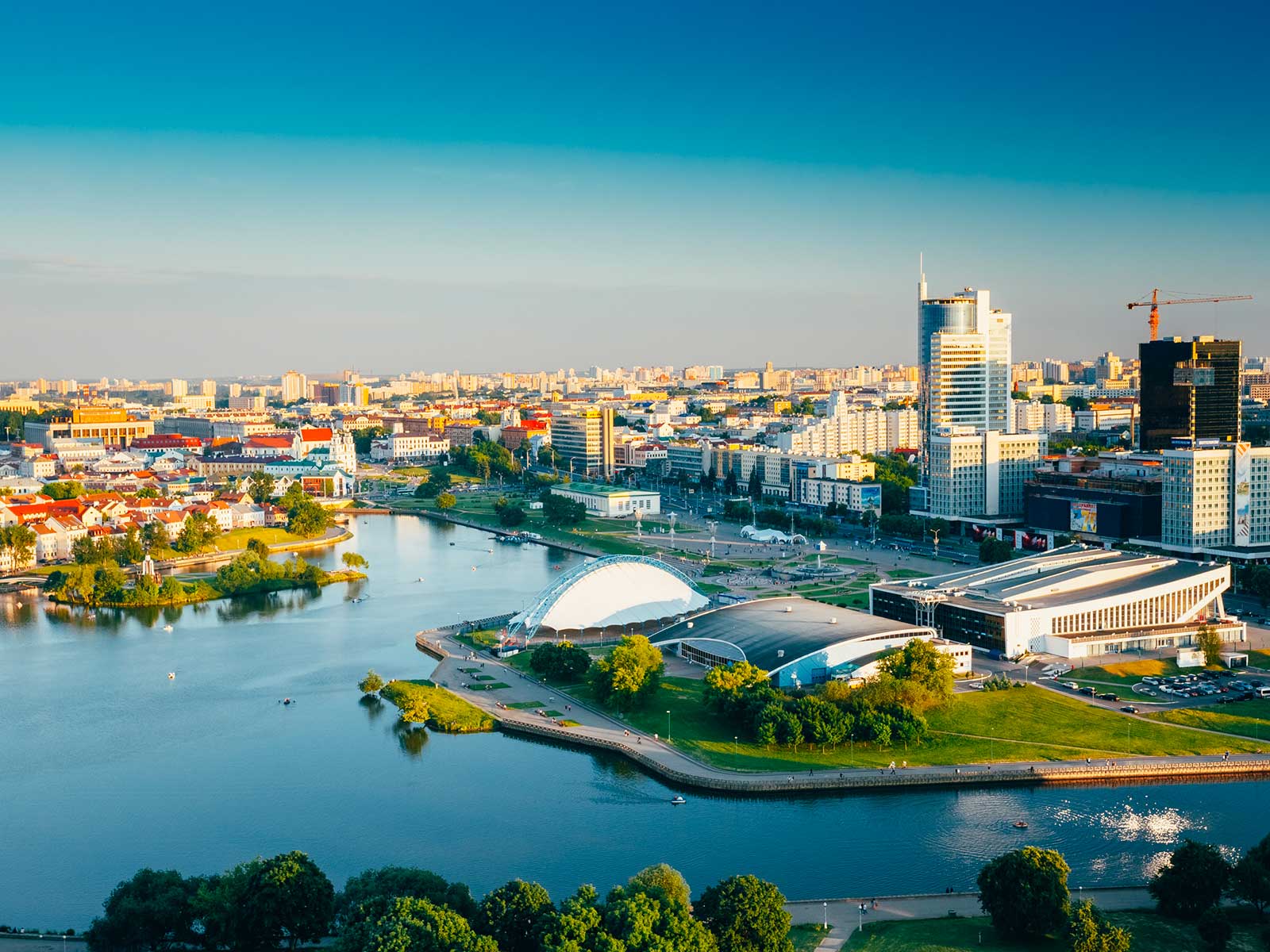
Is Belarus Safe for Tourists? Essential Safety Tips
Belarus, often referred to as the "Last Dictatorship in Europe" by some Western media, is a fascinating and often misunderstood country. While its political landscape garners international attention, many travelers wonder about the practicalities and safety of visiting this Eastern European nation. The good news is that for tourists, Belarus is generally considered a safe destination, offering unique cultural experiences and historical sites.
Like any travel destination, understanding local customs, laws, and potential risks is key to a smooth and enjoyable trip. This guide will provide essential safety tips to help you navigate Belarus with confidence.
General Safety and Crime
Belarus boasts a relatively low crime rate, especially violent crime against tourists. Petty crime, such as pickpocketing or bag snatching, can occur, particularly in crowded areas or tourist hotspots in major cities like Minsk. However, with basic precautions, you can minimize these risks.
- Be Aware of Your Surroundings:Pay attention to your belongings in busy markets, on public transport, and around popular attractions such as the Upper City Minsk.
- Secure Valuables:Keep passports, large sums of cash, and other important items in a secure place, such as a hotel safe, and only carry what you need for the day.
- Avoid Walking Alone at Night:While generally safe, poorly lit streets in unfamiliar areas can increase risk. Opt for reputable taxis or walk with company after dark.
- Alcohol Consumption:Drink responsibly. Over-indulgence can make you a target for petty crime or lead to misunderstandings with locals or authorities.
Emergency Numbers in Belarus:
- Police: 102
- Ambulance: 103
- Fire Department: 101
- Gas Emergency: 104
Political Climate and Local Laws
Belarus has a strict legal system, and adherence to local laws is paramount for tourists. The political situation, while stable on the surface, requires visitors to be mindful and respectful.
- Avoid Demonstrations:Steer clear of any political protests or large gatherings. Participation in or even observation of such events can lead to arrest and deportation.
- Photography Restrictions:Be cautious when taking photos. Do not photograph military installations, government buildings, or law enforcement personnel without explicit permission. When visiting solemn sites like the Khatyn Memorial Complex or the Memorial Complex Brest Hero, observe any posted rules regarding photography.
- Carry Identification:Always carry a copy of your passport and visa (if applicable). Police may stop and ask for identification, and not having it could lead to complications.
- Drug Laws:Belarus has a zero-tolerance policy for drugs, with severe penalties for possession, use, or trafficking.
Fun Fact:Belarus is often called the "lungs of Europe" due to its extensive forests and national parks, such as Belovezhskaya Pushcha National Park, home to European bison. While visiting these natural wonders, remember to respect local environmental laws and guidelines.
Traffic and Road Safety
Navigating Belarusian roads can be different from what you're used to, especially if you plan to drive. Pedestrian safety is also an important consideration.
- Driving:Road conditions vary. Major highways are generally well-maintained, but rural roads can be less so. Be mindful of speed limits, which are strictly enforced. Drunk driving carries severe penalties.
- Pedestrians:Use designated crosswalks and traffic lights. Belarusian drivers may not always yield to pedestrians, even at marked crossings. Exercise caution before stepping into the road.
- Public Transport:Buses, trolleybuses, trams, and the Minsk Metro are generally safe and efficient. Taxis are widely available; use official services or ride-sharing apps to avoid overcharging.
Health and Medical Facilities
While Belarus has a functioning healthcare system, it's essential to be prepared for any medical needs that may arise during your trip.
- Travel Insurance:This is perhaps the single most important safety tip. Ensure you have comprehensive travel insurance that covers medical emergencies, evacuation, and repatriation.
- Medical Facilities:Major cities like Minsk and Brest have better medical facilities than rural areas. English-speaking doctors may be rare, so consider a translation app or service.
- Pharmacies:Pharmacies are well-stocked for common ailments. If you require specific prescription medication, bring an adequate supply with a doctor's note.
- Food and Water:Tap water in cities is generally safe to drink, but bottled water is widely available and recommended for those with sensitive stomachs. Food safety standards are generally good, but always choose reputable eateries.
- Tick-Borne Diseases:If you plan to explore natural areas like the Braslaw Lakes or National Park Pripyatsky, be aware of the risk of tick-borne diseases, especially during warmer months. Take precautions such as wearing long sleeves and using insect repellent.
Cultural Sensitivity and Etiquette
Respecting local customs and traditions will not only enrich your travel experience but also help you avoid unintentional offense or misunderstandings.
- Dress Code:When visiting religious sites, such as the churches near Nesvizh Castle, dress modestly. Women may be expected to cover their heads.
- Language:Russian and Belarusian are the official languages. While younger generations in Minsk might speak some English, it's not widely spoken outside major tourist areas. Learning a few basic Russian phrases or using a translation app will be greatly appreciated.
- Hospitality:Belarusians are generally hospitable, but their demeanor might seem reserved at first. A warm smile and polite greetings go a long way.
Practical Tips for a Smooth Trip
Beyond direct safety concerns, several practical considerations can significantly enhance your experience in Belarus.
- Visa and Entry:Check the latest visa requirements for your nationality well in advance. Belarus offers visa-free entry for up to 30 days via Minsk National Airport for citizens of many countries, but strict conditions apply. For longer stays or different entry points, a visa is required.
- Currency:The local currency is the Belarusian Ruble (BYN). ATMs are widely available in cities, and credit cards are accepted in most larger establishments. It's always a good idea to carry some cash for smaller purchases or rural areas.
- Registration:If you stay in Belarus for more than 10 working days (or less, depending on your nationality and visa type), you must register your stay with the local migration office. Hotels typically handle this for their guests.
- Local SIM Card:Consider purchasing a local SIM card for reliable internet access and phone calls, which can be invaluable for navigation, translation, and emergencies.
Exploring Belarus Safely
Belarus offers a rich tapestry of history, culture, and nature. From the grandeur of Nesvizh Castle to the poignant history of the Khatyn Memorial Complex and the defensive might of Memorial Complex Brest Hero, there's much to discover. Explore the unique beauty of the Chalk Pits, or delve into local history at the Brest Railway Museum or the Berestye Archeological Museum. Even the capital, Minsk, offers diverse attractions from the Minsk Sea to the Museum of Malformations of the Human Body for the truly curious.
By following these essential safety tips and maintaining a respectful and informed approach, your trip to Belarus can be a memorable and safe adventure. The country's unique charm, friendly people, and fascinating sights await those willing to explore beyond the headlines.