
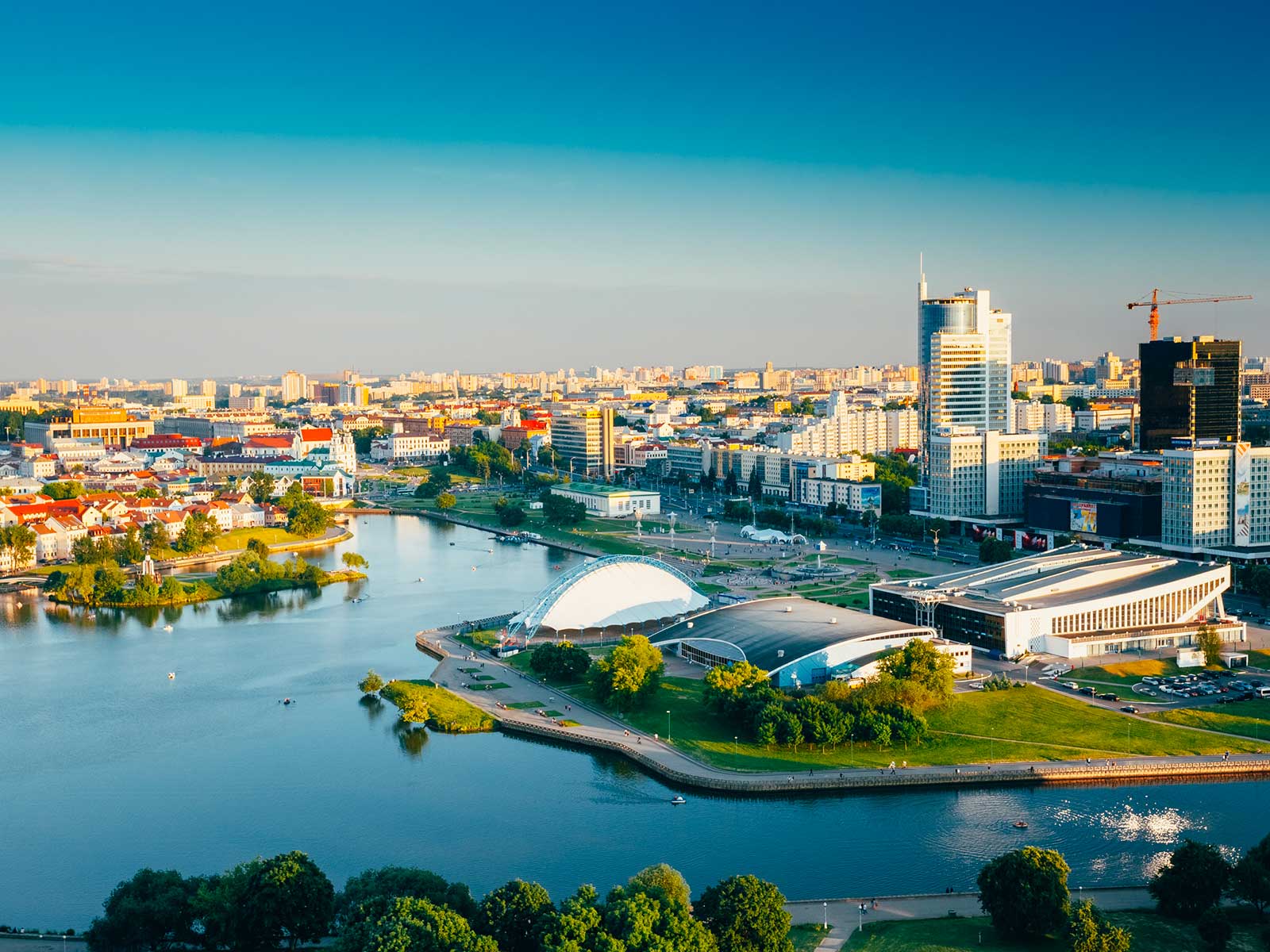
Best Time to Visit Belarus: Weather, Events & Crowds
Belarus, a fascinating Eastern European gem, offers a unique blend of history, culture, and natural beauty. Deciding on the "best" time to visit largely depends on your travel preferences, as each season unveils a different side of this captivating country. Whether you're chasing sunny lake days, vibrant autumn colours, or snow-dusted historical sites, understanding Belarus's distinct seasons is key to planning your perfect trip.
Understanding Belarus's Seasons
Belarus experiences a temperate continental climate, characterized by warm summers and cold, snowy winters. Spring and autumn are transitional periods, offering milder temperatures and unique scenic beauty. Each season brings its own set of activities, events, and considerations regarding crowds and accommodation.
Spring (March - May)
Spring in Belarus is a season of awakening and renewal. As the winter chill recedes, the country slowly thaws, giving way to budding trees and blossoming flowers. Early spring (March) can still be quite cold with lingering snow, but by April and May, temperatures become pleasantly mild.
- Weather:March averages around 0-5°C, while April sees temperatures climb to 8-15°C. May is considerably warmer, often reaching 15-22°C, with increasing sunshine and occasional rain showers.
- Events & Activities:Spring is a wonderful time for cultural exploration. Easter (Paskha) is a significant religious holiday, celebrated with solemnity and traditional customs. May 9th, Victory Day, is a major national holiday with parades and commemorative events across the country, particularly poignant at sites like the Khatyn Memorial Complex and the Memorial Complex Brest Hero. As the weather warms, strolling through cities like Minsk and exploring the Upper City Minsk becomes very enjoyable.
- Crowds:Generally moderate. Tourist numbers pick up towards late spring, especially around national holidays.
- Pros:Pleasant temperatures, blooming landscapes, fewer crowds than summer, significant national celebrations.
- Cons:Early spring can still be chilly and muddy, unpredictable weather.
Summer (June - August)
Summer is peak season for tourism in Belarus, and for good reason. The weather is at its warmest and sunniest, making it ideal for outdoor activities and exploring the country's natural wonders.
- Weather:Temperatures typically range from 20-28°C, often reaching into the low 30s°C. While generally sunny, summer can also bring occasional thunderstorms.
- Events & Activities:This is the prime time for enjoying Belarus's lakes and national parks. The Braslaw Lakes become a hub for swimming, boating, and camping. Hiking and wildlife spotting are popular in Belovezhskaya Pushcha National Park or National Park Pripyatsky. The Minsk Sea offers urban beaches and water sports. Look out for traditional Belarusian festivals like Kupalle (Ivan Kupala Night) in July, celebrated with bonfires and ancient rituals. Exploring the unique landscapes of the Chalk Pits is also popular during the warmer months.
- Crowds:Highest tourist numbers, especially at popular natural attractions and during major festivals. Accommodation should be booked in advance.
- Pros:Warmest weather, long daylight hours, vibrant outdoor life, numerous festivals.
- Cons:Higher prices for accommodation and flights, more crowded attractions, occasional intense heat or summer storms.
Traveler's Tip:If visiting in summer, pack light clothing but also bring a light jacket for cooler evenings and rain gear. Mosquito repellent is a must, especially near lakes and forests!
Autumn (September - November)
Autumn in Belarus is a beautiful season, often referred to as "golden autumn" for its stunning foliage. The initial weeks of September can feel like an extension of summer, but temperatures gradually drop, and the landscape transforms into a palette of reds, oranges, and yellows.
- Weather:September is often mild, 12-18°C, with plenty of sunshine. October sees a noticeable drop to 5-12°C, and by November, temperatures hover around 0-5°C, with the first frosts and occasional snow.
- Events & Activities:Early autumn is fantastic for sightseeing without the summer crowds. Historical sites like Nesvizh Castle and the town of Lida with its impressive castle are particularly picturesque against the autumn backdrop. Harvest festivals (Dozhinki) are celebrated in rural areas. Late autumn is quieter, ideal for those seeking a more contemplative trip, perhaps visiting museums like the Berestye Archeological Museum or the Brest Railway Museum.
- Crowds:Significantly fewer crowds than summer, especially from mid-October onwards.
- Pros:Gorgeous scenery, pleasant temperatures in early autumn, fewer tourists, lower prices.
- Cons:Weather becomes increasingly unpredictable and colder towards late autumn, shorter daylight hours.
Winter (December - February)
Belarusian winters are cold and snowy, transforming the landscape into a magical, often serene, wonderland. While challenging for some, winter offers a unique charm and opportunities for specific activities.
- Weather:Temperatures typically range from -5°C to -15°C, but can occasionally drop much lower. Snowfall is common, creating picturesque scenes.
- Events & Activities:Christmas (celebrated on December 25th by some, and January 7th by Orthodox Christians) and New Year are major holidays, marked by festive decorations, markets, and celebrations. Winter sports, such as skiing and ice skating, are popular. Visiting Belovezhskaya Pushcha National Park in winter offers the enchanting possibility of seeing bison in the snow, and the residence of the Belarusian Ded Moroz (Father Frost). Indoor attractions like the Museum of Malformations of the Human Body or the numerous art galleries in Minsk provide warmth and cultural immersion. The Mound of Glory also has a stark beauty when covered in snow.
- Crowds:Lowest tourist numbers outside of the holiday periods (late December/early January).
- Pros:Beautiful snowy landscapes, festive atmosphere around holidays, opportunities for winter sports, very few crowds, potentially lower prices for flights and accommodation.
- Cons:Very cold temperatures, short daylight hours, some outdoor attractions may have reduced access, challenging driving conditions.
Events & Festivals Throughout the Year
Beyond seasonal highlights, Belarus hosts several notable events that might influence your travel dates:
- Slavianski Bazaar in Vitebsk (July):An international arts festival attracting performers and visitors from across the Slavic world and beyond. If you plan to attend, book accommodation well in advance.
- Dozhinki (Autumn):A traditional harvest festival, the location of which changes annually, celebrating the end of the agricultural season with folk music, dance, and food.
- Maslenitsa (Late Winter/Early Spring):A vibrant Slavic pagan holiday marking the end of winter and the beginning of spring, celebrated with pancakes, bonfires, and effigy burning.
- Minsk International Film Festival "Listapad" (November):Showcasing international and Belarusian cinema.
Navigating Crowds & Accommodation
The summer months (June-August) represent the peak tourist season in Belarus. During this time, popular attractions, especially national parks and lake districts, will see the most visitors. Accommodation prices tend to be higher, and availability can be limited, particularly in smaller towns or near major event venues. Booking well in advance is highly recommended for summer travel or if your visit coincides with major festivals.
Conversely, late autumn (October-November) and winter (outside of the Christmas/New Year period) are the quietest times. You'll encounter fewer crowds, often find better deals on accommodation, and experience a more local atmosphere. Spring (March-May) and early autumn (September) offer a good balance of pleasant weather and moderate crowd levels.
Practical Tips for Planning Your Trip
- Visa & Entry:Always check the latest visa requirements for Belarus well in advance of your trip, as regulations can change.
- What to Pack:Layers are always a good idea. In spring and autumn, include waterproof outerwear. Summer requires light clothing, but a sweater for evenings is wise. For winter, essential items include a heavy winter coat, thermal layers, waterproof boots, hat, gloves, and a scarf.
- Transportation:Belarus has a well-developed network of trains and buses connecting major cities and towns. Renting a car is an option for exploring rural areas, but be prepared for varying road conditions, especially in winter.
- Flexibility:While planning is good, maintaining some flexibility in your itinerary, especially concerning weather-dependent activities, can enhance your experience.
Ultimately, the best time to visit Belarus truly depends on what kind of experience you're seeking. Whether it's the vibrant warmth of summer, the golden hues of autumn, the fresh bloom of spring, or the serene beauty of a snowy winter, Belarus is ready to charm you in every season.