
Understanding Balinese Hinduism: Temples and Daily Offerings
Bali, often called the "Island of the Gods," captivates visitors not just with its stunning landscapes but also with its deeply spiritual way of life. Balinese Hinduism, known locally as Agama Hindu Dharma, is woven into every aspect of daily existence, from elaborate temple ceremonies to the ubiquitous daily offerings that grace every doorstep.
The Unique Blend: Agama Hindu Dharma
Unlike the Hinduism practiced in India, Balinese Hinduism is a unique syncretic faith, blending elements of Indian Hinduism with indigenous animism, ancestor worship, and Buddhist influences. This distinct spiritual path emphasizes the concept ofRwa Bhineda, the balance between opposing forces, and the importance of maintaining harmony between humans, nature, and the divine. The Balinese believe that everything has a spirit, and respect for these spirits is paramount.
The core philosophy of Balinese Hinduism revolves aroundTri Hita Karana, meaning "three causes of well-being." This principle advocates for harmony among people, harmony with God, and harmony with nature. It’s a philosophy that permeates every aspect of Balinese life, from the layout of villages and homes to agricultural practices and, of course, religious ceremonies.
Temples (Pura): Sacred Spaces of Bali
Temples, orpuras, are the focal points of Balinese spiritual life, serving as places of worship, community gathering, and artistic expression. Each temple is dedicated to specific deities, ancestors, or natural elements, and their architecture often reflects the island's natural beauty and spiritual beliefs. Stepping into a Balinese temple offers a profound glimpse into the island's soul.
Types of Temples
Bali is home to thousands of temples, each with its own significance and purpose:
- Pura Kahyangan Jagat:These are the major state temples, often located in dramatic natural settings, dedicated to the supreme God Sang Hyang Widhi Wasa and his manifestations. Key examples include the majestic Besakih Temple, the "Mother Temple" on the slopes of Mount Agung; the stunning cliffside Uluwatu Temple; and the iconic sea temple Tanah Lot, famous for its sunset views. Don't miss the spiritual journey to Lempuyang Luhur Temple, known for its "Gates of Heaven."
- Pura Tirta:Water temples, like the revered Tirta Empul Temple, are dedicated to the purification of the soul through sacred spring water. Pilgrims come here for ritual cleansing, known asmelukat.
- Pura Desa, Pura Puseh, Pura Dalem:Every Balinese village typically has three main temples. The Pura Desa is for the village founders, the Pura Puseh honors the village's ancestral spirits, and the Pura Dalem is dedicated to the gods of death and cremation.
- Sanggah / Merajan:These are the family temples found in every Balinese home compound, where families worship their ancestors and household deities.
Fun Fact:The Balinese calendar, Pawukon, is only 210 days long, meaning temple anniversary celebrations (odalan) occur roughly every 7 months, ensuring a constant cycle of vibrant ceremonies.
Temple Etiquette for Visitors
Visiting a Balinese temple is a privilege that comes with the responsibility of respectful behavior. Adhering to local customs ensures a harmonious experience for everyone:
- Dress Code:Always wear a sarong (kain) and a sash (selendang) around your waist. These are often available for rent at temple entrances. Shoulders should also be covered.
- Respectful Conduct:Speak softly, avoid pointing with your feet, and never climb on temple structures.
- Menstruating Women:Women who are menstruating are traditionally asked not to enter temples, as they are considered to be in an impure state.
- Photography:Be mindful when taking photos; avoid disrupting prayers or ceremonies.
Daily Offerings: Canang Sari and Beyond
Perhaps the most visible sign of Balinese devotion is the daily offering, known asCanang Sari. These small, intricate baskets, made from palm leaves and filled with colorful flowers, rice, cookies, and sometimes money or incense, are placed everywhere – on sidewalks, shrines, vehicles, and even statues. They are a daily ritual of gratitude and devotion.
The act of preparing and placingCanang Sariis a meditative and deeply personal practice. Each component has symbolic meaning: the flowers represent the Hindu trinity (Brahma, Vishnu, Shiva), the rice symbolizes the earth's bounty, and the incense carries prayers to the heavens. These offerings are made multiple times a day as an expression of thanks to the gods and to appease lower spirits, ensuring balance and harmony.
The Philosophy Behind Offerings
BeyondCanang Sari, Balinese Hinduism involves a wide array of more elaborate offerings calledbanten, prepared for specific ceremonies, rituals, or life cycle events. These can range from simple daily devotions to towering, exquisitely arranged food and fruit offerings carried on the heads of women during temple festivals. The core philosophy remains constant: to express gratitude, maintain balance between good and evil, and connect with the spiritual realm.
The Balinese believe that by consistently making offerings, they contribute to the cosmic balance, preventing negative energies from overwhelming positive ones. It's a continuous, active participation in maintaining the equilibrium of the world.
Witnessing and Respecting Offerings
As a visitor, you will encounter offerings everywhere. It's important to be respectful:
- Be Mindful:Watch your step, especially on sidewalks. While offerings are meant to be consumed by spirits, stepping on them can be seen as disrespectful.
- Observe:Feel free to observe the creation and placement of offerings. You might even see them being sold at local markets like the Ubud Market, where their intricate beauty is apparent.
- Don't Interfere:Never touch or move an offering that has just been placed, especially if the incense is still burning.
Major Ceremonies and Festivals
While daily offerings are constant, Bali also celebrates grand festivals and ceremonies throughout the year, each an incredible spectacle of devotion, color, and sound:
- Galungan and Kuningan:These are the most significant festivals, celebrating the victory of Dharma (good) over Adharma (evil). During Galungan, which occurs every 210 days, tall bamboo poles calledpenjordecorate every home, symbolizing prosperity and gratitude. Kuningan follows 10 days later, marking the return of the ancestral spirits to heaven.
- Nyepi (Day of Silence):An extraordinary Hindu New Year celebration, Nyepi is a day of absolute silence, introspection, and fasting. The entire island shuts down, including the airport, to allow for spiritual purification. The day before Nyepi is marked by the livelyOgoh-Ogohparades, where giant effigies of demons are paraded and then burned to cleanse the island of evil spirits.
- Odalan:Each temple celebrates its anniversary, orodalan, every 210 days according to the Balinese calendar. These are elaborate affairs with traditional music, dance, prayers, and massive offerings, drawing large crowds of devotees. Even major cultural parks like Garuda Wisnu Kencana host cultural events that reflect these traditions.
Experiencing Balinese Spirituality Responsibly
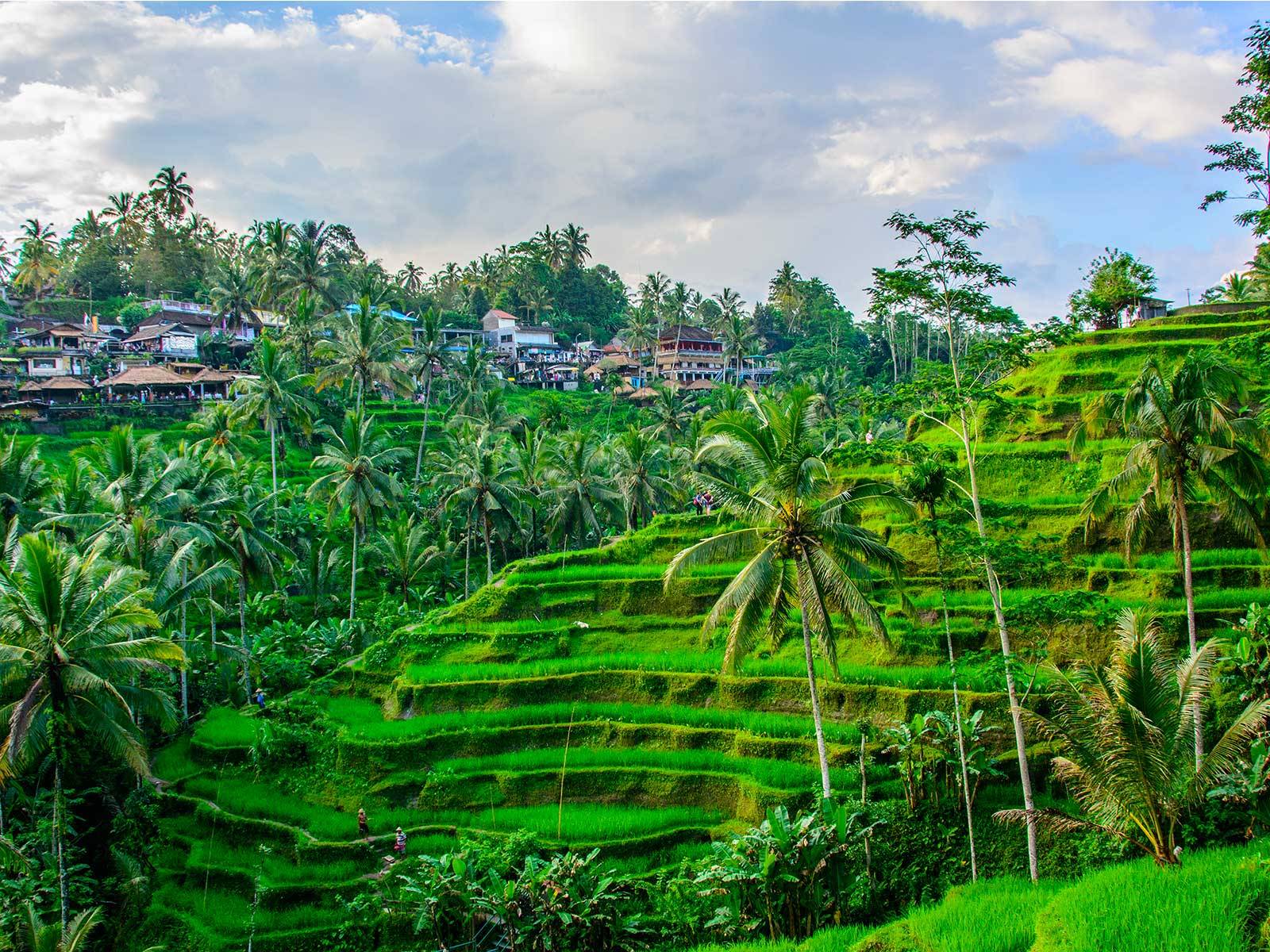
To truly understand Bali is to appreciate its deep spiritual roots. As you explore the island, from the rice terraces near Ubud to the serene beaches of Amed, remember that you are a guest in a living, breathing culture. Embrace the opportunity to learn, observe, and participate respectfully.
Whether you're witnessing a purification ceremony at a water temple or simply navigating around a small offering on the street, your awareness and respect contribute to a positive cultural exchange. Balinese Hinduism is not just a religion; it's a way of life that offers profound lessons in harmony, gratitude, and balance.