
The Sacred Monkey Forest Sanctuary Ubud: Visitor's Guide
Nestled in the heart of Bali's cultural hub, the Sacred Monkey Forest Sanctuary in Ubud offers a unique blend of natural beauty, spiritual significance, and captivating wildlife encounters. This renowned conservation area is home to hundreds of playful long-tailed macaques, ancient temples, and lush tropical flora, promising an unforgettable experience for every visitor.
An Overview of the Sacred Monkey Forest
More than just a tourist attraction, the Sacred Monkey Forest Sanctuary (also known as Mandala Wisata Wenara Wana) serves a vital role in the spiritual and ecological life of Ubud. It operates under the philosophy ofTri Hita Karana, promoting harmony between humans, nature, and the divine. The sanctuary is meticulously managed to conserve its natural environment and the Balinese long-tailed macaques that reside within it, while also providing a sacred space for Hindu worship.
Walking through the forest, you'll discover a vibrant ecosystem where towering banyan trees with their sprawling roots create an ethereal canopy, and ancient moss-covered statues stand as silent guardians. The air is filled with the chirping of birds, the rustling of leaves, and the occasional playful chatter of the macaques, making it a truly immersive natural experience.
Planning Your Visit to the Sanctuary
Location and How to Get There
The Sacred Monkey Forest Sanctuary is conveniently located at the southern end of Jalan Monkey Forest in Ubud. Its central position makes it easily accessible from various parts of Bali. If you're staying in Ubud, it's often a pleasant walk from many guesthouses and hotels. From further afield locations like Seminyak,Canggu, or Jimbaran Bay, you can arrange transport via taxi, ride-hailing apps, or a rented scooter.
Best Time to Visit
To enjoy the sanctuary with fewer crowds and observe the monkeys during their most active periods, consider visiting in the morning, shortly after opening, or later in the afternoon. The cooler temperatures during these times also make for a more comfortable stroll through the forest. Midday can be quite busy and warm, especially during peak tourist seasons.
Opening Hours and Entrance
The sanctuary is generally open daily, including public holidays. It's advisable to check their official website for the most current operating hours before your visit. Tickets are purchased at the entrance, and the funds contribute directly to the sanctuary's conservation efforts and maintenance.
What to Expect Inside the Sanctuary
The Macaques: Bali's Playful Residents
The stars of the show are undoubtedly the hundreds of Balinese long-tailed macaques (Macaca fascicularis). These intelligent and social creatures are accustomed to human presence, often going about their daily lives of grooming, playing, and foraging seemingly unfazed by visitors. There are several distinct groups of monkeys living within the forest, each with its own territory and social hierarchy.
While the monkeys are undeniably cute and fascinating to watch, it's crucial to remember that they are wild animals. They can be curious and opportunistic, especially if they associate humans with food. Visitors are strongly advised not to feed the monkeys and to keep a respectful distance.
Expert Tip:"Maintain a calm demeanor and avoid direct eye contact, which can be interpreted as a challenge by the macaques. Keep all belongings, especially food and water bottles, securely tucked away to prevent opportunistic snatching."
Sacred Temples and Spiritual Significance
Beyond the playful monkeys, the sanctuary is home to three important Hindu temples, which are integral to the local community's spiritual life. These temples, Pura Dalem Agung Padangtegal, Pura Beji, and Pura Prajapati, are beautifully integrated into the natural landscape. While visitors are generally not permitted to enter the inner sanctums of the temples (unless for religious ceremonies and dressed appropriately), their ancient architecture and serene surroundings add a profound spiritual dimension to the forest.
The forest itself is considered sacred, with ancient banyan trees believed to house spirits and offer protection. The vibrant spiritual energy is palpable, creating a tranquil and contemplative atmosphere away from the bustling streets of Ubud.
Lush Environment and Pathways
The sanctuary boasts a rich biodiversity, with over 115 species of trees, many of which are considered sacred and used in Balinese spiritual practices. Well-maintained stone pathways wind through the dense forest, over small bridges crossing a ravine, and past mystical statues covered in moss. The natural beauty of the forest, with its giant banyan trees and tranquil streams, offers endless opportunities for stunning photography and a peaceful escape.
Rules and Etiquette for Visitors
To ensure a safe and enjoyable visit for both humans and monkeys, the sanctuary has established a set of guidelines:
Do's:
- Observe from a distance:Enjoy watching the monkeys' natural behavior without disturbing them.
- Keep calm:Move slowly and avoid sudden movements or loud noises.
- Secure your belongings:Keep bags zipped, and cameras, phones, and glasses firmly in hand or secured.
- Follow staff instructions:The sanctuary staff are there to help and ensure safety.
Don'ts:
- Do not feed the monkeys:This can make them aggressive and dependent on humans, disrupting their natural foraging behavior.
- Do not bring plastic bags:Monkeys often associate these with food and may try to snatch them.
- Do not make direct eye contact:This can be perceived as a challenge.
- Do not touch the monkeys:While they may approach, touching is discouraged for your safety and theirs.
- Do not litter:Help keep the sanctuary clean and pristine.
Tips for a Smooth and Memorable Visit
- Wear comfortable shoes:You'll be doing a fair amount of walking on uneven paths.
- Dress modestly:While not strictly required like at some temples (e.g.,Tirta Empul Temple or Besakih Temple), it shows respect for the sacred site.
- Bring a camera:The photo opportunities are abundant, from the playful monkeys to the mystical forest scenery.
- Stay hydrated:Especially if visiting during warmer parts of the day.
- Consider hiring a local guide:While not essential, a guide can offer deeper insights into the sanctuary's ecology, culture, and the monkeys' behavior.
Beyond the Forest: Exploring More of Ubud
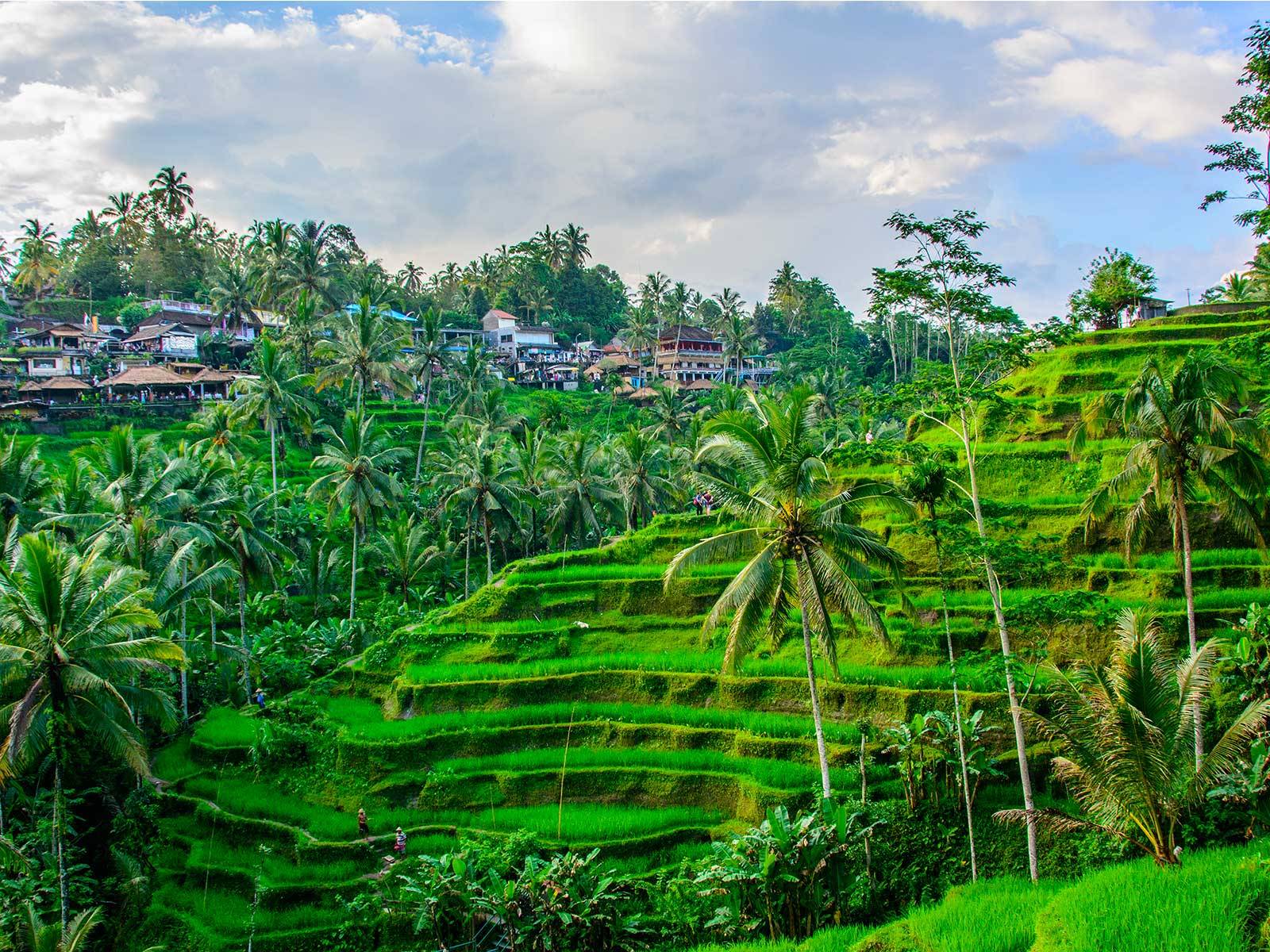
Your visit to the Sacred Monkey Forest Sanctuary is just one highlight of what Ubud has to offer. After exploring the forest, you might consider wandering through the bustling Ubud Market for souvenirs, visiting art galleries, or enjoying a traditional Balinese meal. For more natural beauty, a short drive can take you to the stunning Tegallalang Rice Terraces, offering panoramic views of verdant rice paddies.
Conclusion
The Sacred Monkey Forest Sanctuary in Ubud truly offers an unparalleled experience, blending wildlife observation with cultural immersion in a breathtaking natural setting. By approaching your visit with respect for both the animals and the sacred environment, you're sure to create lasting memories of this unique Balinese gem. It's an essential stop for anyone exploring the heart of Bali.