
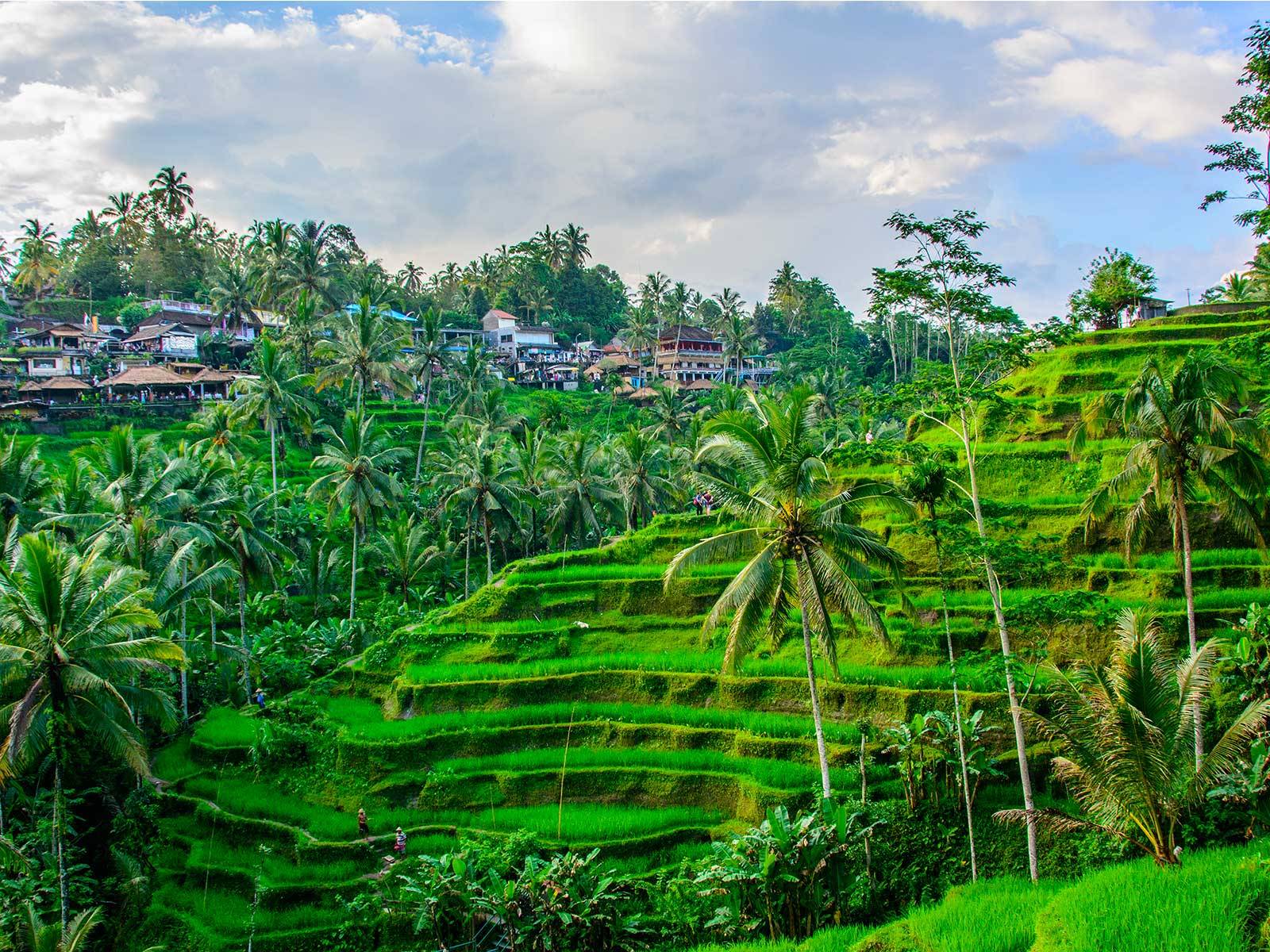
Temples of Bali: A Spiritual Journey Through Sacred Sites
Bali, often called the "Island of the Gods," is renowned not just for its stunning beaches and vibrant culture, but also for its profound spiritual heart. Scattered across its lush landscapes are thousands of temples, each a unique testament to the Balinese Hindu faith and an invitation to a deeper understanding of the island's soul.
Embarking on a journey through Bali's temples offers more than just sightseeing; it's an immersive experience into the island's spiritual essence, where ancient rituals blend seamlessly with daily life. These sacred sites provide a window into the Balinese concept ofTri Hita Karana– harmony between humans, nature, and the divine.
The Significance of Balinese Temples
For the Balinese, temples (orpura) are not merely buildings; they are living spaces where the divine and earthly realms converge. Every village, every family compound, and every significant natural feature like mountains and lakes has its own temple. They serve as centers for religious ceremonies, community gatherings, and personal prayer, embodying the island's intricate spiritual ecosystem.
The architecture of Balinese temples is deeply symbolic, typically featuring multiple courtyards, ornate gates (candi bentarandkori agung), and multi-tiered shrines (meru) representing sacred mountains. Visitors are often captivated by the intricate carvings, vibrant offerings, and the pervasive scent of incense that fills the air.
Iconic Temples Not To Be Missed
Coastal Sanctuaries: Sea Temples
Clinging to dramatic cliffs or perched on rocky outcrops, Bali's sea temples (Pura Segara) are among its most photographed and revered sites. They are dedicated to the sea spirits and protectors of the island.
- Tanah Lot:Perhaps the most iconic of Bali's temples,Tanah Lot is a Hindu shrine perched on a rock formation in the sea, constantly battered by waves. Best visited at sunset, its silhouette against the fiery sky creates a truly unforgettable spectacle. The temple itself is only accessible during low tide.
- Uluwatu Temple:Dramatically situated atop a 70-meter high cliff overlooking the Indian Ocean,Uluwatu Temple offers breathtaking panoramic views, especially at dusk. It is one of the island's six key spiritual pillars. The temple grounds are also home to mischievous monkeys, and visitors can enjoy the famous Kecak fire dance performance held nightly at a nearby amphitheater.
Sacred Springs and Lakes: Water Temples
Water plays a crucial role in Balinese spiritual life, symbolizing purity and life. Many temples are built around natural springs or lakes, where purification rituals are regularly performed.
- Tirta Empul Temple:Located near Ubud,Tirta Empul Temple is famous for its holy spring water, where Balinese Hindus go for ritual purification (melukat). Visitors are welcome to participate respectfully in the purification ritual, which involves entering the main bathing pools and cleansing themselves under a series of water spouts.
- Pura Ulun Danu Beratan:This stunning temple complex is situated on the shores of Lake Bratan in the central highlands. Dedicated to Dewi Danu, the goddess of lakes and rivers, its multi-tiered shrines appear to float serenely on the water, especially when the lake levels are high. The cool mountain air and beautiful gardens make it a tranquil escape.
Majestic Peaks: Mountain Temples
Mountains are considered sacred abodes of the gods in Bali, making mountain temples sites of immense spiritual power.
- Besakih Temple:Known as the "Mother Temple of Bali,"Besakih Temple is the largest and holiest temple complex on the island. Perched high on the southwestern slopes of Mount Agung, Bali's highest volcano, it comprises over 86 temples and shrines. Its sprawling layout and breathtaking mountain backdrop offer a profound spiritual experience.
- Lempuyang Luhur Temple:Located in East Bali,Lempuyang Luhur Temple is one of Bali's oldest and most revered temples. Famous for its "Gates of Heaven," which perfectly frame Mount Agung in the distance, it has become a popular spot for iconic photographs. The journey to the main temple at the summit involves climbing over 1,700 steps, a true pilgrimage.
Ancient Wonders and Hidden Gems
- Goa Gajah (Elephant Cave):Near Ubud, Goa Gajah is a significant archaeological site featuring a mysterious cave entrance carved to resemble a demonic mouth. Inside, visitors will find ancient Hindu and Buddhist relics, including a statue of Ganesha.
- Gunung Kawi:Tucked away in a lush river valley, Gunung Kawi features massive ancient shrine reliefs carved directly into the face of a rock cliff. These impressive monuments are believed to be royal tombs from the 11th century. The walk down through rice paddies to reach the site is part of its charm.
- Saraswati Temple:Located in the heart of Ubud, this temple is dedicated to the Hindu goddess of knowledge, literature, and art. It is famous for its beautiful lotus pond filled with blooming flowers, providing a stunning backdrop for traditional Balinese dance performances held in the evenings.
Temple Etiquette: Visiting with Respect
To ensure a respectful and enriching experience, it's important to observe Balinese temple etiquette:
- Dress Code:Always wear appropriate attire. This typically means a sarong (kain) and a sash (selendang) around your waist, covering your legs and shoulders. These are often available for rent or provided at temple entrances.
- Respectful Conduct:Be mindful of ongoing ceremonies and avoid disturbing worshippers. Speak softly, turn off your phone, and never point your feet directly at shrines or people.
- No Entry During Menstruation:Women who are menstruating are traditionally asked not to enter temples as they are considered ritually impure.
- Offerings:You will see small offerings (canang sari) everywhere. Do not step on them.
- Photography:Be respectful when taking photos. Always ask permission before photographing people, especially during ceremonies.
Tip:Many temples, especially the more popular ones, are best visited early in the morning to avoid crowds and the midday heat. Sunset visits offer a magical ambiance at coastal temples like Tanah Lot and Uluwatu Temple.
Planning Your Spiritual Journey
Exploring Bali's temples can be easily integrated into any itinerary. Consider grouping temples by region to optimize your travel time:
- Southern Bali:Combine Uluwatu Temple with beach time in Jimbaran Bay or Kuta Beach.
- Central Bali:Explore Ubud's cultural heart, visiting Tirta Empul, Goa Gajah, and the Saraswati Temple, perhaps combining it with a trip to the Tegallalang Rice Terraces or the Ubud Monkey Forest.
- Eastern Bali:Venture to Besakih Temple and Lempuyang Luhur Temple, perhaps linking this with a visit to coastal towns like Amed.
- Northern Bali:Head north to Ulun Danu Beratan and explore the cooler mountain regions, possibly including waterfalls like Gitgit Waterfall or Sekumpul Waterfall.
Whether you choose to hire a private driver, join an organized tour, or rent a scooter for independent exploration (if experienced), allow ample time at each site to soak in the atmosphere and appreciate the intricate details. The temples are more than just tourist attractions; they are integral to the daily life and spiritual fabric of Bali.
Conclusion
A journey through the temples of Bali is a profound experience, offering a unique glimpse into the island's rich spiritual heritage. From the dramatic sea temples guarding its shores to the serene water temples reflecting the sky and the majestic mountain sanctuaries reaching for the heavens, each site tells a story of devotion, artistry, and a harmonious way of life. Embrace the reverence, soak in the beauty, and let the sacred sites of Bali guide you on an unforgettable spiritual adventure.