
Is Bali Safe to Visit? Essential Safety Tips for Travelers
Bali, the "Island of the Gods," captivates millions with its stunning landscapes, vibrant culture, and spiritual charm. While generally a safe destination, like any popular travel spot, understanding potential risks and how to navigate them is key to a worry-free adventure.
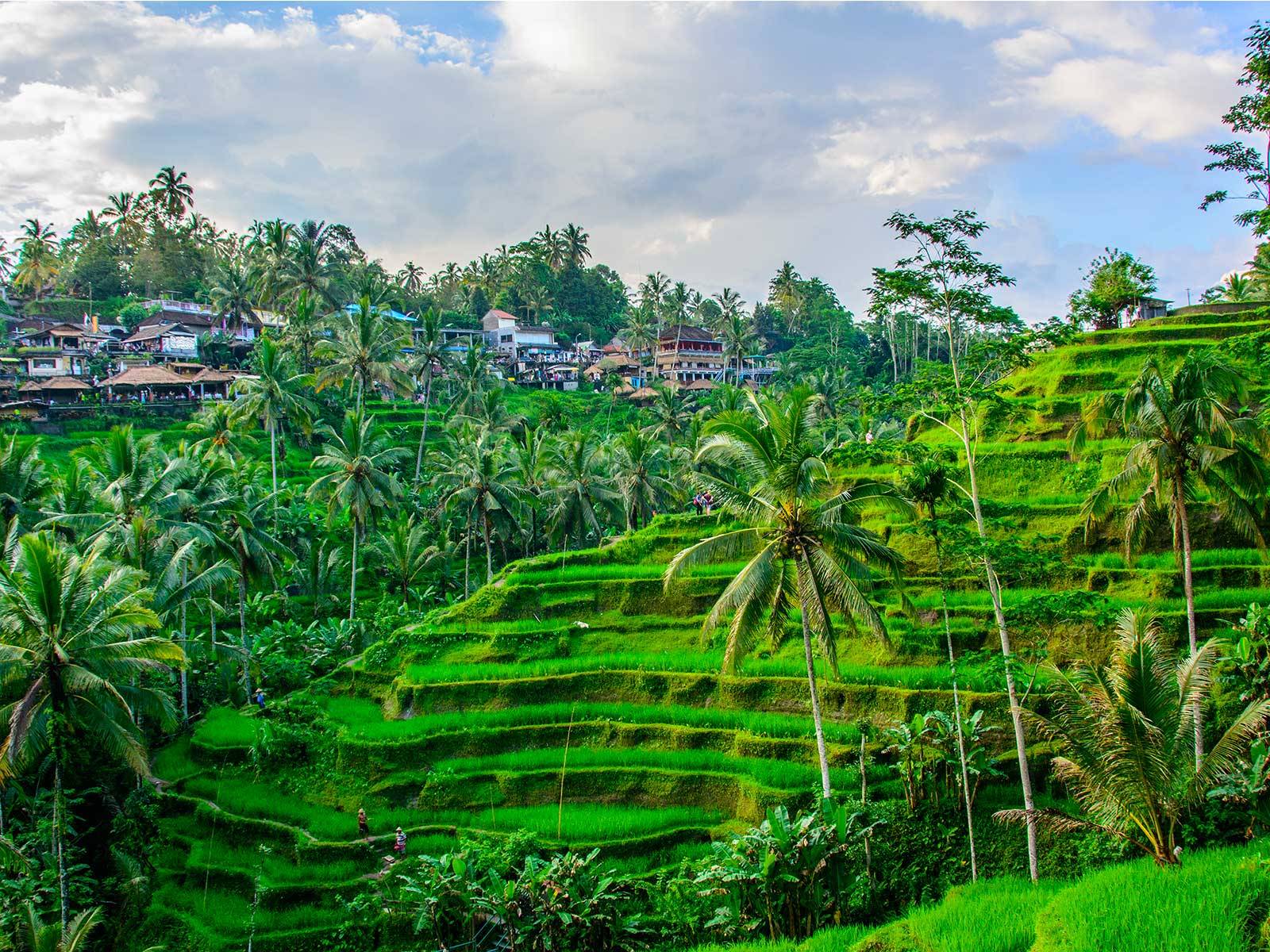
Most travelers experience Bali without incident, enjoying its beautiful beaches, ancient temples, and lush rice paddies. However, a mindful approach to your surroundings and adherence to local customs will significantly enhance your safety and overall experience.
Understanding General Safety in Bali
Bali maintains a low violent crime rate, making it a generally peaceful place for tourists. The primary concerns for visitors usually revolve around petty theft, road accidents, and health-related issues, which are common in many developing tourist destinations. Balinese people are renowned for their hospitality and warmth, contributing to a welcoming atmosphere.
Petty Crime: Stay Vigilant
Pickpocketing and bag snatching are the most common forms of crime targeting tourists, particularly in crowded areas or at night. Hotspots include busy markets like Ubud Market, popular beaches such as Kuta Beach, and bustling nightlife districts in Seminyak and Canggu.
- Secure your belongings:Use cross-body bags or backpacks worn on the front. Avoid carrying large amounts of cash or expensive jewelry.
- Be aware of your surroundings:Especially when using your phone or walking alone at night.
- Motorbike snatchers:Be extra cautious of bags hanging loosely from shoulders while walking, as thieves on motorbikes can snatch them.
Road Safety: Navigating Bali's Traffic
Bali's roads can be chaotic, with heavy traffic and aggressive driving styles. Scooters are a popular mode of transport, but they also contribute to a high rate of accidents involving tourists.
- Renting a scooter:If you choose to rent one, ensure you have an international driving permit, wear a helmet (it’s legally required and crucial for safety), and are confident riding in busy traffic. Check the scooter's condition before renting.
- Taxis and ride-hailing apps:For safer transport, use reputable taxi services like Bluebird or ride-hailing apps such as Gojek or Grab. Always confirm the fare before starting your journey.
- Walking:Sidewalks can be uneven or non-existent in many areas. Walk defensively and be aware of traffic, even when on foot.
Did you know?In Bali, traffic drives on the left-hand side of the road, similar to the UK or Australia. This can be a significant adjustment for drivers from countries where traffic drives on the right.
Water Safety: Beaches and Beyond
Bali is famous for its beaches, but water conditions can vary. Rip currents are common, especially on surf beaches like Kuta Beach.
- Swimming:Always swim in designated areas and pay attention to flag warnings. Red flags mean dangerous conditions and no swimming.
- Surfing:If you're new to surfing, take lessons from a certified instructor. Understand local conditions and respect the ocean.
- Boat trips:When taking excursions to islands like Nusa Penida or Nusa Lembongan, choose reputable tour operators with good safety records and life jackets.
- Waterfalls:Be cautious when exploring waterfalls like Sekumpul Waterfall or Gitgit Waterfall. Paths can be slippery, and currents near the falls can be strong.
Food and Drink Safety: Avoiding "Bali Belly"
Traveler's diarrhea, commonly known as "Bali Belly," can affect visitors. While delicious, street food and local eateries require a bit of discernment.
- Drink bottled water:Tap water is generally not safe to drink. Ensure ice in drinks is made from purified water.
- Eat at reputable places:Look for restaurants with good reviews and high customer turnover. Food stalls that cook food fresh in front of you are often safer options.
- Wash hands frequently:Especially before eating.
- Be cautious with Arak:This local alcoholic spirit can be dangerous if not sourced from a reputable vendor, as poorly produced batches have led to methanol poisoning. Stick to sealed, known brands or avoid it.
Animal Encounters: Monkeys and Stray Dogs
Bali is home to various animals, and interactions can be part of the experience, but caution is advised.
- Monkeys:Famous at sites like Ubud Monkey Forest or Uluwatu Temple, monkeys are wild animals. They can be aggressive, especially if they see food or shiny objects. Do not tease them, keep a safe distance, and secure your belongings.
- Stray dogs:Many stray dogs roam the streets. While most are docile, avoid petting them or approaching them, especially if they seem unwell or aggressive. Rabies is present in Bali.
Health and Medical: Stay Prepared
Ensuring your health is paramount. While medical facilities are available, comprehensive travel insurance is highly recommended.
- Mosquito-borne diseases:Dengue fever is prevalent. Use insect repellent, especially at dawn and dusk, and wear long sleeves and pants in forested areas or near rice paddies like the Tegallalang Rice Terraces Ubud.
- Sun protection:The tropical sun is intense. Use high-SPF sunscreen, wear hats, and stay hydrated.
- Travel insurance:This is non-negotiable. It covers medical emergencies, evacuations, and unforeseen circumstances like trip cancellations or lost luggage.
- Pharmacies and clinics:Reputable pharmacies are widespread, especially in tourist areas. For serious emergencies, head to a well-regarded international clinic or hospital.
Cultural Sensitivity and Local Laws
Respecting Balinese culture and laws is not only polite but also ensures a smoother, safer trip.
- Dress appropriately:When visiting temples like Tirta Empul Temple,Tanah Lot, or Besakih Temple, dress modestly, covering shoulders and knees. Sarongs are often available for rent or purchase at temple entrances.
- Drugs:Indonesia has extremely strict drug laws, including the death penalty for drug trafficking. Do not engage with or carry any illicit substances.
- Scams:Be wary of overly friendly strangers offering unsolicited tours or services, especially around major attractions. Money changers can also be a source of scams; use reputable, authorized money exchange offices.
Specific Area Considerations
While general tips apply everywhere, some areas have unique considerations:
- Southern Bali (Kuta, Seminyak, Canggu):These bustling areas have higher concentrations of tourists, leading to more petty crime and traffic congestion. Nightlife also requires increased awareness.
- Ubud:Generally very safe and relaxed, but the Ubud Monkey Forest requires vigilance with monkeys.
- Northern Bali (Lovina, Amed):These quieter regions like Lovina and Amed offer a more serene experience, with fewer crowds and generally less petty crime. However, medical facilities might be further away.
- Volcanic areas:Hiking Mount Batur is popular. Ensure you go with a licensed guide and are aware of the physical demands and any current volcanic activity warnings.
Essential Safety Tips for Every Traveler
- Trust your instincts:If a situation or person feels off, remove yourself.
- Stay connected:Inform family or friends of your itinerary. Keep your phone charged.
- Emergency contacts:Save local emergency numbers (Police: 110, Ambulance: 118, Fire: 113) and your embassy/consulate details.
- Stay hydrated:The tropical climate can lead to dehydration quickly.
- Be respectful:A polite and respectful demeanor goes a long way in Bali.
Bali is a truly magical destination, and with a few sensible precautions, you can ensure your trip is not only memorable but also safe and enjoyable. Embrace the culture, savor the beauty, and travel wisely!