
Essential Balinese Phrases for Travelers: Speak Like a Local
Immerse yourself truly in the magic of Bali by connecting with its warm-hearted people on a deeper level. Learning a few essential Balinese and Indonesian phrases can transform your travel experience, opening doors to authentic interactions and genuine smiles. It’s a simple gesture that shows respect and appreciation for the local culture, making your journey even more memorable.
Why Speak a Little Balinese or Indonesian?
While English is widely spoken in Bali's major tourist hubs like Seminyak and Canggu, venturing beyond these areas, or even within them, a few local phrases go a long way. Bali's primary language isBahasa Indonesia, the national language of Indonesia. Balinese (Basa Bali) is the traditional local language, spoken by Balinese people amongst themselves. Many phrases, especially greetings and common courtesies, are similar or identical, making it easy to learn a few useful terms.
Fun Fact:While Bahasa Indonesia is the official language, Balinese culture is deeply rooted inBasa Bali. Balinese people often switch between the two depending on the context and who they are speaking with. Learning even a few words from either shows great respect.
Locals genuinely appreciate the effort. A simple "thank you" in their language can elicit a broader smile and a more genuine connection, enhancing your experiences from bargaining at Ubud Market to ordering food at a localwarung.
Basic Greetings & Courtesies
Mastering these fundamental phrases is your first step towards speaking like a local. Politeness is paramount in Balinese culture, so always greet with a smile and a respectful tone.
- Hello / Good morning / Good day:Om Swastiastu(Balinese, a common greeting that translates to "May peace be with you")
- Hello (general):Halo(Indonesian, informal)
- Good morning:Selamat pagi(Indonesian)
- Good afternoon:Selamat siang(Indonesian)
- Good evening:Selamat sore(Indonesian)
- Good night:Selamat malam(Indonesian)
- Thank you:Terima kasih(Indonesian)
- You're welcome:Sama-sama(Indonesian)
- Please:Tolong(Indonesian, for requesting help) /Silakan(Indonesian, for offering something)
- Excuse me / Sorry:Permisi(Indonesian, to get attention or pass by) /Maaf(Indonesian, to apologize)
- Yes:Ya(Indonesian)
- No:Tidak(Indonesian)
- My name is...:Nama saya...(Indonesian)
- What is your name?:Siapa nama Anda?(Indonesian, formal) /Siapa nama kamu?(Indonesian, informal)
Pro Tip:When addressing someone, especially an elder or someone in a service role, it's polite to add a title.Pak(for men) andBu(for women) are formal.Mas(for young men) andMbak(for young women) are more informal but still respectful. For example, "Thank you, sir" would beTerima kasih, Pak.
Getting Around Bali
Navigating Bali, whether you're exploring the spiritual heartland near Ubud Market or heading to the serene beaches of Lovina, becomes easier with these phrases.
- Where is...?Di mana...?
- I want to go to...:Saya mau ke...
- Go straight:Jalan terus
- Turn left:Belok kiri
- Turn right:Belok kanan
- Stop here:Berhenti di sini
- How much?:Berapa?(For general quantity or cost)
- Can you take me to...?Bisa antar saya ke...?(e.g.,Bisa antar saya ke Uluwatu Temple?)
Shopping and Dining Essentials
From haggling good-naturedly at local markets to ordering delicious Indonesian food, these phrases will enhance your experiences in places like Seminyak's boutiques or Jimbaran Bay's seafood restaurants.
- How much is this?:Berapa ini?
- Too expensive:Terlalu mahal
- Can I get a discount?:Bisa kurang harga?(Literally "Can reduce price?")
- Delicious:Enak sekali(Very delicious)
- I want...:Saya mau...
- No spicy:Tidak pedas
- Water:Air
- Coffee:Kopi
- Tea:Teh
- Check, please:Minta bon(Literally "ask for bill")
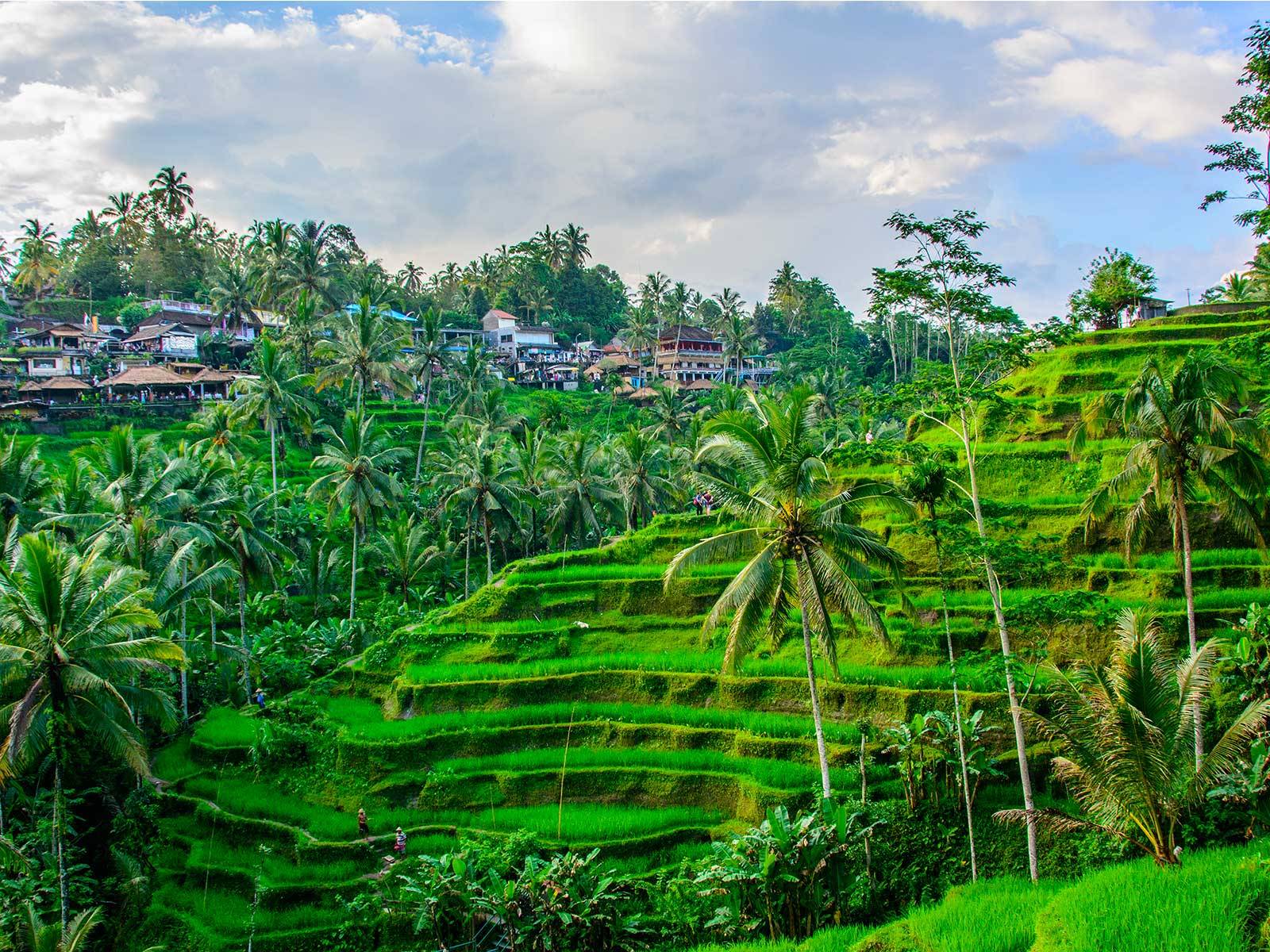
Cultural Tip:Bargaining is common in traditional markets like those near Tegallalang Rice Terraces Ubud, but it's less expected in modern shops. Always keep a friendly smile and be respectful.
Emergencies and Asking for Help
While we hope you won't need these, knowing how to ask for help is crucial for any traveler.
- Help!:Tolong!
- I need a doctor:Saya perlu dokter
- Hospital:Rumah sakit
- Police:Polisi
- I am lost:Saya tersesat
General Conversation & Making Friends
Connecting with locals, whether it's a guide at Besakih Temple or a surfer at Kuta Beach, becomes more meaningful when you can exchange a few words.
- How are you?:Apa kabar?
- I'm fine:Baik-baik saja
- Where are you from?:Dari mana?
- I am from...:Saya dari...
- I don't understand:Saya tidak mengerti
- Can you speak English?:Bisa bicara Bahasa Inggris?
- Have a good day:Semoga hari Anda menyenangkan
- See you later:Sampai jumpa lagi
Cultural Nuances and Deeper Connections
Beyond words, understanding a bit of Balinese etiquette will further enrich your interactions.
- Smile Often:A warm smile is a universal language and is highly valued in Balinese culture.
- Use Your Right Hand:Always give and receive items, especially money or food, with your right hand as the left is considered unclean.
- Respectful Attire:When visiting temples like Tirta Empul Temple or Tanah Lot, ensure your shoulders and knees are covered. Sarongs are often provided or available for rent.
- Balinese Hindu Blessings:You'll often hearOm Shanti Shanti Shanti Omas a closing, meaning "May peace be with you."
Fun Fact:Many Balinese people share common names like Wayan, Made, Nyoman, and Ketut. These are not surnames but rather indicate birth order (first, second, third, fourth child). If there's a fifth child, the naming cycle often repeats! This tradition is a unique aspect of Balinese culture.
Embrace the Local Lingo
Learning even a handful of Balinese and Indonesian phrases is a powerful way to enhance your travel experience. It fosters genuine connections, shows respect, and can even lead to unique opportunities and insights you wouldn't otherwise encounter. Don't be afraid to try; locals appreciate the effort, and a little linguistic courage will go a long way in making your Bali adventure truly unforgettable. So, go ahead, practice your "Terima kasih" and "Om Swastiastu," and get ready to speak like a local on the Island of the Gods!