
Best Time to Visit Bali: A Month-by-Month Guide for Your Perfect Trip
Bali, the "Island of the Gods," captivates millions with its vibrant culture, stunning landscapes, and serene spiritual vibe. To truly unlock its magic and tailor your adventure, understanding the best time to visit is crucial for an unforgettable experience. This comprehensive guide breaks down Bali's weather and activities month-by-month, helping you plan your perfect Balinese escape.
Understanding Bali's Seasons
Bali experiences two distinct seasons: the dry season and the wet season. The dry season, generally from April to October, brings sunny skies, lower humidity, and cooler evenings, ideal for beach activities and outdoor adventures. The wet season, from November to March, is characterized by higher humidity and sporadic heavy rainfall, usually in short bursts, which transforms the island into a lush, green paradise.
The Dry Season: Sun-Kissed Adventures (April - October)
Considered by many to be the prime time to visit, the dry season offers consistent sunshine and pleasant temperatures, perfect for exploring all that Bali has to offer.
April: The Transition to Sunshine
April marks the pleasant transition from the wet to the dry season. The air is warm, humidity is lower, and the occasional shower gives way to long stretches of sunshine. It's a great month for surfing and enjoying the beaches before the peak crowds arrive. Explore cultural sites like Ubud Market or the serene Tirta Empul Temple with fewer tourists.
May: Ideal Weather and Good Value
Often hailed as one of the best months to visit, May boasts near-perfect weather. Expect pleasant temperatures, low humidity, and abundant sunshine. It’s an ideal time for relaxing on Jimbaran Bay, exploring the artistic hub of Ubud, or enjoying watersports, all before the busiest period truly kicks in.
June: Peak Season Begins
The dry season is in full swing, offering excellent weather for all types of activities. From catching waves at Canggu to hiking Mount Batur for a breathtaking sunrise, conditions are superb. Expect to see more tourists as summer holidays begin, bringing a lively atmosphere.
July: The Heart of Peak Season
July is characterized by glorious weather, consistently sunny days, and minimal rain. This is a fantastic time for beach lovers and water sports enthusiasts, but popular areas like Seminyak and Kuta Beach will be bustling. Book accommodations and popular tours well in advance.
August: Lively and Bustling
August continues the peak season trend with superb weather. The island is at its liveliest, with many festivals and events adding to the vibrant atmosphere. It's an excellent time to visit iconic landmarks such as Uluwatu Temple or catch a spectacular sunset at Tanah Lot. Be prepared for crowds at major attractions.
September: Still Stunning, Fewer Crowds
The weather remains fantastic in September, with sunny days and slightly fewer crowds than July and August. Conditions are still excellent for diving in Amed, exploring the dramatic cliffs of Nusa Penida, or enjoying tranquil moments on Nusa Lembongan. It’s a great shoulder-season sweet spot.
October: A Gentle Wind-Down
As the dry season begins to wind down, October still offers plenty of warm, sunny days, though humidity starts to rise. It's a great month for diving and snorkeling, especially around Lovina, and for enjoying quieter beaches before the full onset of the wet season.
The Wet Season: Lush Landscapes and Cultural Charm (November - March)
Don't dismiss Bali's wet season! While it brings rain, it also transforms the island into a verdant paradise, offering a different, often more serene, experience.
November: The Green Awakening
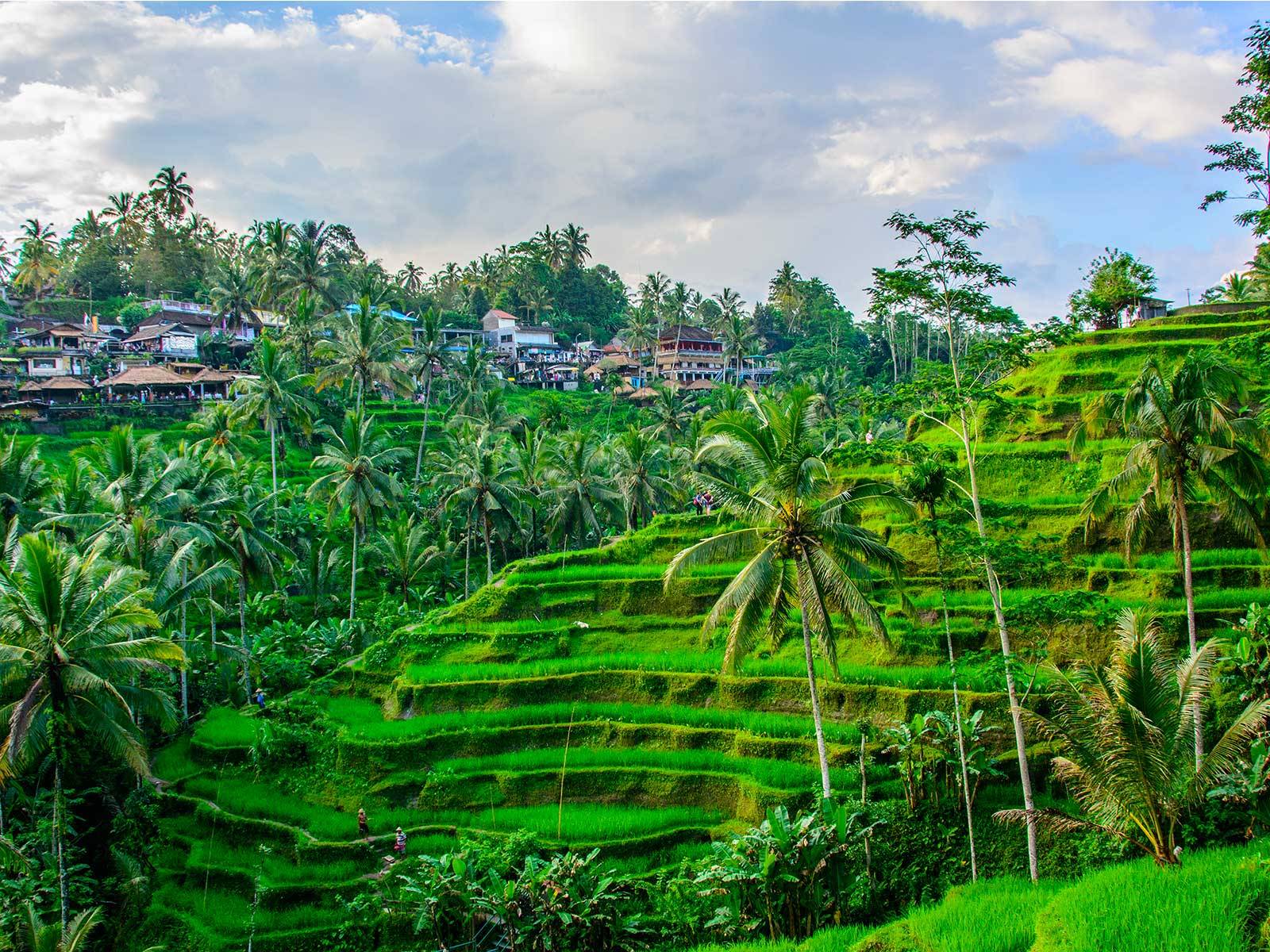
The wet season officially begins in November, but rainfall is typically short and intense, often followed by sunshine. The landscape becomes incredibly lush and green, perfect for visiting the iconic Tegallalang Rice Terraces Ubud or chasing the powerful flow of Sekumpul Waterfall.
December: Festive Rains
Despite being part of the wet season, December sees a surge in visitors due to holiday periods. Expect higher humidity and regular showers, but plenty of sunshine too. Popular spots remain busy, especially around Christmas and New Year. Consider embracing the rain with indoor activities like cooking classes or spa treatments.
January: The Wettest Month, Peaceful Retreats
January is generally the wettest month. While consistent heavy rain can occur, it often comes in bursts, leaving ample time for exploration. This is an ideal time for cultural immersion, spa treatments, and enjoying the island's quieter side. Seek out serene moments at temples like Besakih Temple.
February: Verdant Beauty
Similar to January, February brings significant rainfall and high humidity. However, the island's natural beauty is at its peak. It's a great time for photography, enjoying indoor activities, and exploring less-visited temples or enjoying the tranquility of the Ubud Monkey Forest.
March: End of the Rains, Nyepi's Silence
The wet season draws to a close in March. Rainfall decreases, and temperatures remain warm. This month is significant for Nyepi (Silent Day), a unique cultural experience where the entire island observes a day of silence and reflection. It's also a great time to see the lush landscapes before they begin to dry out, making waterfalls like Gitgit Waterfall particularly impressive.
Key Considerations for Your Bali Trip
Crowds and Atmosphere
- Peak Season (June to August, plus December holidays):Expect larger crowds, vibrant nightlife, and a bustling atmosphere. Popular tourist spots and prime locations will be busy.
- Shoulder Seasons (April-May, September-October):Offer a sweet spot with excellent weather and fewer tourists, providing a more relaxed experience.
- Low Season (November-March, excluding December holidays):You'll find the fewest crowds, giving you a chance to experience a more authentic Bali and enjoy attractions with greater tranquility.
Activities
- Surfing:The dry season (April-October) is generally best for the west coast breaks (e.g.,Canggu,Kuta Beach), while the wet season (November-March) often favors the east coast.
- Diving and Snorkeling:Conditions are generally good year-round, but visibility can be affected by heavy rains in the wet season. The shoulder months (April-May, September-October) often provide excellent visibility and calmer waters, especially around Amed and the Nusa Islands.
- Hiking and Trekking:The dry season offers clearer trails for hikes up Mount Batur or explorations of waterfalls. However, the wet season transforms the landscape into a stunning emerald green, making for beautiful, albeit potentially muddier, treks.
- Cultural Experiences:Temples and cultural sites, such as Lempuyang Luhur Temple or Garuda Wisnu Kencana, can be visited year-round. The wet season often offers a quieter, more reflective atmosphere.
Did you know?Bali is unique in Indonesia for its dominant Hindu culture, which profoundly influences its calendar, marked by numerous ceremonies and festivals throughout the year. These events are often linked to lunar cycles, so their dates vary annually.
Conclusion: When is Your Perfect Bali Time?
Ultimately, there's no single "best" time to visit Bali; it truly depends on your priorities. If sun-drenched beaches, bustling nightlife, and clear skies for outdoor adventures are your top priority, the dry season from April to October is ideal. If you prefer lush green landscapes, fewer crowds, a more spiritual retreat, and don't mind occasional rain, the wet season from November to March offers a unique charm. No matter when you choose to go, Bali's enchanting beauty and warm hospitality await.