
Balinese Culture and Customs: Respectful Travel Guide
Bali, often dubbed the "Island of the Gods," captivates visitors with its stunning landscapes and vibrant spiritual essence. To truly appreciate its beauty and unique charm, understanding and respecting Balinese culture and customs is paramount for any traveler.
Understanding Balinese Hinduism: Agama Tirta
The heart of Balinese life beats to the rhythm of Agama Tirta, or "Religion of Holy Water," a unique form of Hinduism deeply intertwined with animism and ancestor worship. This spiritual foundation permeates every aspect of daily life, from intricate temple ceremonies to the simplest morning offerings. You'll notice this devotion everywhere, from the fragrantcanang sariofferings on sidewalks to the elaborate decorations adorning village temples.
Temple Etiquette: Sacred Spaces, Sacred Rules
Temples are the focal points of Balinese spiritual life, and visiting them requires a deep sense of respect and adherence to specific customs. Whether you're exploring the majestic cliffside views of Uluwatu Temple, the iconic sea temple of Tanah Lot, or the holy spring at Tirta Empul Temple, remember these guidelines:
- Dress Code:Always wear a sarong (kain) and a sash (selendang) around your waist. These are often available for rent at temple entrances. Shoulders and upper arms should also be covered.
- Modesty:Avoid overly revealing clothing even under your sarong.
- Behavior:Speak softly, walk respectfully, and avoid pointing with your feet or fingers at priests or sacred objects. Do not sit higher than a priest.
- Offerings:Never step on offerings (canang sari) and do not touch them unless invited to.
- Photography:Ask for permission before taking photos of people, especially during ceremonies. Be discreet and avoid using flash during rituals.
- Restricted Access:Menstruating women are traditionally forbidden from entering temples or participating in ceremonies, as they are considered ritually impure. This belief is widely respected throughout Bali.
Interesting Fact:Many Balinese temples, like the Mother Temple of Besakih Temple or Lempuyang Luhur Temple with its famous "Gates of Heaven," are built on sacred mountains or near significant natural features, reflecting the deep connection between spirituality and nature.
Dress Code Beyond Temples: Modesty Matters
While resort areas like Seminyak or Canggu are more relaxed, venturing into local villages or less touristy areas, such as the cultural heart of Ubud, calls for more modest attire. Balinese people dress modestly in public, and following suit shows respect for their culture.
- For daily wear, light clothing that covers shoulders and knees is advisable.
- When visiting local homes or engaging in community activities, dressing conservatively is always appreciated.
- Swimwear is appropriate for beaches and pools, but a cover-up should be worn when walking to and from these areas.
Social Customs and Etiquette: Showing Respect
Greetings and Interactions
A warm smile and a polite greeting go a long way. The traditional Balinese greeting is "Om Swastiastu," meaning "May peace be with you." A simple "Terima Kasih" (thank you) in Indonesian is also appreciated.
- Head and Feet:The head is considered the most sacred part of the body, while the feet are the most impure. Never touch someone's head. When sitting, avoid pointing your feet directly at people or religious objects.
- Left Hand:The left hand is traditionally considered unclean, so always use your right hand when giving or receiving something, especially money or food.
- Public Displays of Affection:While Western couples might hold hands, overt public displays of affection are generally frowned upon.
- Bargaining:At local markets like Ubud Market, bargaining is common and expected. Do so politely and with a smile. Start with about half the asking price and negotiate towards a mutually agreeable figure.
- Photography:Always ask for permission before taking photos of people, especially children, and be respectful if they decline.
Traffic and Roads
Bali's roads can be chaotic. Patience is key. While horns are used frequently, they often signify "I'm here" rather than aggression. Always be mindful of scooters and pedestrians, and drive cautiously.
Ceremonies and Festivals: A Glimpse into the Divine
Bali's calendar is packed with vibrant ceremonies and festivals. These are not tourist shows but profound spiritual events. Witnessing them can be a highlight of your trip, but always do so with reverence.
- Nyepi (Day of Silence):This is arguably the most significant day on the Balinese calendar. For 24 hours, the island completely shuts down. No lights, no noise, no travel, no work, and no entertainment. Visitors are expected to remain in their hotels and observe the silence. It's a day of self-reflection and meditation.
- Galungan and Kuningan:These festivals celebrate the victory of dharma over adharma (good over evil) and see the island adorned with bamboo poles (penjor) and offerings.
- Odalan:Each temple celebrates its anniversary (odalan) every 210 days according to the Balinese calendar, leading to continuous vibrant ceremonies across the island.
If you encounter a ceremony, observe from a respectful distance. Dress appropriately (sarong and sash), avoid walking in front of worshippers, and do not disturb the proceedings.
Offerings (Canang Sari): Daily Devotion
The small, intricate baskets filled with flowers, rice, cookies, and incense you see on sidewalks, shrines, and even car dashboards arecanang sari– daily offerings to the gods and demons. They are an integral part of Balinese spiritual life.
- Be mindful of where you step, especially on sidewalks. Accidentally treading on acanang sariis considered disrespectful.
- Do not move or tamper with offerings.
Environmental Responsibility: Preserving Paradise
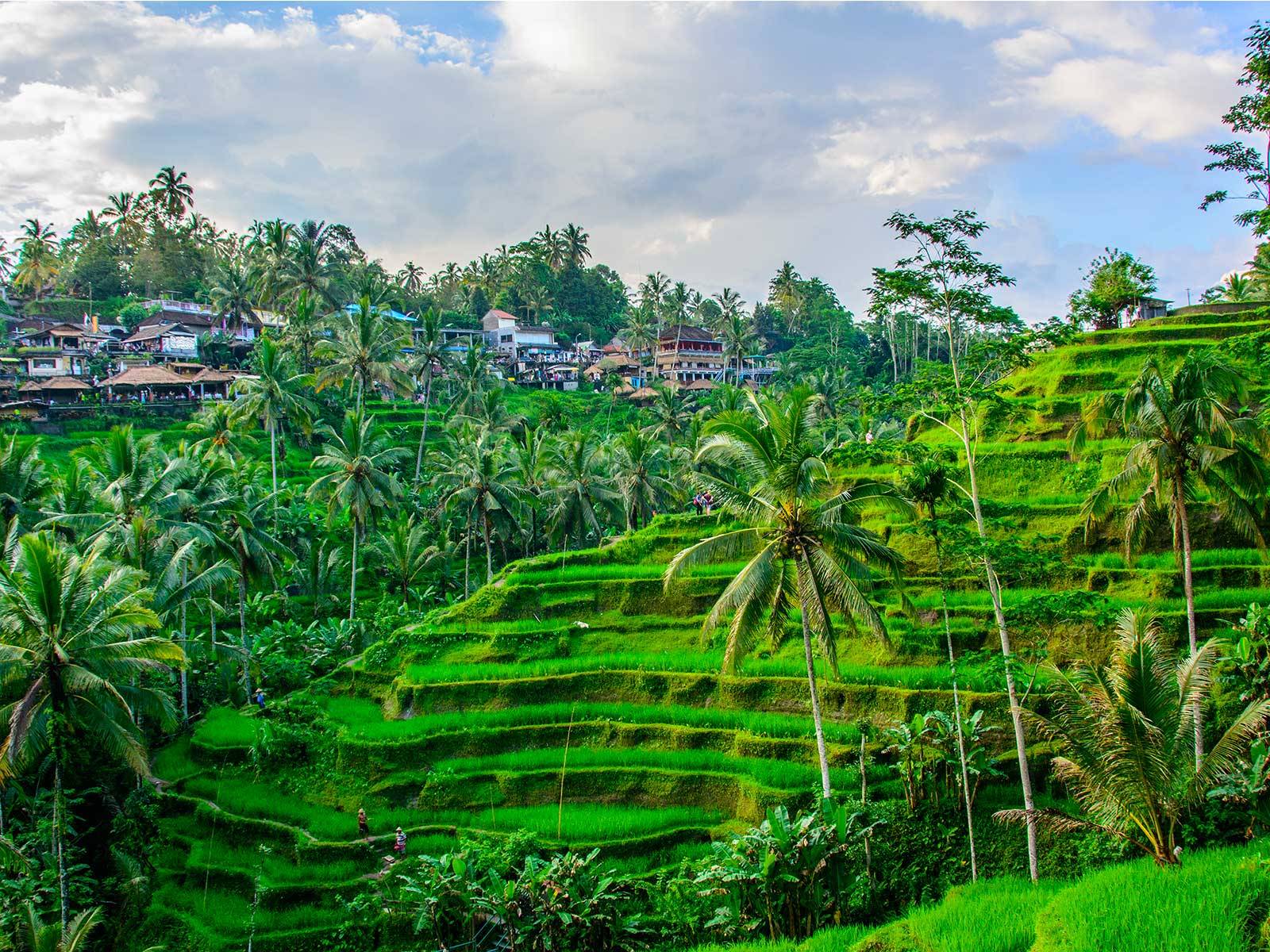
Bali's natural beauty, from the lush Tegallalang Rice Terraces to the majestic Mount Batur and stunning waterfalls like Sekumpul Waterfall, is a precious asset. Sustainable tourism practices are crucial.
- Reduce Plastic:Opt for reusable water bottles and bags. Refuse plastic straws.
- Waste Management:Dispose of your rubbish properly. Avoid littering.
- Respect Nature:Do not disturb wildlife or damage natural environments. Support eco-friendly tours.
Language Basics: A Little Goes a Long Way
While many Balinese speak English, especially in tourist areas, learning a few basic Indonesian phrases shows respect and can enhance your interactions:
- Hello:HaloorOm Swastiastu(Balinese greeting)
- Thank You:Terima Kasih
- Please:Tolong
- Excuse Me/Pardon Me:Permisi
- Yes:Ya
- No:Tidak
Engaging with Locals: Embrace the Balinese Spirit
The Balinese people are renowned for their warmth, hospitality, and genuine smiles. Approach them with an open heart and a respectful attitude, and you'll undoubtedly enrich your travel experience. Be patient, polite, and always willing to learn. Engaging respectfully with local communities, whether in fishing villages like Amed or dolphin-watching towns like Lovina, helps foster cross-cultural understanding and preserves the island's unique charm for future generations.
By embracing these customs, you not only ensure a respectful visit but also gain a deeper, more meaningful connection to the spiritual and cultural heart of Bali.