
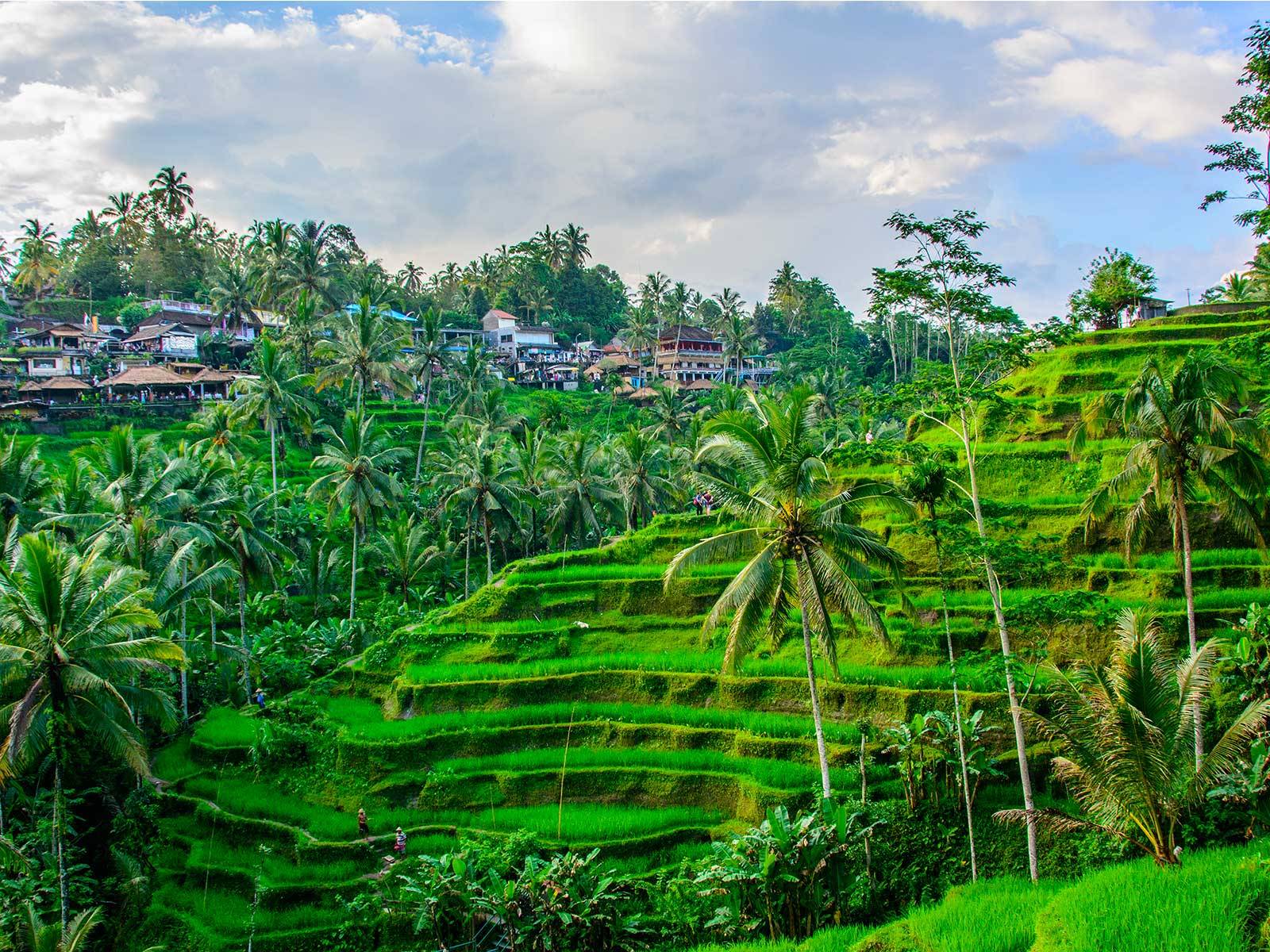
Bali in Dry Season: Weather, Activities, and What to Expect
Dreaming of a perfect Bali getaway? The dry season offers an unparalleled experience, painting the island with vibrant sunshine, clear skies, and comfortably low humidity. This is when the Island of the Gods truly shines, providing ideal conditions for exploration and relaxation.
Understanding Bali's Dry Season
Knowing when to visit Bali can significantly enhance your trip. The dry season is widely considered the best time to experience the island's natural beauty and vibrant culture.
When is Bali's Dry Season?
Bali's dry season typically runs fromApril to October. These months coincide with the southern hemisphere's winter, offering a refreshing escape from hotter climates elsewhere. While slight variations can occur year to year, this period generally promises stable, sunny weather.
Typical Weather Conditions
During the dry season, you can expect abundant sunshine and very little rain. Days are consistently warm but not excessively hot, thanks to lower humidity levels that make the heat much more bearable. Coastal areas tend to have a pleasant sea breeze, while central regions like Ubud might feel slightly warmer during the day but offer cooler evenings.
Average daytime temperatures in Bali during the dry season hover around 27-30°C (81-86°F), with nighttime temperatures dropping to a comfortable 22-25°C (72-77°F). Humidity is significantly lower compared to the wet season, making for a much more enjoyable climate.
The skies are usually clear and blue, offering spectacular views, especially around sunset. This stable weather pattern is perfect for outdoor activities and sightseeing across the island.
Rainfall Expectations
While named the "dry season," it doesn't mean zero rain. Occasional short, light showers can still occur, particularly in the early morning or late afternoon, but they are typically brief and quickly pass, giving way to sunshine. These brief drizzles are often a welcome refreshment and rarely disrupt travel plans.
Top Activities & Experiences in Bali's Dry Season
The dry season's excellent weather opens up a myriad of opportunities for visitors. From pristine beaches to lush cultural heartlands, every corner of Bali is ready to be explored.
Beach Hopping & Water Sports
With calm waters and clear visibility, the dry season is prime time for beach lovers and water enthusiasts. The west coast beaches like Kuta Beach,Seminyak, and Canggu are perfect for surfing, sunbathing, and enjoying vibrant beach club scenes. For stunning sunsets and seafood dinners, don't miss Jimbaran Bay.
Diving and snorkeling conditions are exceptional, particularly around areas like Amed on the east coast, known for its coral reefs and shipwrecks. The neighboring islands of Nusa Penida and Nusa Lembongan boast crystal-clear waters, making them ideal for exploring marine life and dramatic cliff views. Further north,Lovina offers serene black sand beaches and dolphin watching tours.
Cultural & Temple Exploration
The cooler, less humid weather makes exploring Bali's iconic temples and cultural sites a much more comfortable experience. Witness the majestic sunset at Uluwatu Temple or the dramatic offshore beauty of Tanah Lot without the sweltering heat. Experience a spiritual cleansing ritual at Tirta Empul Temple or marvel at the grandeur of Bali's mother temple,Besakih Temple.
Don't forget to visit Lempuyang Luhur Temple for its iconic "Gates of Heaven" views (arrive early to beat the crowds!). For a dose of playful interaction, a visit to the Ubud Monkey Forest is always a delight, and the pleasant weather ensures a comfortable stroll through its lush grounds.
Trekking & Outdoor Adventures
Adventure seekers rejoice! The dry season is perfect for exploring Bali's diverse landscapes. Hike up Mount Batur for an unforgettable sunrise trek, offering panoramic views of the island. Explore the emerald hues of the Tegallalang Rice Terraces Ubud, where the clear skies enhance photographic opportunities.
Waterfall chasing is also a popular activity, with easier access to sites like Sekumpul Waterfall and Gitgit Waterfall thanks to drier trails. Cycling tours through villages and rice paddies are particularly enjoyable, allowing you to immerse yourself in local life without the worry of muddy paths.
Wellness & Relaxation
Bali is renowned as a wellness hub, and the dry season provides the perfect serene backdrop for rejuvenation. Indulge in yoga retreats, spa treatments, and meditation sessions. Many resorts and wellness centers in Ubud offer open-air facilities, allowing you to connect with nature as you relax. The comfortable climate ensures a tranquil and refreshing experience.
Culinary Delights & Sunset Views
Enjoying Bali's incredible food scene is even better in the dry season. Al fresco dining, beachfront restaurants, and rooftop bars become even more appealing. Savor fresh seafood barbecues on the sands of Jimbaran Bay as the sun dips below the horizon, or enjoy vibrant street food at local night markets. The clear skies promise breathtaking sunsets, making every evening meal a memorable experience.
What to Expect: Tips for Your Dry Season Trip
To make the most of your dry season visit, a little preparation goes a long way.
Crowds & Booking
The dry season, particularly July and August, is Bali's peak tourist season. Expect higher numbers of visitors, especially in popular areas like Seminyak,Canggu, and Ubud. It's highly advisable tobook your accommodation, popular tours, and even some restaurant reservations well in advanceto secure your preferred choices and avoid disappointment.
Packing Essentials
Pack lightweight, breathable clothing (cotton, linen) to stay comfortable during the day. Swimwear is a must, along with a wide-brimmed hat and sunglasses for sun protection. While days are warm, evenings can be slightly cooler, especially inland or at higher altitudes, so a light jacket or sarong is a good idea. Comfortable walking shoes are essential for exploring temples and trekking.
Hydration & Sun Protection
Even with lower humidity, the tropical sun is strong. Stay well-hydrated by drinking plenty of water throughout the day. Always apply high-SPF sunscreen, even on cloudy days, and seek shade during the midday sun.
Transportation
Road conditions are generally better during the dry season, making travel between different parts of the island smoother. While traffic can still be an issue in busy areas, you won't have to contend with flooded roads or heavy rain delays, making scooter rentals or private drivers more reliable options.
Conclusion
Bali in the dry season is truly a paradise, offering an idyllic climate for all types of travelers. Whether you're seeking adventure, cultural immersion, or simply relaxation on pristine beaches, the months from April to October provide the perfect conditions. Embrace the sunshine, explore the wonders of the island, and create unforgettable memories under Bali's brilliant blue skies.