
A Brief History of Bali: Temples, Kingdoms, and Spiritual Heritage
Bali, often called the "Island of the Gods," captivates visitors with its stunning landscapes, vibrant culture, and profound spirituality. Yet, beneath its idyllic surface lies a rich and complex history, shaped by ancient beliefs, powerful kingdoms, and enduring traditions. Understanding Bali's past is key to appreciating its unique present.
Ancient Roots: Pre-Hindu Bali
Long before the arrival of Indian influences, Bali was inhabited by indigenous communities with animistic beliefs, worshipping nature spirits and ancestral deities. Archaeological findings, including megalithic structures and tools, suggest a sophisticated pre-Hindu culture dating back thousands of years. These early beliefs laid a foundational layer for the spiritual practices that would later blend with Hinduism, creating a distinctive Balinese identity.
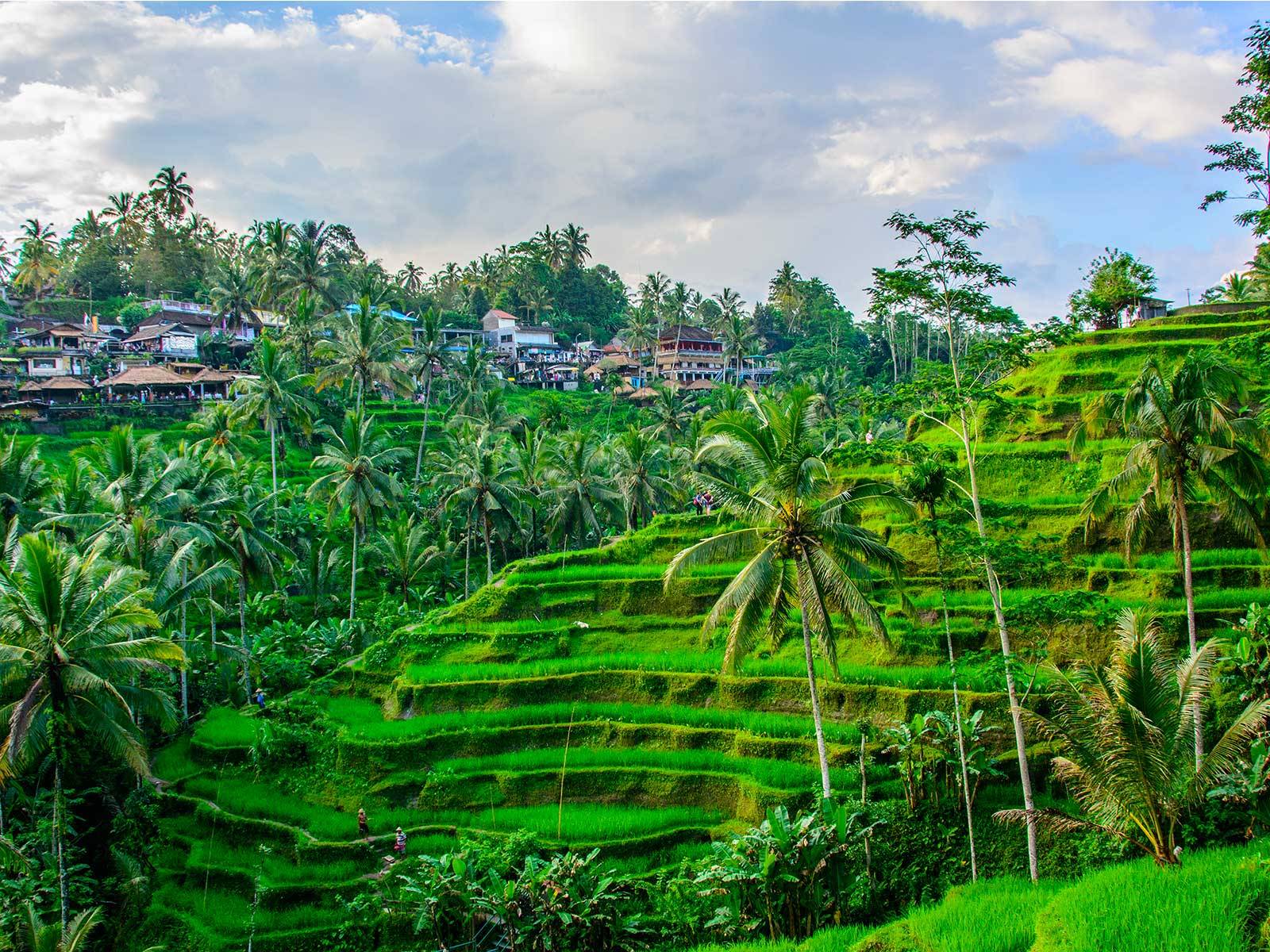
Evidence of these ancient roots can still be seen in the reverence for sacred trees, mountains like Mount Batur, and the sea, which remain integral to Balinese spiritual life today. The intricate Tegallalang Rice Terraces Ubud, for instance, are not just agricultural marvels but also testaments to the ancientsubakirrigation system, a democratic and spiritual cooperative that has sustained Balinese life for centuries.
The Dawn of Kingdoms: Hindu-Buddhist Influence
The first significant shift in Bali's history came with the arrival of Hindu and Buddhist influences from India and Java, likely through traders and priests, around the 8th to 9th centuries. Sanskrit inscriptions found in Bali, such as those at Sanur, confirm the presence of organized kingdoms and religious practices by this period.
TheWarmadewa Dynasty, established around the 10th century, marked the beginning of a golden age for early Balinese kingdoms. Notable figures include King Udayana Warmadewa and his Javanese queen, Mahendradatta, whose son Airlangga later became a powerful king in Java. This period saw the construction of numerous temples and the establishment of sophisticated governmental and religious structures.
Hinduism, particularly the Shivaite tradition, blended seamlessly with the existing animistic beliefs, resulting in a unique Balinese Hinduism (Agama Hindu Dharma). Buddhism also flourished side-by-side, contributing to the island's tolerant spiritual landscape.
Did you know?While Hinduism is dominant in India, Bali's version integrates animism, ancestor worship, and Buddhist elements, making it distinctly Balinese. This synthesis is often referred to as 'Agama Hindu Dharma' or 'Balinese Hinduism.'
Temples like Tirta Empul Temple, with its sacred spring and purification rituals, are believed to have origins dating back to this era, serving as vital centers for spiritual life and community gatherings.
The Majapahit Exodus and Bali's Golden Age
Perhaps the most pivotal event in shaping modern Balinese culture was the fall of the mighty Hindu Majapahit Empire in Java during the 15th century. As the Islamic sultanates rose in Java, many Javanese nobles, priests, artists, and intellectuals sought refuge in Bali. This mass migration brought a significant influx of Javanese culture, art forms, and religious texts, enriching the existing Balinese traditions.
This period led to the establishment of powerful Balinese kingdoms, such as Gelgel and later Klungkung, fostering a true "Golden Age" of Balinese culture. Art, literature, dance, and architecture flourished, developing the distinctive styles still seen today. The intricate caste system, derived from India but adapted in Bali, also solidified during this time.
While the new arrivals integrated, some indigenous communities, known as theBali Aga(original Balinese), maintained their distinct traditions and resisted Javanese influence, particularly in isolated villages in areas like Tenganan. The vibrant textile traditions and unique architectural styles found in the Ubud Market today are echoes of this rich cultural heritage.
The Dutch Colonial Era and the Puputan
European contact with Bali began in the late 16th century with Dutch traders. However, unlike Java and other Indonesian islands, Bali largely maintained its independence for centuries, due to its strong kingdoms and the Dutch East India Company's initial focus elsewhere. It wasn't until the 19th and early 20th centuries that the Dutch colonial administration began its systematic conquest of the island.
The annexation was met with fierce resistance. In a series of tragic events known asPuputan(ritual suicides), Balinese royalty and their followers chose death over surrender. The most famous occurred in 1906 in Denpasar and 1908 in Klungkung, where entire royal courts, dressed in ceremonial attire, marched directly into Dutch gunfire. These acts of defiance, while devastating, solidified the Balinese spirit of independence and cultural integrity.
Under Dutch rule, Bali's cultural traditions were paradoxically preserved to some extent. The colonial administration, fascinated by Balinese art and spirituality, implemented policies that prevented the wholesale conversion of Balinese to Christianity and encouraged the documentation of local customs. Significant temples like the "Mother Temple"Besakih Temple continued to be revered and maintained.
Independence, Tourism, and Modern Resilience
After a brief occupation by Japan during World War II, Indonesia declared its independence in 1945. Bali officially became part of the Republic of Indonesia in 1950. The mid-20th century saw the gradual emergence of Bali as an international tourist destination, beginning with adventurous travelers and artists.
The 1970s and beyond witnessed a tourism boom, transforming areas like Kuta Beach,Seminyak, and later Canggu into bustling hubs. While tourism brought economic prosperity, it also presented challenges to preserving Balinese culture and environment. However, the Balinese have largely managed to integrate modernity while fiercely holding onto their spiritual heritage.
Iconic modern landmarks like the colossal Garuda Wisnu Kencana Cultural Park stand as testaments to Bali's enduring connection to its Hindu mythology, even in the 21st century. Regions like Amed and Lovina on the quieter coasts, and the islands of Nusa Penida and Nusa Lembongan, continue to attract visitors seeking both natural beauty and glimpses into traditional Balinese life.
Bali's Enduring Spiritual Tapestry
At the heart of Bali's history is its profound spiritual heritage, which continues to define daily life. The philosophy ofTri Hita Karana—harmony between humans, nature, and the divine—permeates every aspect of Balinese society, from the layout of villages to the daily offerings (canang sari).
Temples remain the focal points of community life and spiritual practice. From the dramatic cliffside Uluwatu Temple to the iconic sea temple of Tanah Lot, and the majestic "Gates of Heaven" at Lempuyang Luhur Temple, each serves as a sacred link between the human and divine realms.
Ceremonies, festivals, and rituals are constant, ensuring that the spiritual threads woven through centuries of history remain vibrant and alive. This unwavering commitment to tradition is what makes Bali truly unique.
Conclusion: A Living History
Bali's history is a captivating narrative of cultural fusion, spiritual resilience, and artistic brilliance. From its animistic origins and the adoption of Hinduism, through the Majapahit exodus, colonial struggles, and modern tourism, the island has continuously adapted without losing its soul. Today, visitors don't just see historical sites; they experience a living history, where ancient beliefs and traditions are practiced daily, offering a profound glimpse into a truly extraordinary culture.