
The Rich History of Bahrain: From Ancient Civilizations to Modern Marvels
Steeped in millennia of human history, the Kingdom of Bahrain offers a captivating journey through time. From its pivotal role as an ancient trade hub to its emergence as a dynamic modern nation, Bahrain's past is a vibrant tapestry woven with tales of empires, pearls, and a pioneering spirit.
Ancient Roots: The Enigmatic Dilmun Civilization
Long before it was known as Bahrain, this archipelago was the heartland of the legendary Dilmun civilization, flourishing from around 3000 BCE to 600 BCE. Dilmun held a strategic position along ancient trade routes, acting as a vital intermediary between Mesopotamia (modern-day Iraq) and the Indus Valley (modern-day Pakistan and India). It was renowned for its sweet water springs, fertile lands, and as a key center for the lucrative copper trade.
Archaeological evidence of Dilmun's grandeur is abundant, most notably in the vast necropolises scattered across the island. These thousands of burial mounds, a UNESCO World Heritage site, offer a tangible link to a sophisticated society that thrived in the Arabian Gulf. They reveal insights into Dilmunite beliefs, social structures, and their extensive trade networks, demonstrating the island's enduring importance.
Fun Fact:In Sumerian mythology, Dilmun was often depicted as a sacred, primeval paradise – a pure, clean, bright land where sickness and death were unknown. This mythical status further underscores its historical significance.
From Islamic Embrace to Portuguese Fortifications
The arrival of Islam in the 7th century CE marked a profound transformation for Bahrain, integrating it into the burgeoning Islamic world. The island became an important center for Islamic scholarship and trade, connecting cultures across the Arabian Peninsula and beyond. Various Islamic dynasties, including the Umayyads, Abbasids, and Qarmatians, held sway over the centuries, each leaving their mark.
By the early 16th century, Bahrain's strategic location once again drew the attention of a formidable maritime power: the Portuguese. Seeking to control trade routes in the Indian Ocean, they conquered Bahrain in 1521. Their legacy is most strikingly preserved in the impressive Qal'at al-Bahrain(Bahrain Fort), another UNESCO World Heritage site. Originally a Dilmunite settlement, the fort was rebuilt and fortified by the Portuguese, serving as a testament to their military prowess and the island's enduring strategic value. After approximately 80 years, the Portuguese were expelled by a combined Persian-Arab force, leading to a period of Persian influence that shaped Bahrain's cultural landscape.
The Rise of the Al-Khalifa Dynasty and the Pearl Era
The 18th century witnessed the arrival of the Al-Khalifa family, who established their rule over Bahrain in 1783, a dynasty that continues to govern the kingdom today. Under their leadership, Bahrain flourished, primarily driven by its lucrative pearl diving industry. Bahraini pearls were renowned worldwide for their exceptional quality and luster, making the island a global center for the pearl trade. This era fostered a unique maritime culture, with generations of Bahrainis making their living from the sea.
The early 20th century brought significant changes. Bahrain entered into a series of treaties with Great Britain, becoming a British protectorate. This period saw the introduction of modern education and infrastructure. However, the most transformative event was the discovery of oil in 1932, marking the first oil strike in the Arabian Gulf. This discovery ushered in an era of rapid modernization, gradually shifting the economy away from its pearl-diving roots. Despite this, some elements of Bahrain's deep-rooted past, like the mysterious Tree of life, continue to stand as enduring symbols of resilience and history in the desert landscape.
Modern Bahrain: A Vision for the Future
Bahrain gained full independence from Britain in 1971, embarking on a path of self-determination and ambitious development. The nation skillfully leveraged its oil wealth to build a robust economy and a modern society, investing heavily in education, healthcare, and infrastructure. While oil remains a significant sector, Bahrain has proactively diversified its economy, becoming a leading financial hub in the Middle East and a pioneer in digital transformation.
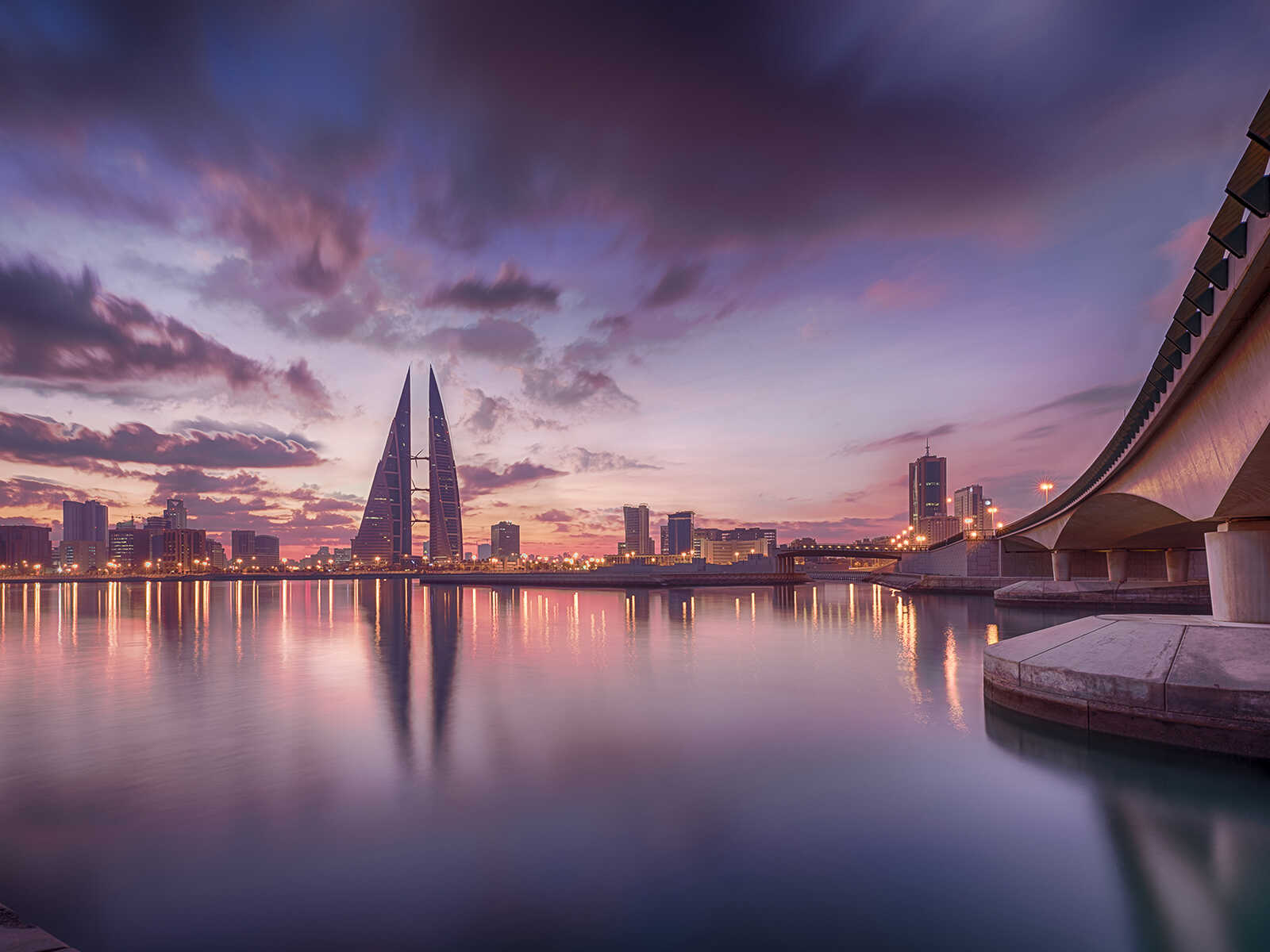
Today, Bahrain is a fascinating blend of ancient traditions and futuristic aspirations. Its capital, Manama, showcases this dynamic contrast, where traditional markets like the bustling Manama Souq thrive alongside architectural marvels. Iconic structures such as the innovative Bahrain World Trade Center, with its integrated wind turbines, stand as symbols of the nation's commitment to sustainability and progress. The majestic Al-Fatih Grand Mosque, one of the largest mosques in the world, exemplifies the nation's deep-rooted Islamic heritage while embracing modern design.
Cultural preservation also remains a cornerstone of modern Bahrain. Institutions like Beit Al Quran, a museum dedicated to the Quran and Islamic manuscripts, actively conserve and display centuries of Islamic art and history. For those seeking leisure and a taste of Bahrain's island charm, modern developments like the accessible Al Dar Islands offer a contemporary experience, reflecting the nation's continued evolution.
Experiencing Bahrain's Rich Heritage Today
Visiting Bahrain offers a unique opportunity to traverse millennia of history in a single trip. From exploring ancient Dilmun burial mounds and Portuguese forts to wandering through vibrant souqs and admiring cutting-edge architecture, the island kingdom presents a compelling narrative of human ingenuity and resilience. It's a place where every corner tells a story, inviting travelers to discover the layers of its fascinating past and vibrant present.
Whether you're an archaeology enthusiast, a history buff, or simply a curious traveler, Bahrain promises an enriching experience that connects you to one of the Gulf's oldest and most dynamic civilizations.