
Best Time to Visit Austria: Vienna Culture vs Alps Skiing
Austria, a country of breathtaking Alpine landscapes and rich imperial heritage, offers a myriad of experiences year-round. Deciding the ideal time to visit often boils down to a classic dilemma: immersing yourself in Vienna’s vibrant cultural scene or carving through fresh powder in the majestic Austrian Alps.
From the bustling streets of Vienna to the serene peaks of Tyrol, Austria transforms with each season, presenting distinct opportunities for travelers. This guide will help you navigate the seasonal variations, ensuring your trip aligns perfectly with your dream Austrian adventure.
Vienna: A Cultural Calendar Through the Seasons
Vienna, the former heart of the Habsburg Empire, is a city where history, art, and music intertwine seamlessly. Its cultural calendar is packed throughout the year, but each season offers a unique flavor.
Spring (March – May): Blooming Boulevards and Mild Delights
Spring in Vienna is a time of renewal. The city sheds its winter coat, and parks like those surrounding Schönbrunn Palace burst into bloom with vibrant flowers. The weather is generally mild and pleasant, perfect for leisurely strolls through the Innere Stadt Vienna, exploring its grand architecture and charming alleyways.
- Weather:Mild temperatures, comfortable for walking and outdoor activities.
- Crowds:Moderate, fewer than in peak summer, making it easier to enjoy museums and galleries.
- Events:Easter markets, early open-air concerts, and the start of festival season.
Tip:Spring is ideal for café culture, enjoying a traditional Viennese coffee and pastry at an outdoor table without the summer heat.
Summer (June – August): Festival Fever and Outdoor Living
Vienna truly comes alive in summer. The city buzzes with open-air concerts, film festivals, and outdoor markets. Long daylight hours encourage extended evenings spent at riverside bars or enjoying picnics in the city's many green spaces. While temperatures can be warm, the vibrant atmosphere is infectious.
- Weather:Warm to hot, with occasional thunderstorms.
- Crowds:Peak tourist season, expect larger crowds at popular attractions.
- Events:Donauinselfest (Danube Island Festival), Rathausplatz Film Festival, and numerous music events.
Autumn (September – November): Golden Hues and Wine Harvests
Autumn paints Vienna in a palette of warm, golden colors, making it one of the most picturesque times to visit. The air is crisp, and the atmosphere is more subdued than summer, perfect for deep dives into museums, opera houses, and theaters. This is also the season for "Heuriger" (wine tavern) visits, where you can sample young wines and traditional Austrian cuisine.
- Weather:Cool and crisp, ideal for walking and sightseeing.
- Crowds:Moderate, decreasing as winter approaches.
- Events:Vienna Fashion Week, various wine festivals, and the start of the classical music season.
Winter (December – February): Imperial Grandeur and Festive Sparkle
Winter transforms Vienna into a magical wonderland, especially from late November through December. The city sparkles with Christmas markets, offering mulled wine, festive treats, and handcrafted gifts. New Year's Eve is celebrated with grand balls and fireworks, while January and February offer a more serene, almost mystical experience of the imperial city, with fewer crowds and cozy cafes.
- Weather:Cold, often snowy, requiring warm clothing.
- Crowds:High during Christmas market season and New Year's; quieter in January/February.
- Events:Christmas markets, New Year's Concert, Imperial Balls, and traditional ice skating rinks.
The Austrian Alps: Skiing, Hiking, and Alpine Adventures
Beyond Vienna, Austria's majestic Alps offer year-round escapism, from world-class skiing to breathtaking summer hikes.
Winter (December – April): The Call of the Slopes
This is prime time for skiing and snowboarding enthusiasts. Austrian resorts are renowned for their excellent infrastructure, diverse pistes, and lively après-ski scenes. Popular destinations like Zell am See,Innsbruck(often dubbed the "Capital of the Alps"), and charming Alpbach offer extensive slopes suitable for all skill levels. Beyond skiing, winter sports include cross-country skiing, tobogganing, and snowshoeing.
- Weather:Cold, snowy, perfect for winter sports.
- Crowds:High, especially during school holidays and weekends.
- Activities:Downhill skiing, snowboarding, cross-country skiing, ice skating.
Summer (June – September): Green Pastures and Mountain Air
When the snow melts, the Alps transform into a verdant paradise for hikers, mountain bikers, and nature lovers. The fresh mountain air and stunning vistas are a refreshing escape. You can explore picturesque lakes like Wörthersee, embark on challenging climbs, or enjoy scenic drives like the Grossglockner High Alpine Road. Destinations like Schafberg offer incredible panoramic views accessible by cog railway, while the Krimmler Ache waterfalls are a spectacular sight.
- Weather:Warm and sunny, ideal for outdoor activities, but expect cooler temperatures at higher altitudes.
- Crowds:Moderate to high, particularly in popular hiking areas.
- Activities:Hiking, mountain biking, paragliding, swimming in alpine lakes, exploring castles like Hohenwerfen Castle.
Shoulder Seasons (May & October – November): Tranquil Transitions
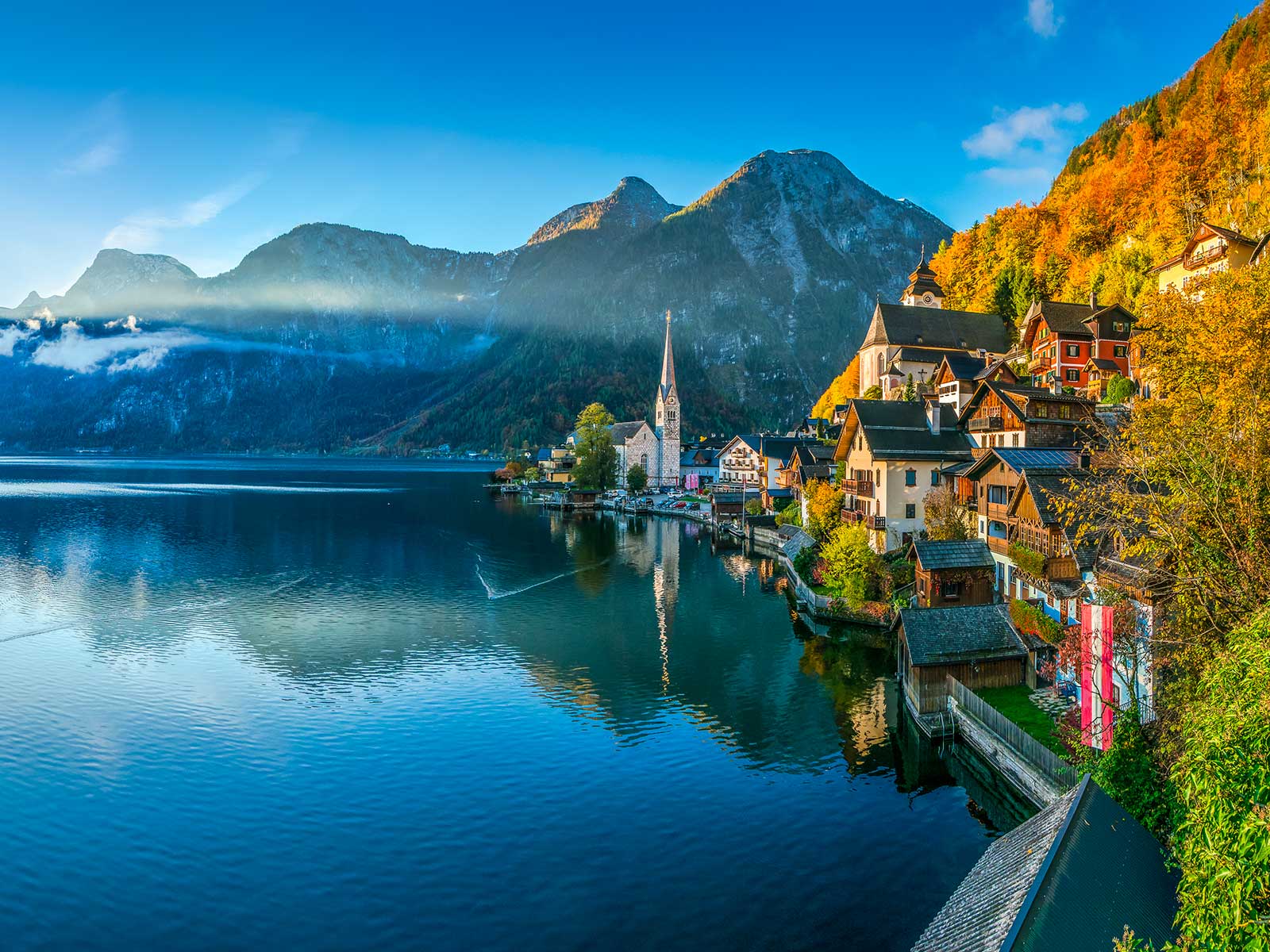
The shoulder seasons offer a quieter, often more budget-friendly way to experience the Alps. May sees the meadows beginning to green, though higher trails might still be snow-covered. October and November bring stunning autumn foliage, particularly in the lower valleys, before the first snows arrive. These periods are excellent for gentler hikes, exploring charming villages like Hallstatt, or visiting cultural gems like Salzburg Altstadt, without the peak season crowds.
- Weather:Variable; May is mild and blossoming, while October/November are cool and crisp with vibrant autumn colors.
- Crowds:Low, ideal for a peaceful visit.
- Activities:Lower-altitude hiking, scenic drives, cultural excursions.
Balancing Both: The Best of Both Worlds
For travelers hoping to experience both Vienna’s cultural richness and a taste of the Alpine scenery, the shoulder seasons (late April to early June and late September to early November) often present the best compromise.
- Late Spring (May-Early June):Enjoy pleasant city temperatures in Vienna and explore its gardens, then head to the lower Alps for hiking amidst blooming wildflowers. Many mountain lifts start operating, and trails are generally accessible at lower altitudes.
- Early Autumn (September-October):Experience Vienna’s cultural season and wine festivals, then travel to the Alps to witness breathtaking autumn foliage and enjoy crisp, invigorating hikes before the ski season begins. The Old Town of Graz also offers a delightful urban-cultural experience with easy access to surrounding hills.
These transitional periods typically offer fewer crowds, more moderate temperatures in both regions, and potentially more attractive accommodation rates. While you might not hit prime skiing conditions or the absolute peak of summer festivals, you gain a more relaxed and diverse Austrian experience.
Special Considerations for Your Trip
- Crowds & Pricing:Peak seasons (summer in cities, winter in ski resorts) naturally attract more visitors and can lead to higher demand for accommodations and flights. Shoulder seasons offer a more tranquil experience and often better value.
- Weather Variability:Austria's weather can be unpredictable, especially in the mountains. Always pack layers and be prepared for sudden changes, regardless of the season.
- Events & Festivals:Check specific event calendars for Vienna and your chosen Alpine region if there's a particular festival or concert you wish to attend.
Conclusion
Ultimately, the "best" time to visit Austria hinges on your personal priorities. If imperial history, classical music, and charming cityscapes are your focus, Vienna offers delightful experiences year-round, with spring and autumn providing ideal weather for exploration. For adrenaline-pumping ski adventures or invigorating summer hikes, the Austrian Alps beckon in winter and summer, respectively.
Consider a shoulder season visit for a harmonious blend of both worlds, allowing you to sample Vienna's cultural delights and the Alps' natural beauty in a more serene setting. Whichever you choose, Austria promises an unforgettable journey filled with stunning vistas and rich experiences.