
Planning Your Trip to Argentina: Essential Travel Resources & Tips
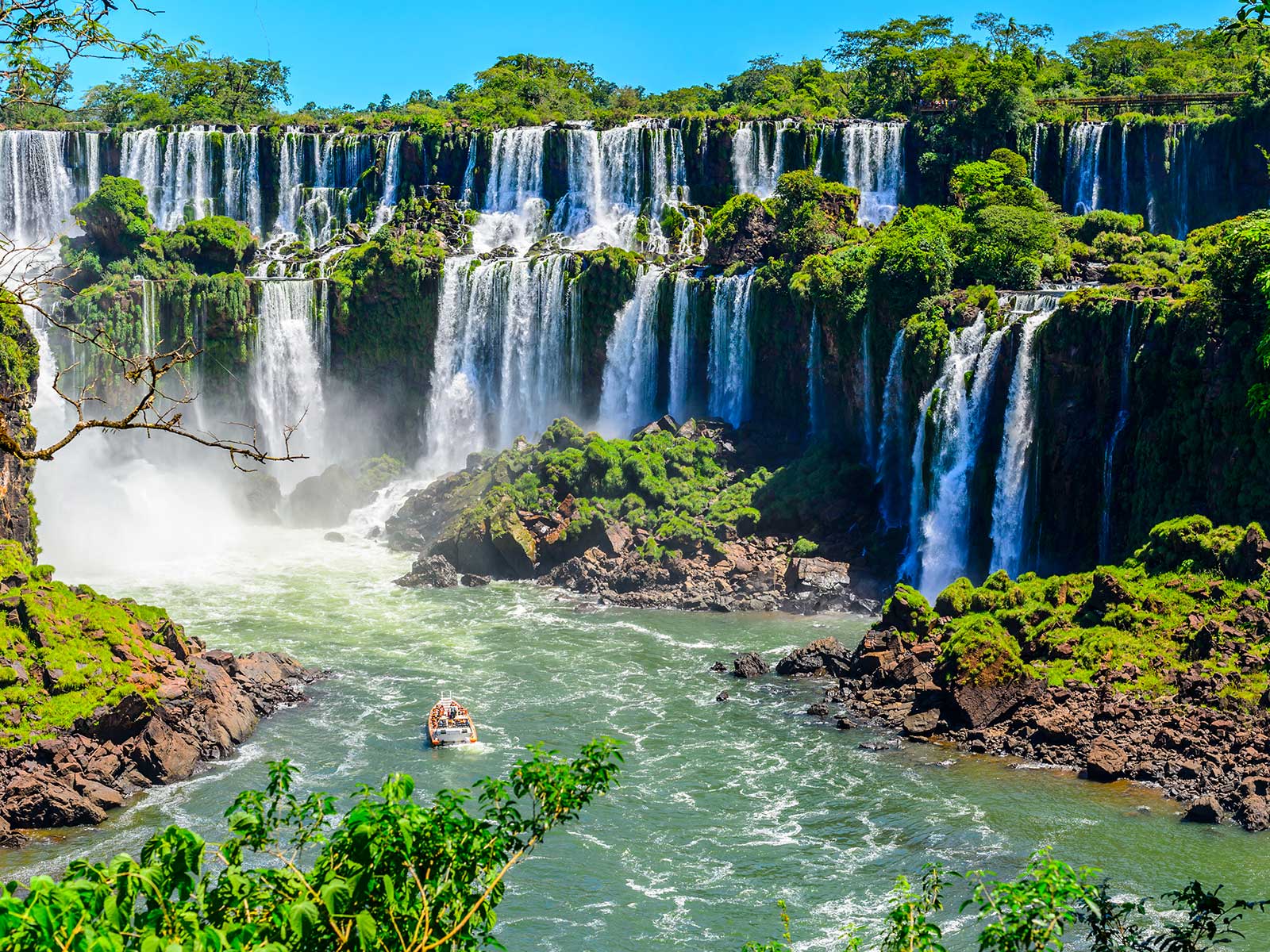
Argentina, a land of passionate tango, breathtaking Patagonian landscapes, and vibrant city life, offers an unforgettable adventure for every traveler. From the thundering cascades of Iguazu Falls to the icy wilderness of Los Glaciares National Park, this South American gem promises diverse experiences. This comprehensive guide will equip you with the essential resources and tips to plan your dream trip to Argentina.
Why Visit Argentina?
Argentina is a country of incredible contrasts and unparalleled beauty. Imagine trekking through ancient glaciers, exploring bustling metropolitan streets, savoring world-class wine, or dancing the night away to the rhythm of tango. Whether you seek adventure in the mountains of Patagonia, cultural immersion in Buenos Aires, or wildlife encounters on the Atlantic coast, Argentina delivers a rich tapestry of experiences that will leave a lasting impression.
Best Time to Visit Argentina
Due to its vast size and diverse geography, Argentina experiences varied climates. The "best" time to visit largely depends on your desired activities:
- Patagonia (South):Peak season is generally fromOctober to April, offering warmer temperatures and longer daylight hours ideal for hiking and exploring places like El Calafate and Ushuaia. Winter (June-September) is perfect for skiing in resorts like Cerro Catedral near Bariloche.
- Buenos Aires & Central Argentina:Spring (September-November) and Autumn (March-May) offer pleasant temperatures, ideal for city exploration. Summers can be hot and humid, while winters are mild.
- Northern Argentina (including Iguazu Falls & Salta/Jujuy):Can be visited year-round, butApril to Octobergenerally avoids the hottest and most humid summer months, making places like Quebrada de Humahuaca more comfortable to explore.
Getting There & Getting Around
International Flights
Most international flights arrive at Ministro Pistarini International Airport (EZE) in Buenos Aires. Other major cities like Córdoba or Mendoza also have international connections, but EZE remains the primary gateway.
Domestic Travel
Argentina's extensive internal transport network makes exploring relatively straightforward:
- Flights:For covering long distances quickly, domestic flights are the most efficient option. Major airlines connect Buenos Aires with destinations like El Calafate,Iguazu Falls, Bariloche, and Ushuaia.
- Buses:An excellent and popular way to travel, especially for medium to long distances. Argentine long-distance buses are often luxurious, with options for fully reclinable seats (camaorejecutivoservices), meals, and movies.
- Car Rentals:Ideal for exploring specific regions at your own pace, particularly in Patagonia or the Northwest. However, be prepared for long distances between towns and varying road conditions.
Visa, Entry Requirements & Safety
Most nationalities, including those from the US, Canada, EU, UK, Australia, and New Zealand, do not require a visa for tourist stays of up to 90 days. Always check the latest requirements with the Argentine embassy or consulate in your country well before your trip, as regulations can change.
Argentina is generally safe for tourists, but like any major travel destination, it's wise to take precautions. Be aware of your surroundings, especially in crowded areas of big cities like Buenos Aires. Avoid displaying expensive items, use reputable taxis or ride-sharing apps, and keep copies of important documents separate from the originals.
Traveler's Tip:Always carry a photocopy of your passport and immigration stamp, leaving the originals securely stored at your accommodation. This is helpful for minor checks and reduces the risk of loss.
Essential Packing List
Packing for Argentina requires versatility due to its diverse climates. Consider these essentials:
- Layered Clothing:Key for adapting to temperature changes, especially when moving between regions.
- Comfortable Walking Shoes:Crucial for city exploration and hiking.
- Rain Gear:A waterproof jacket and umbrella are advisable year-round.
- Sun Protection:Hat, sunglasses, and high-SPF sunscreen, particularly for Patagonia and high-altitude areas like Aconcagua region or Quebrada de Humahuaca.
- Swimsuit:For beaches, hotel pools, or hot springs.
- Universal Travel Adapter:Argentina uses Type I sockets (three flat pins, often with a diagonal arrangement), though Type C (two round pins) is also common.
- Basic First-Aid Kit:Including any personal medications.
- Reusable Water Bottle:To stay hydrated and reduce plastic waste.
Money & Budgeting
The official currency is the Argentine Peso (ARS). While credit cards are widely accepted in major cities and tourist areas, it's always advisable to carry some cash for smaller purchases, local markets, or establishments in remote areas. ATMs are available, but transaction fees can be high, and daily withdrawal limits may apply.
Tipping is customary for good service. A 10% tip is standard in restaurants, and small amounts are appreciated by hotel porters, tour guides, and taxi drivers.
Health & Insurance
No specific vaccinations are required for entry to Argentina, but it's always recommended to be up-to-date on routine vaccinations. Consult your doctor or a travel clinic before your trip for personalized advice. Ensure you have comprehensive travel insurance that covers medical emergencies, trip cancellations, and lost luggage. Tap water is generally safe to drink in major cities, but bottled water is widely available if you prefer.
Communication & Connectivity
Spanish is the official language. Learning a few basic phrases will significantly enhance your experience and is greatly appreciated by locals. "Hola" (hello), "Gracias" (thank you), "Por favor" (please), and "Cuánto cuesta?" (how much does it cost?) are good starting points. Many people in tourist-heavy areas will speak some English, especially in Buenos Aires.
Wi-Fi is readily available in hotels, cafes, and restaurants. For constant connectivity, consider purchasing a local SIM card (e.g., Claro, Movistar, Personal) upon arrival. Ensure your phone is unlocked before you travel.
Key Destinations & Experiences
- Buenos Aires:The vibrant capital, famous for tango, historic neighborhoods, and cultural attractions. Explore the opulent Teatro Colón, wander through Cementerio de la Recoleta, witness the iconic Casa Rosada on Plaza de Mayo, and marvel at the Obelisco de Buenos Aires.
- Patagonia:A land of glaciers, mountains, and wildlife. Visit Los Glaciares National Park to see the majestic Perito Moreno Glacier near El Calafate, or explore the "End of the World" in Ushuaia.
- Iguazu Falls:A UNESCO World Heritage site and one of the world's most spectacular waterfalls. Experience the sheer power of nature from both the Argentine and Brazilian sides.
- Mendoza:Argentina's wine country, nestled at the foot of the Andes. Enjoy vineyard tours, wine tastings, and explore General San Martín Park. For the adventurous, the region is also home to Aconcagua, the highest peak in the Americas.
- Salta & Jujuy (Northwest):Discover dramatic multi-colored mountains, indigenous culture, and unique landscapes in the Quebrada de Humahuaca.
- Puerto Madryn & Valdes Peninsula:Prime locations for wildlife viewing, including whales, penguins, and sea lions, especially during breeding seasons. The Valdes Peninsula is a UNESCO site.
- Córdoba:Argentina's second-largest city, offering colonial architecture, a lively university scene, and cultural sites like Paseo del Buen Pastor,Sarmiento Park, and the Evita Fine Arts Museum.
- Bariloche:Known as the "Switzerland of South America," offering stunning lakes, chocolate shops, and skiing at Cerro Catedral or panoramic views from Cerro Otto.
- Talampaya National Park:Located in La Rioja province, this park boasts incredible red rock formations and ancient canyons, a designated UNESCO World Heritage site.
Sustainable Travel in Argentina
To ensure Argentina's natural beauty and cultural heritage are preserved for future generations, practice responsible tourism:
- Support local businesses and artisans.
- Minimize your environmental footprint by conserving water and energy.
- Respect wildlife and natural habitats, especially in national parks like Los Glaciares National Park or on the Valdes Peninsula.
- Dispose of waste properly and avoid littering.
- Learn about and respect local customs and traditions.
Planning a trip to Argentina can be an exciting journey in itself. By utilizing these essential resources and tips, you're well on your way to experiencing the magic of this incredible country. Prepare to be captivated by its landscapes, enchanted by its culture, and welcomed by its warm people.