
Understanding Antiguan Culture: Traditions, Etiquette, and Local Life
Antigua, with its stunning beaches and vibrant landscapes, offers more than just picturesque scenery; it presents a rich tapestry of culture waiting to be explored. Delving into Antiguan traditions, understanding local etiquette, and embracing daily life will profoundly enhance your visit to this beautiful Caribbean gem.
The Roots of Antiguan Culture
Antiguan culture is a captivating blend, primarily shaped by its West African heritage, British colonial influence, and the broader Caribbean spirit. Originally inhabited by the Siboney, Arawak, and Carib peoples, the island's modern identity began to form with European colonization in the 17th century, leading to the establishment of sugar plantations and the tragic introduction of enslaved Africans.
The legacy of this history is evident in the island's language – Antiguan Creole, a lively dialect distinct from standard English – and its resilient spirit. Emancipation in 1834 marked a pivotal moment, allowing African traditions to flourish alongside British customs, creating the unique cultural mosaic seen today.
Antiguan Traditions and Celebrations
Antiguans celebrate life with infectious enthusiasm, often expressed through music, dance, and communal gatherings.
Carnival: A Burst of Color and Sound
The highlight of the Antiguan calendar is undoubtedlyCarnival, typically held over ten days culminating in the first Tuesday of August. This vibrant festival commemorates the emancipation of slaves, a powerful expression of freedom and cultural pride. Streets erupt with parades featuring elaborately costumed masqueraders, pulsating soca and calypso music, and spirited street parties.
Fun Fact:While many Caribbean carnivals precede Lent, Antiguan Carnival is strategically placed in August to mark the anniversary of emancipation, making it a unique celebration of freedom.
Religious Observances
Christianity plays a significant role in Antiguan society, with Anglican, Methodist, and Moravian denominations being prominent. Sundays are typically reserved for church and family, reflecting the deep-seated faith of many islanders. Religious holidays are observed with solemnity and community gatherings, often blending traditional hymns with Caribbean gospel music.
Sailing and Maritime Heritage
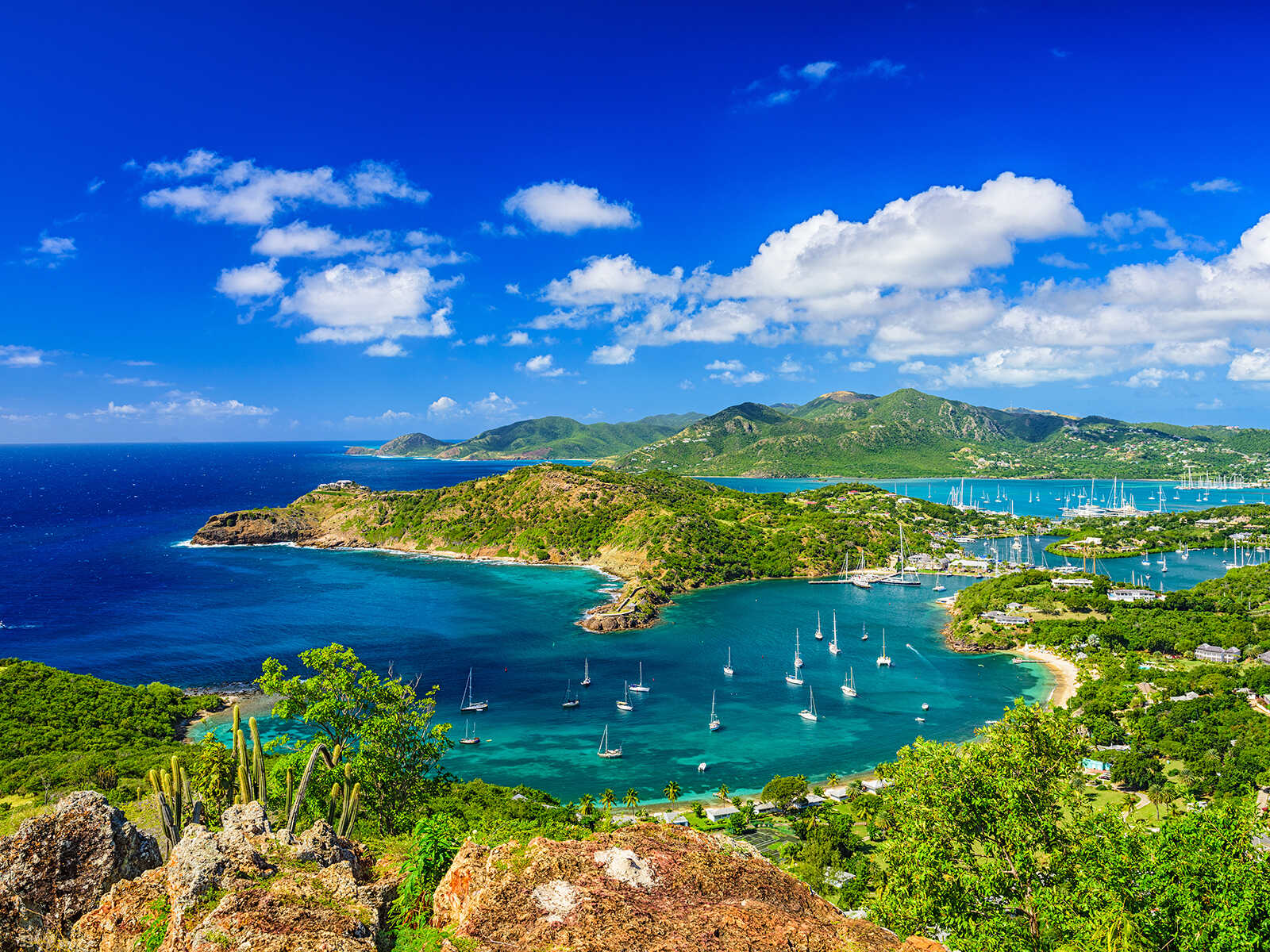
Given its numerous coves and bays, Antigua boasts a profound connection to the sea. Sailing is not just a sport; it's a way of life and a significant part of the island's heritage. Annual events like Antigua Sailing Week draw international participants and showcase local seafaring prowess. The historical significance of places like Nelson's Dockyard National Park, a beautifully restored Georgian-era marina, underscores this deep maritime legacy.
Storytelling and Folklore
Oral traditions remain strong in Antigua, with storytelling playing a vital role in passing down history, morals, and entertainment. Listen out for local legends and Anansi stories, tales featuring a cunning spider trickster of West African origin, which often carry important life lessons.
Navigating Local Etiquette
Respect and politeness go a long way in Antigua. Adhering to local customs will ensure a smoother and more enjoyable interaction with residents.
Greetings and Politeness
Antiguans are generally warm and friendly. A simple "Good morning," "Good afternoon," or "Good evening" to passersby, shopkeepers, and service staff is customary and appreciated before getting straight to business. Addressing elders with respect, often using "Mr.," "Mrs.," or "Miss" followed by their surname, is a sign of good manners.
Dress Code
While Antigua is a relaxed island, modesty is appreciated, especially when away from the beach. Beachwear is best reserved for the beach or poolside. When visiting towns, churches, or government buildings, opt for smart casual attire. Covering up swimwear when walking through public areas is considered respectful.
Tipping
Tipping is customary for good service. In restaurants, a 10-15% tip is standard if a service charge hasn't already been included. For taxi drivers, round up the fare or add 10-15%. Hotel staff, tour guides, and other service providers also appreciate gratuities for their efforts.
Photography
Always ask for permission before taking photos of people, especially children. While many are happy to pose, a polite request shows respect for their privacy.
The Rhythms of Antiguan Local Life
To truly experience Antigua, immerse yourself in the daily rhythms of its people.
Food and Drink
Antiguan cuisine is a flavorful fusion of African, European, and indigenous influences. The national dish isFungi and Pepperpot– a hearty stew often featuring various meats and vegetables, served with a cornmeal dumpling. Fresh seafood is abundant, from grilled lobster to conch fritters. Don't miss the sweet, juicy local pineapples, often considered among the best in the world.
For drinks, try the local Wadadli beer, named after the island's indigenous name, or a refreshing rum punch. Mauby, a bitter-sweet bark-based drink, is a unique local experience. Explore local markets in St. John's or along scenic routes like Fig Tree Drive to discover fresh produce and local delicacies.
Music and Dance
Music is the heartbeat of Antigua. Calypso, soca, and reggae are ever-present, filling the air from beach bars to bustling streets. Steelpan music, a testament to Caribbean innovation, is particularly cherished. Sunday evenings at Shirley Heights provide an iconic experience, where locals and visitors gather to enjoy panoramic views, barbecue, and live steelpan and reggae music.
Community and Family
Family ties are strong in Antigua, and community spirit thrives. Social gatherings, whether informal limes (get-togethers) or formal celebrations, are central to life. Visitors will often find themselves welcomed into conversations and local events with genuine warmth.
Sport
Cricket is more than a game in Antigua; it's a national passion. Whether watching an international match or a local game on a village green, the enthusiasm is palpable. Other popular sports include football (soccer), netball, and, of course, sailing.
Engaging with Antiguan Culture
To fully appreciate Antigua, step beyond the resort walls and engage with the local culture. Be open to new experiences, try the local food, and respectfully participate in events. A visit to historic sites like Betty's Hope Historic Sugar Plantation offers profound insight into the island's past, while strolling through Redcliffe Quay in St. John's provides a glimpse into contemporary local commerce and artistry.
Consider taking a local bus, striking up conversations with vendors at the market, or simply observing daily life from a roadside café. Each interaction offers a deeper connection to the island's soul.
Conclusion
Antiguan culture is a vibrant, resilient, and welcoming force. From the joyous celebrations of Carnival to the quiet respect for tradition, and the everyday rhythms of island life, there's a richness that goes far beyond the stunning scenery. By approaching your visit with an open heart and a respectful mind, you'll not only enjoy your time but also gain a profound appreciation for the people and heritage of Antigua.