
The Rich History of Antigua and Barbuda: Key Events and Landmarks
Beyond their pristine beaches and turquoise waters, the islands of Antigua and Barbuda boast a fascinating and complex history, deeply etched into their landscapes and culture. From ancient indigenous settlements to a pivotal role in the British Empire and a journey to independence, the past here is as vibrant and captivating as the present. Exploring this heritage offers profound insights into the spirit of these remarkable Caribbean nations.
Ancient Roots: The First Inhabitants
Long before European ships dotted the horizon, Antigua and Barbuda were home to successive waves of indigenous peoples. The earliest known inhabitants were the Siboney (Stone People), arriving around 2900 BC, followed by the Arawak (or Taino) who migrated from South America around 45 AD. The Arawak were skilled agriculturalists, cultivating crops like corn, sweet potatoes, and cotton, and establishing peaceful communities.
By the 13th century, the more warlike Carib people, also from South America, began to arrive, displacing many Arawak. These resourceful peoples left behind a legacy of pottery fragments, tools, and petroglyphs, offering glimpses into their rich pre-Columbian cultures.
European Arrival and Colonial Beginnings
The first recorded European encounter with Antigua was in 1493, when Christopher Columbus sighted the island and named it "Santa María la Antigua" after a chapel in Seville, Spain. However, early Spanish attempts at colonization were unsuccessful due to a lack of fresh water and the fierce resistance of the Carib people.
It was the English who finally established a lasting presence. In 1632, a group of English settlers from St. Kitts landed on Antigua, marking the beginning of continuous British rule that would last for over 300 years. Barbuda, lying 30 miles north, was also claimed by the English and leased to the Codrington family in 1685, becoming a vast agricultural estate and a breeding ground for enslaved labor.
The Golden Age of Sugar and Naval Power
The 17th and 18th centuries saw Antigua transformed into a highly profitable sugar colony. The fertile volcanic soil and abundant sunshine made it ideal for sugarcane cultivation, which became the backbone of the island's economy. This prosperity, however, came at a horrific cost, built entirely on the forced labor of enslaved Africans brought across the Atlantic.
To process the sugarcane, hundreds of windmills were constructed across the island. Today, the preserved Betty's Hope Historic Sugar Plantation stands as a poignant reminder of this era. It was the first large-scale sugar plantation on Antigua and now serves as an open-air museum, offering a stark and educational look into the lives of both enslavers and the enslaved.
Did You Know?At its peak, Antigua had over 150 sugar mills, more per square mile than any other Caribbean island. These mills, often stone towers, dot the landscape and are visible reminders of the island's past.
Antigua's strategic location in the Lesser Antilles also made it a crucial naval base for the British Royal Navy. During the 18th century, it was the headquarters for the British fleet in the West Indies, particularly vital during the Anglo-French wars.Nelson's Dockyard National Park, a UNESCO World Heritage Site, is the best-preserved Georgian-era naval dockyard in the world. Named after Admiral Horatio Nelson, who was stationed here in the 1780s, it’s a living testament to this period of intense maritime activity.
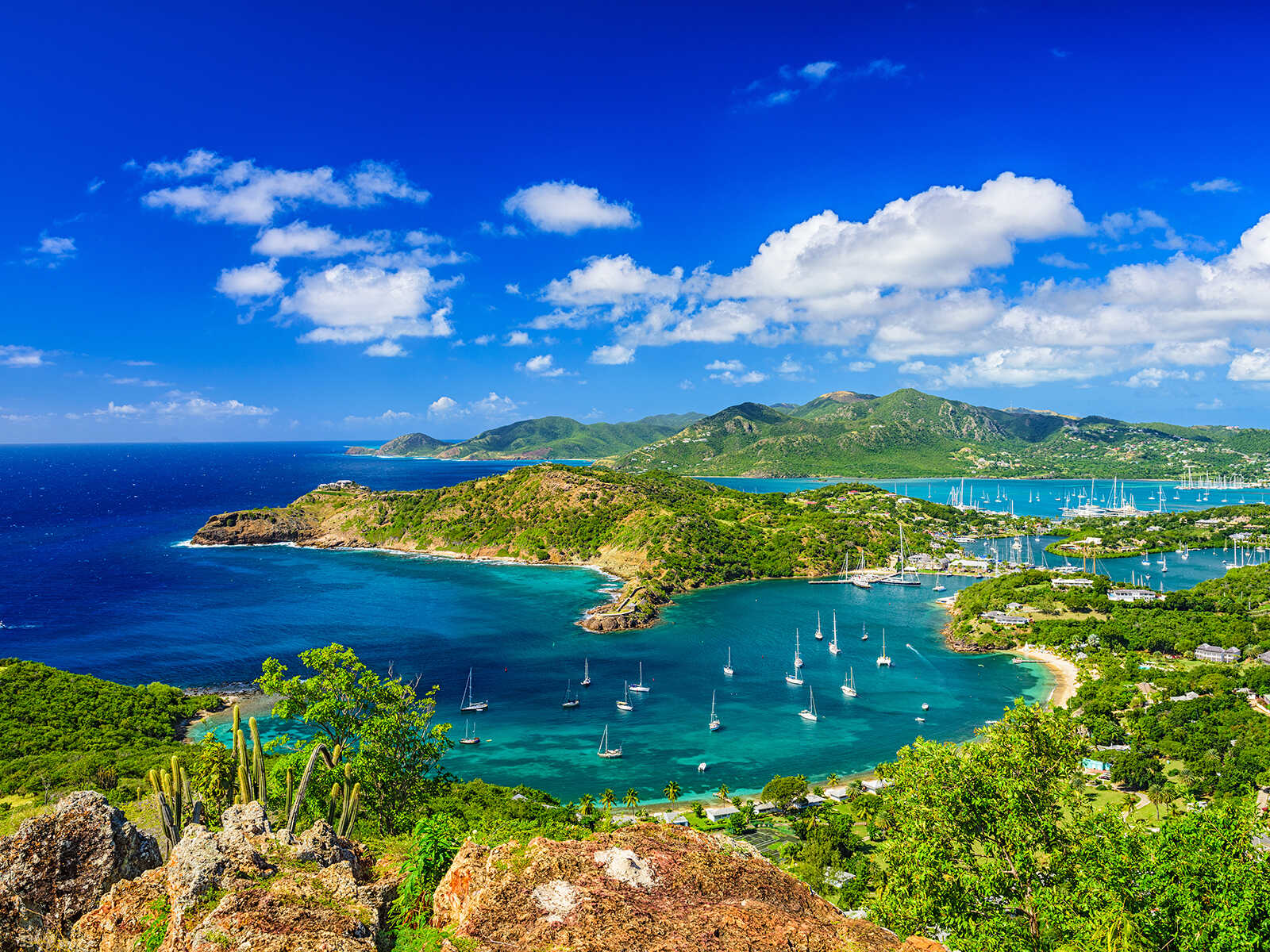
Overlooking the dockyard,Shirley Heights provided a vital lookout point for spotting approaching ships. Today, it offers breathtaking panoramic views of English and Falmouth Harbours, particularly famous for its Sunday evening party with live music and BBQ, a tradition that blends history with vibrant local culture.
The Road to Emancipation and Beyond
The institution of slavery profoundly shaped Antiguan society for centuries. The abolition of the slave trade in 1807 and the eventual full emancipation of enslaved people in the British Empire in 1834 brought significant societal shifts. However, the transition was far from smooth, as former enslaved individuals faced new forms of economic exploitation and systemic inequalities.
In the aftermath of emancipation, many former slaves sought opportunities away from the plantations. Towns like St. John's, the capital, grew, and communities developed around fishing and small-scale agriculture. The historic Redcliffe Quay in St. John's, once a bustling hub for trade and the landing point for many enslaved people, evolved into a vibrant market and shopping area, reflecting the changing economic landscape.
The interior of Antigua, particularly areas like Fig Tree Drive, showcase the island's lush agricultural heartland, where various fruits and provisions have been cultivated for generations, offering a glimpse into the self-sufficiency and resourcefulness that developed post-emancipation.
20th Century: Federation and Independence
The 20th century saw Antigua and Barbuda gradually move towards greater self-governance. Like many other British Caribbean colonies, they participated in the West Indies Federation in the late 1950s, an attempt at a unified independent state, which ultimately dissolved. Following the Federation's collapse, Antigua and Barbuda became an associated state of the United Kingdom in 1967, gaining full internal self-government.
Finally, on November 1, 1981, Antigua and Barbuda achieved full independence, becoming a sovereign nation within the Commonwealth. This marked a pivotal moment, allowing the twin-island nation to forge its own path on the global stage, with tourism quickly emerging as the dominant economic driver.
Enduring Landmarks and Cultural Echoes
Today, the history of Antigua and Barbuda is not confined to textbooks; it lives and breathes in the stunning architecture, the vibrant culture, and the very landscape of the islands. Visitors can immerse themselves in this rich heritage by exploring numerous sites:
- Nelson's Dockyard National Park:Explore meticulously restored naval buildings, museums, and enjoy the active marina.
- Betty's Hope Historic Sugar Plantation:Gain a profound understanding of the sugar industry and its human cost.
- Shirley Heights:Take in the views from a historic military post, connecting past strategic importance with present-day enjoyment.
- St. John's Cathedral:An impressive Anglican cathedral, rebuilt multiple times after earthquakes, standing as a testament to resilience.
- Museum of Antigua and Barbuda:Housed in the old colonial courthouse, it offers a comprehensive overview of the islands' history from geological formation to political independence.
Even natural wonders like Devil's Bridge, a spectacular limestone arch carved by the Atlantic waves, have been present throughout these historical periods, silently witnessing centuries of human endeavor. The beautiful beaches, such as Darkwood Beach and Dickenson Bay, have been points of arrival, departure, and respite for all who have called these islands home, from indigenous peoples to colonial settlers and modern tourists.
The history of Antigua and Barbuda is a compelling narrative of adaptation, struggle, resilience, and triumph. By exploring its key events and visiting its significant landmarks, you gain a deeper appreciation for the unique character and enduring spirit of this captivating Caribbean destination. It's a journey not just through time, but into the very soul of the nation.