
What to Pack for Angola: The Ultimate Packing List
Angola, a gem of Southern Africa, beckons with its stunning coastlines, vast savannas, and dramatic highlands. Preparing for a trip to this diverse country requires thoughtful packing to ensure comfort and readiness for its varied climates and activities. This ultimate packing list will guide you through everything you need for an unforgettable Angolan adventure.
Understanding Angola's Climate and Seasons
Angola experiences two primary seasons: the dry season (May to October) and the wet season (November to April). The dry season offers cooler temperatures, particularly in the mornings and evenings, and less humidity, making it ideal for safari and outdoor exploration. The wet season brings higher humidity, occasional heavy rains, and lush green landscapes.
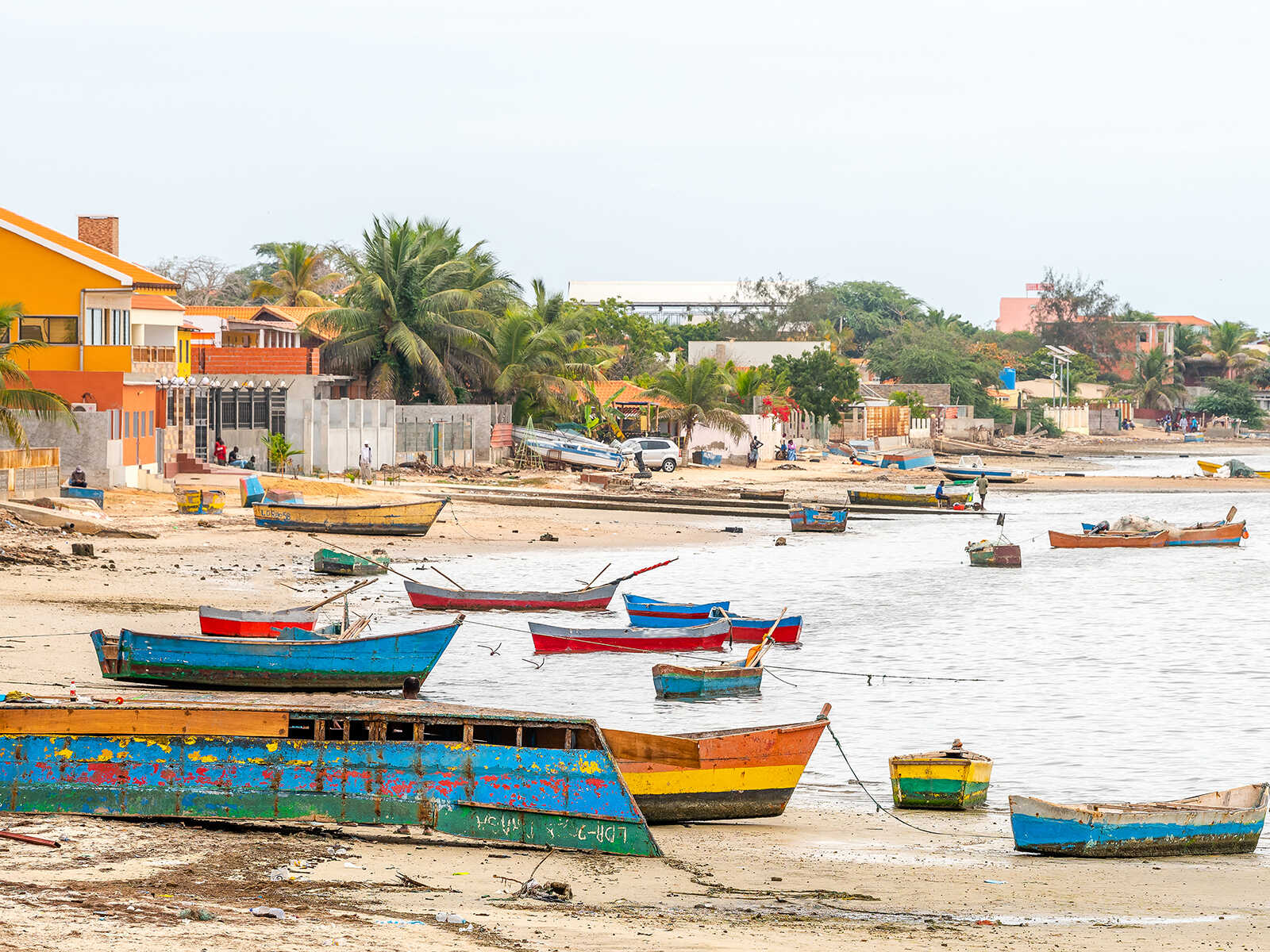
Coastal areas, like those near Sangano Beach, tend to be warmer and more humid year-round, while highland regions, such as those around Tundavala gap, can be surprisingly cool, especially at night. Understanding these variations will help you tailor your packing list effectively.
Essential Documents and Money
Your journey begins long before you pack your bags with these critical items:
- Passport and Visa:Ensure your passport has at least six months' validity beyond your intended stay and secure your Angolan visa well in advance.
- Copies:Keep photocopies or digital images of all important documents (passport, visa, flight tickets, accommodation bookings) separate from the originals.
- Yellow Fever Certificate:This is mandatory for entry into Angola. Ensure it's up-to-date and easily accessible.
- Travel Insurance:Highly recommended for medical emergencies, trip cancellations, and lost luggage. Carry a copy of your policy details.
- Currency:The local currency is the Angolan Kwanza (AOA). While USD is widely accepted in major cities for larger transactions, it's advisable to have Kwanzas for smaller purchases, local markets, and areas outside of urban centers. ATMs are available in larger towns, but reliability can vary, so carrying some cash is prudent.
Clothing for Comfort and Culture
Angola's varied climate and cultural norms dictate a versatile wardrobe.
- Lightweight, Breathable Fabrics:Pack cotton, linen, or moisture-wicking synthetics for hot days, especially if visiting areas like Parque Nacional do Quicama. These fabrics dry quickly and keep you comfortable.
- Layers:Evenings, particularly in higher altitudes or during the dry season, can be cool. A light jacket, fleece, or sweater is essential.
- Long-Sleeved Shirts and Trousers:These protect against sun, insects (especially useful in evenings), and offer modesty. They are particularly practical for safari excursions or trekking.
- Modest Attire:While Angola is generally tolerant, dressing modestly, particularly when visiting rural areas, religious sites, or government buildings, shows respect. Avoid overly revealing clothing.
- Swimwear:For coastal visits or hotels with pools.
- Rain Gear:A lightweight, waterproof rain jacket or poncho is advisable during the wet season (November to April).
For specific activities, consider a sturdy pair of trousers for hiking near Tundavala gap or during a safari in Parque Nacional do Quicama, providing protection from thorny bushes and insects. Quick-drying fabrics are always a good choice, especially during the wet season or if you plan on water activities. Remember that laundry facilities might be limited outside of major hotels, so packing enough for several days or considering quick-dry options is wise.
Footwear for Every Terrain
Your choice of shoes will depend heavily on your itinerary.
- Comfortable Walking Shoes:Essential for exploring cities like Luanda or historical sites such as Fortaleza de São Miguel. Ensure they are broken in.
- Sturdy Hiking Boots:If you plan on trekking, extensive safaris in places like Parque Nacional do Quicama, or exploring dramatic landscapes like Pedras Negras, ankle-supporting boots are highly recommended.
- Sandals or Flip-flops:For relaxing, beaches, and in-hotel use.
Health and Safety Essentials
Prioritizing your health and safety is paramount for an enjoyable trip.
- Personal First-Aid Kit:Include pain relievers, anti-diarrhea medication, antiseptic wipes, bandages, blister plasters, and any personal prescription medications (with a doctor's note).
- Malaria Prophylaxis:Consult your doctor about anti-malarial medication, as malaria is prevalent in many parts of Angola.
- Insect Repellent:With a high percentage of DEET or picaridin is crucial, especially in the evenings and in rural areas.
- Sun Protection:High-SPF sunscreen, a wide-brimmed hat, and UV-protective sunglasses are non-negotiable given the strong African sun.
- Hand Sanitizer:For times when soap and water aren't available, particularly before meals.
- Water Purification:A reusable water bottle and purification tablets or a filter can be invaluable for reducing plastic waste and ensuring safe drinking water, especially when venturing off the beaten path.
Toiletries and Personal Items
- Biodegradable Toiletries:Consider eco-friendly options, especially if traveling to remote natural areas, to minimize your environmental impact.
- Travel-sized items:Shampoo, conditioner, soap, toothpaste, toothbrush – or bring full-sized if you prefer.
- Moisturizer and Lip Balm:The dry air in some regions can be harsh on skin and lips.
- Quick-dry Travel Towel:Lightweight and versatile, useful for various situations.
Electronics and Gadgets
Stay connected and capture your memories with these items:
- Universal Travel Adapter:Angola uses Type C and Type F plugs (two round pins).
- Power Bank:Reliable electricity can be sporadic outside major cities, making a portable charger essential for your devices.
- Camera and Extra Batteries/Memory Cards:For capturing the breathtaking scenery, from the majestic Quedas de Kalandula to the unique formations of the Viewpoint of the Moon.
- Headlamp or Flashlight:Essential for power outages, navigating in the dark, or early morning/late evening activities.
- Unlocked Smartphone:With a local SIM card (purchased upon arrival) for navigation, communication, and emergencies.
- E-reader or Books:For downtime during travel or evenings.
Beyond the essentials, consider a portable Bluetooth speaker for relaxing evenings, or a drone if you're a photography enthusiast (check local regulations regarding drone use). A durable, waterproof case for your phone and camera can also be a lifesaver, particularly if you're exploring waterfalls like Quedas de Kalandula or enjoying beach days at Sangano Beach.
Bags and Luggage
- Durable Main Luggage:A sturdy duffel bag or backpack is often more practical than a hard-shell suitcase, especially if you're moving between different types of accommodation or taking domestic flights with luggage restrictions.
- Daypack:For daily excursions, carrying water, snacks, camera, and essentials.
- Reusable Shopping Bags:For purchases and to reduce plastic waste.
- Small, Secure Pouch:For documents, money, and other valuables.
Miscellaneous/Optional Items
- Binoculars:A must-have for wildlife viewing in Parque Nacional do Quicama and other natural areas.
- Journal and Pen:To record your memories and observations.
- Small Gifts:For local communities if you plan to visit, showing appreciation for hospitality.
- Snacks:Energy bars, dried fruit, etc., especially for long travel days or excursions where food options might be limited.
- Entertainment:Books, downloaded movies/music for downtime.
Angola is a country with rich cultural heritage. Always ask for permission before taking photos of people, especially in rural areas. A friendly smile and basic greetings in Portuguese can go a long way in fostering positive interactions.
Conclusion
Packing for Angola is about striking a balance between preparedness and practicality. With its diverse landscapes, from the vibrant capital of Luanda to the serene beauty of its natural parks, being well-equipped will enhance your journey. Use this ultimate packing list as a guide, tailor it to your specific itinerary, and get ready to discover the captivating wonders of Angola.