
Top Angola Tours and Day Trips: Explore Beyond Luanda
While Luanda offers a bustling introduction to Angola, the true heart of this Southern African nation lies in its diverse landscapes, rich history, and vibrant cultures beyond the capital. Embark on an unforgettable journey to discover pristine beaches, dramatic geological formations, and captivating wildlife sanctuaries that showcase Angola's incredible natural beauty.
Must-Do Day Trips from Luanda
For those based in Luanda, several remarkable destinations are accessible for a day's adventure, offering a taste of Angola's natural wonders without venturing too far.
Miradouro da Lua (Viewpoint of the Moon)
Just south of Luanda, the Viewpoint of the Moon is a breathtaking natural spectacle. Erosion by wind and rain has carved the cliffs into a series of lunar-like craters and peaks, presenting a surreal, otherworldly landscape. Best visited in the late afternoon, the changing light casts dramatic shadows and vibrant hues across the formations, creating incredible photographic opportunities. It's a short, impactful trip that highlights Angola's unique geological artistry.
Parque Nacional do Quicama (Kissama National Park)
Located approximately 70 km south of Luanda,Parque Nacional do Quicama is Angola's only functioning national park and a beacon of wildlife conservation. Once decimated by civil war, the park has seen incredible efforts to reintroduce species like elephants, giraffes, zebras, and various antelope. A safari here offers a unique opportunity to witness African wildlife thriving in a vast, savanna landscape. Tours typically involve guided game drives, providing insight into the park's ecosystem and conservation successes. It's a vital experience for nature lovers and those interested in Angola's ecological recovery.
Praia de Sangano (Sangano Beach)
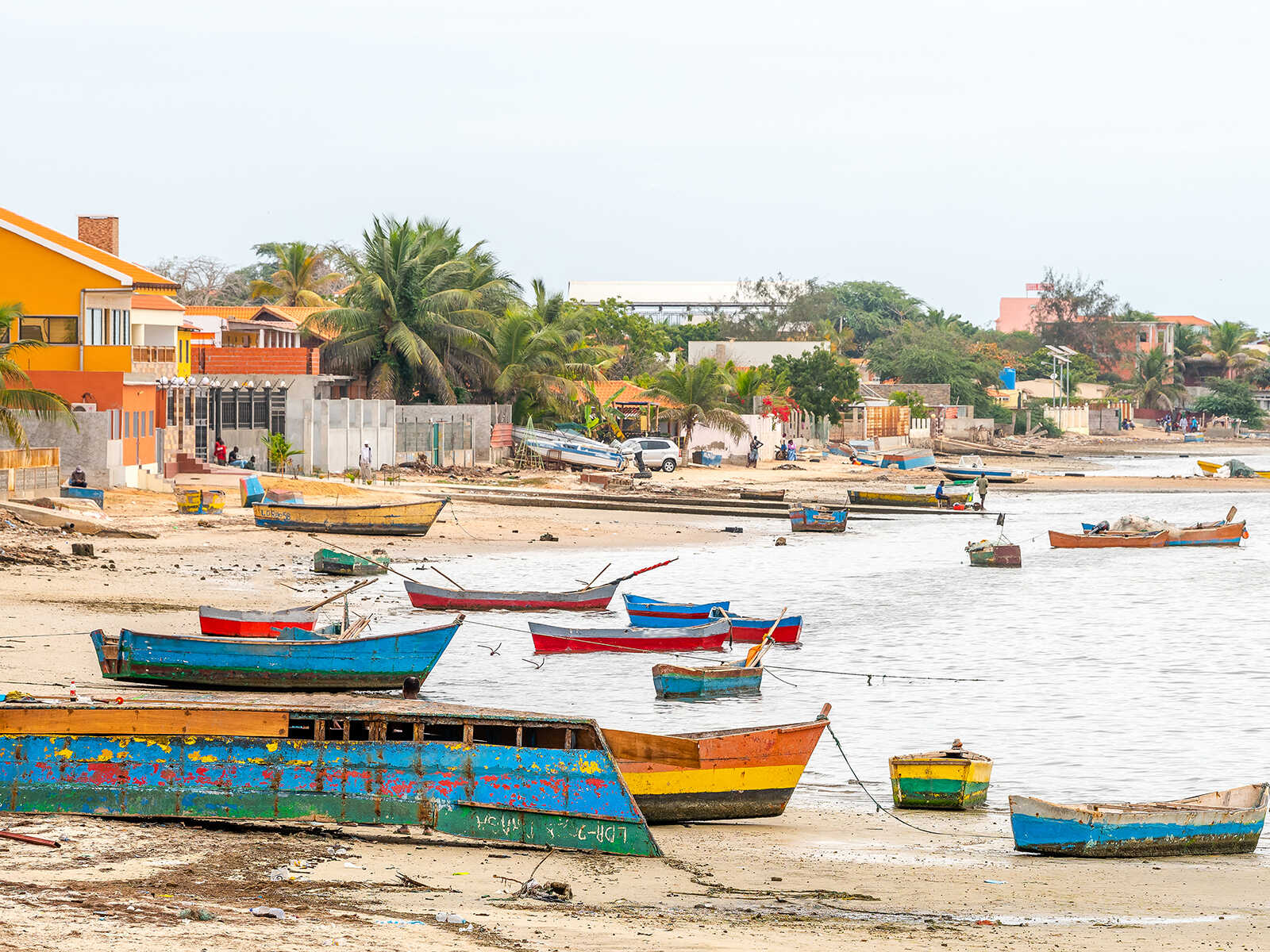
A popular escape from the city heat,Sangano Beach is renowned for its golden sands and refreshing Atlantic waters. Located a reasonable drive south of Luanda, it's an ideal spot for relaxation, swimming, and enjoying fresh seafood at local establishments. The beach offers a more tranquil atmosphere compared to Luanda's urban beaches, making it perfect for a leisurely day trip with family or friends. Many Angolans head here on weekends, creating a lively yet relaxed vibe.
Iconic Multi-Day Adventures and Further Exploration
To truly immerse yourself in Angola's grandeur, consider extending your journey beyond Luanda for multi-day expeditions to some of its most spectacular natural and cultural sites.
Quedas de Kalandula (Kalandula Falls)
Journeying inland to Malanje Province reveals one of Africa's largest waterfalls by volume, the magnificent Quedas de Kalandula. Tumbling over a horseshoe-shaped cliff face, these powerful falls plunge approximately 105 meters (344 feet) and stretch 400 meters (1,300 feet) wide, creating a thunderous roar and a misty spectacle. The sheer scale and raw power of Kalandula Falls are awe-inspiring. Visitors can admire the falls from various viewpoints, including a descent to the base for a truly immersive experience. This requires at least an overnight stay from Luanda, often combined with other attractions in the region.
Did you know?The Kalandula Falls are the second-largest waterfalls in Africa by volume, after Victoria Falls, making them a truly impressive natural wonder to behold.
Pedras Negras (Black Rocks of Pungo Andongo)
Not far from Kalandula Falls, also in Malanje Province, lie the enigmatic Pedras Negras, or Black Rocks of Pungo Andongo. These colossal, strangely shaped rock formations rise dramatically from the flat savanna, creating a landscape that feels both ancient and mysterious. Legend has it that these rocks were once the palace of Queen Nzinga Mbande, a fierce 17th-century warrior queen who resisted Portuguese colonization. Exploring Pedras Negras offers a blend of natural wonder, historical intrigue, and captivating local folklore. It's an essential stop for those visiting Kalandula Falls, making for a rich two-day itinerary.
Tundavala Gap and Serra da Leba (Huíla Province)
For a truly epic adventure, head south to Huíla Province, where the city of Lubango serves as a gateway to some of Angola's most dramatic scenery. The Tundavala Gap is an immense chasm where the central plateau abruptly drops over 1,000 meters (3,280 feet) to the coastal plains below. The panoramic views from the edge are simply spectacular, especially at sunrise or sunset when the landscape is bathed in golden light. Nearby, the winding, serpentine road of Serra da Leba is an engineering marvel, offering incredible vistas as it descends through hairpin bends. Exploring this region typically requires several days, allowing time to soak in the breathtaking vistas and potentially visit other local attractions.
Namibe Province and the Welwitschia Mirabilis
Further south and west, Namibe Province offers a starkly beautiful desert landscape meeting the Atlantic Ocean. This remote region is famous for theWelwitschia mirabilis, a fascinating desert plant endemic to the Namib Desert that can live for over 1,500 years. Guided tours can take you through the desert to witness these ancient botanical wonders and explore the unique desert ecosystem. The contrasting coastal desert and its unique flora provide a distinct Angolan experience, often combined with a visit to the city of Namibe itself.
Practical Tips for Exploring Angola Beyond Luanda
Venturing outside the capital requires some preparation to ensure a smooth and enjoyable trip.
Transportation
- 4x4 Vehicles:Many of Angola's most beautiful natural sites are accessed via unpaved roads, especially during the rainy season. Hiring a reliable 4x4 vehicle, often with a driver, is highly recommended for comfort and safety.
- Domestic Flights:For longer distances, such as to Lubango (Huíla) or Malanje, domestic flights can significantly reduce travel time. Book well in advance.
- Tour Operators:Engaging a reputable local tour operator is often the easiest and safest way to explore. They handle logistics, transportation, and provide knowledgeable guides.
Accommodation
Outside of Luanda and major provincial capitals like Lubango or Malanje, accommodation options can be more limited. It's always advisable to book your lodging well in advance, especially when visiting popular tourist spots or during peak seasons.
Safety and Health
- Local Advice:Always seek current local advice regarding road conditions and safety in specific regions.
- Health Precautions:Consult your doctor about necessary vaccinations (e.g., Yellow Fever is mandatory) and malaria prophylaxis before traveling. Carry a basic first-aid kit.
- Water:Drink bottled or purified water only.
Best Time to Visit
The dry season (May to October) is generally considered the best time to visit Angola for tourism. Roads are more accessible, and wildlife viewing in national parks is often easier as animals congregate around water sources.
Visa Requirements
Angola has specific visa requirements for most foreign visitors. Ensure you apply for and obtain the appropriate visa well in advance of your travel dates.
Conclusion
Angola is a country of immense beauty and untapped potential for adventurous travelers. Moving beyond the vibrant capital of Luanda reveals a kaleidoscope of natural wonders, from dramatic waterfalls and lunar landscapes to ancient rock formations and thriving wildlife parks. With careful planning and an open mind, exploring Angola's diverse regions promises an enriching and unforgettable journey into the heart of Southern Africa.