
The Most Instagrammable Places in Angola: Photo Spots Guide
Angola, a country of striking contrasts and breathtaking natural beauty, is slowly emerging as a compelling destination for intrepid travelers and photographers alike. From dramatic landscapes sculpted by nature to vibrant cityscapes and historical monuments, Angola offers a treasure trove of picturesque locations waiting to be captured through your lens and shared with the world.
Prepare to fill your Instagram feed with awe-inspiring shots as we guide you through the most photogenic spots across this diverse Southern African nation.
Natural Wonders That Demand a Photo
The Lunar Landscape of Miradouro da Lua (Viewpoint of the Moon)
Just south of Luanda, the Viewpoint of the Moon, or Miradouro da Lua, offers an otherworldly spectacle. This natural viewpoint overlooks a series of eroded cliffs and canyons, sculpted by wind and rain over millennia into bizarre, moon-like formations. The rich reddish-brown hues of the earth against the blue sky, especially at sunrise or sunset, create a truly dramatic backdrop for stunning landscape photography. Capture the vastness and the intricate patterns of the erosion for a truly unique shot.
The Majestic Quedas de Kalandula (Kalandula Falls)
Venture into the Malanje Province to witness the sheer power and beauty of the Quedas de Kalandula. As one of Africa's largest waterfalls by volume, these magnificent cascades plunge over a horseshoe-shaped cliff, creating a misty spectacle that is both humbling and incredibly photogenic. Frame your shots to include the lush surrounding vegetation, or capture the raw energy of the water from various viewpoints. Rainbows are often visible on sunny days, adding an extra touch of magic to your photos.
The Dramatic Tundavala Gap
High in the mountains of Huíla Province, near Lubango, lies the Tundavala gap. This incredible natural formation is a massive escarpment where the high plateau suddenly drops away into a vast, verdant valley. The sheer scale of the cliffs and the panoramic views are simply breathtaking. Photographers will love capturing the dramatic drop-offs, the swirling mists that often cling to the peaks, and the expansive horizons. Early mornings are best for soft light and often reveal a mystical cloud inversion.
Mysterious Pedras Negras (Black Rocks of Pungo Andongo)
Another marvel in Malanje, the Pedras Negras, or Black Rocks of Pungo Andongo, are colossal, oddly shaped rock formations that rise dramatically from the flat landscape. Steeped in local legend and history, these monolithic stones offer fantastic opportunities for creative compositions. Play with scale, capture the unique textures of the rocks, and explore the surrounding savanna for wildlife, all under the vast African sky. Their dark, imposing presence makes for striking, almost surreal photographs.
Wildlife Encounters at Parque Nacional do Quicama
For those seeking wildlife photography, the Parque Nacional do Quicama(Kissama National Park) is Angola's only functioning national park. Located close to Luanda, it offers opportunities to photograph giraffes, zebras, elephants, and various antelopes against the backdrop of the Cuanza River and iconic baobab trees. Dawn and dusk safaris provide the best light for capturing wildlife in their natural habitat, ensuring dynamic and compelling images.
Coastal Charms and Beach Bliss
The Pristine Sands of Sangano Beach
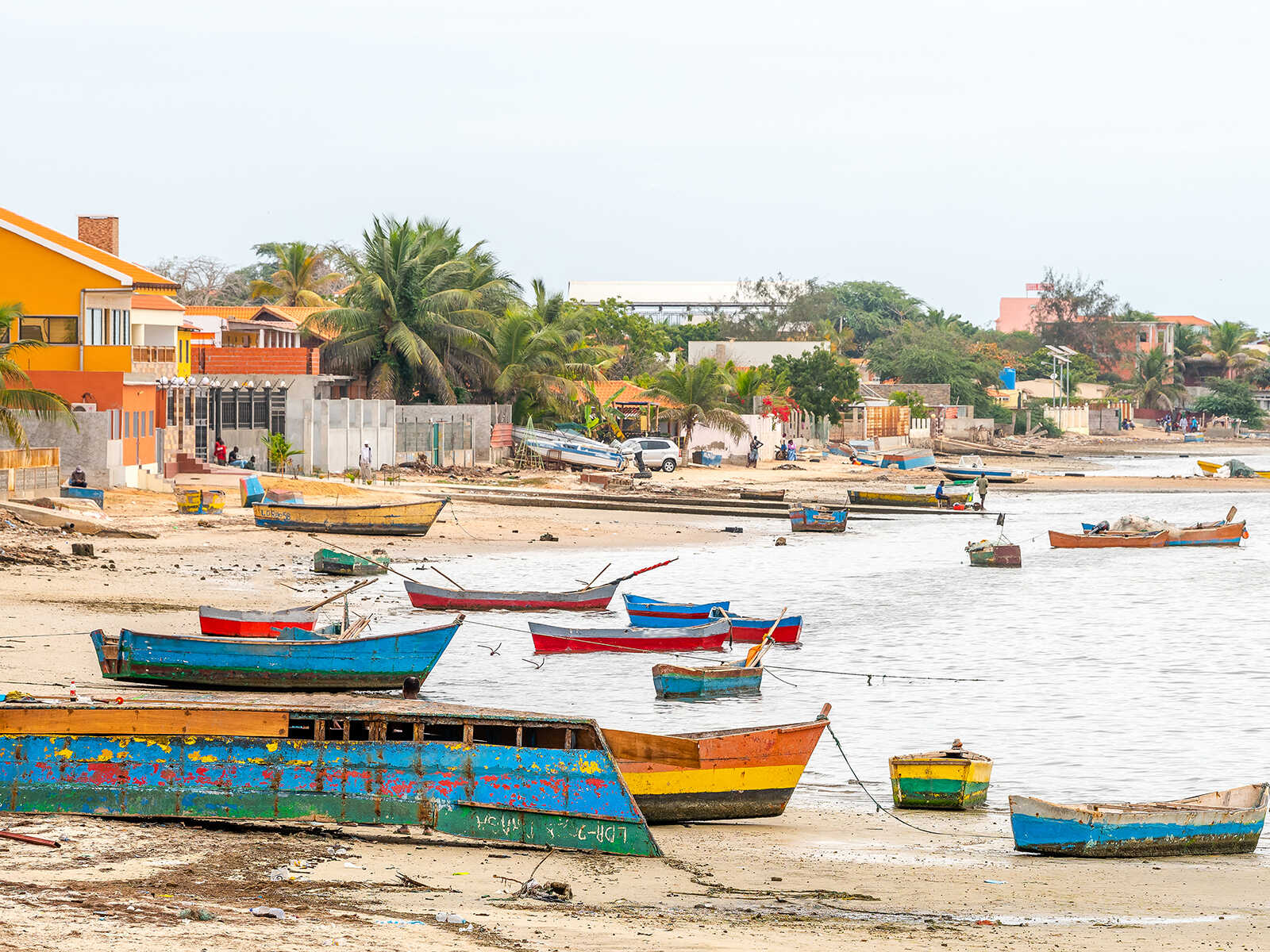
Angola's coastline is dotted with stunning beaches, and Sangano Beach is a prime example of its unspoiled beauty. With its long stretches of white sand, clear turquoise waters, and swaying palm trees, it's an idyllic setting for classic beach photography. Capture the gentle waves, the vibrant fishing boats, or the silhouette of palm trees against a spectacular sunset. Sangano offers a peaceful retreat and endless opportunities for serene, picturesque shots.
Ilha do Mussulo: An Island Escape
Just a short boat ride from Luanda, Ilha do Mussulo is a narrow, sandy peninsula that feels like a secluded island paradise. Fringed with coconut palms and offering calm, warm waters, it's perfect for capturing the essence of a tropical getaway. Photograph the vibrant beach shacks, the local boats, or simply relax and capture the tranquil beauty of the Angolan coast.
Historical Landmarks and Urban Explorations
Fortaleza de São Miguel: A Glimpse into the Past
In the heart of Luanda, the Fortaleza de São Miguel stands as a powerful testament to Angola's colonial history. This well-preserved 16th-century fortress offers panoramic views of Luanda Bay and the city skyline, making it a fantastic spot for both historical and urban landscape photography. Explore its intricate walls, courtyards, and the fascinating museum within, capturing the architectural details and the strategic importance of this landmark. The contrast between old stone and modern city makes for compelling imagery.
Photography Tip:For the best light and fewer crowds at historical sites like Fortaleza de São Miguel, aim for early morning visits. The soft light enhances architectural details and creates beautiful long shadows.
Memorial Agostinho Neto: Modern Architecture and History
Dedicated to Angola's first president, the Memorial Agostinho Neto is an imposing and architecturally striking monument in Luanda. Its distinctive conical shape and grand scale make it a prominent feature of the city's skyline. Photographers can capture its unique design, the surrounding gardens, and the reflective surfaces that play with light. It's a powerful symbol of modern Angola and offers a different aesthetic from the older colonial structures.
The Vibrant Streets of Cidade Alta, Luanda
Wander through Luanda's Cidade Alta (Upper City) to discover a charming mix of colonial-era buildings, bustling markets, and local life. The pastel-colored facades, intricate ironwork balconies, and narrow streets offer endless opportunities for street photography and capturing the authentic urban pulse of Angola's capital. Look for vibrant murals, local vendors, and the everyday interactions that tell a story.
Tips for Your Angolan Photo Safari
- Golden Hours:Always aim to shoot during sunrise and sunset for the most flattering light, often referred to as the "golden hour."
- Respect Local Culture:Always ask permission before photographing people, especially in rural areas. Be mindful and respectful.
- Gear Up:A versatile zoom lens (e.g., 24-70mm or 24-105mm) is excellent for landscapes and street photography, while a telephoto lens (e.g., 70-200mm or beyond) is crucial for wildlife in places like Kissama National Park. Don't forget extra batteries and memory cards!
- Drone Photography:Check local regulations regarding drone usage. Some areas may require permits or be restricted.
- Stay Hydrated & Protected:Angola can be hot. Carry plenty of water, wear sunscreen, and a hat, especially when exploring outdoors.
Angola truly is a photographer's paradise, offering a diverse palette of landscapes, wildlife, history, and vibrant culture. Each location tells a unique story, waiting for you to capture its essence. So pack your camera, embrace the adventure, and get ready to fill your feed with unforgettable Angolan moments!