
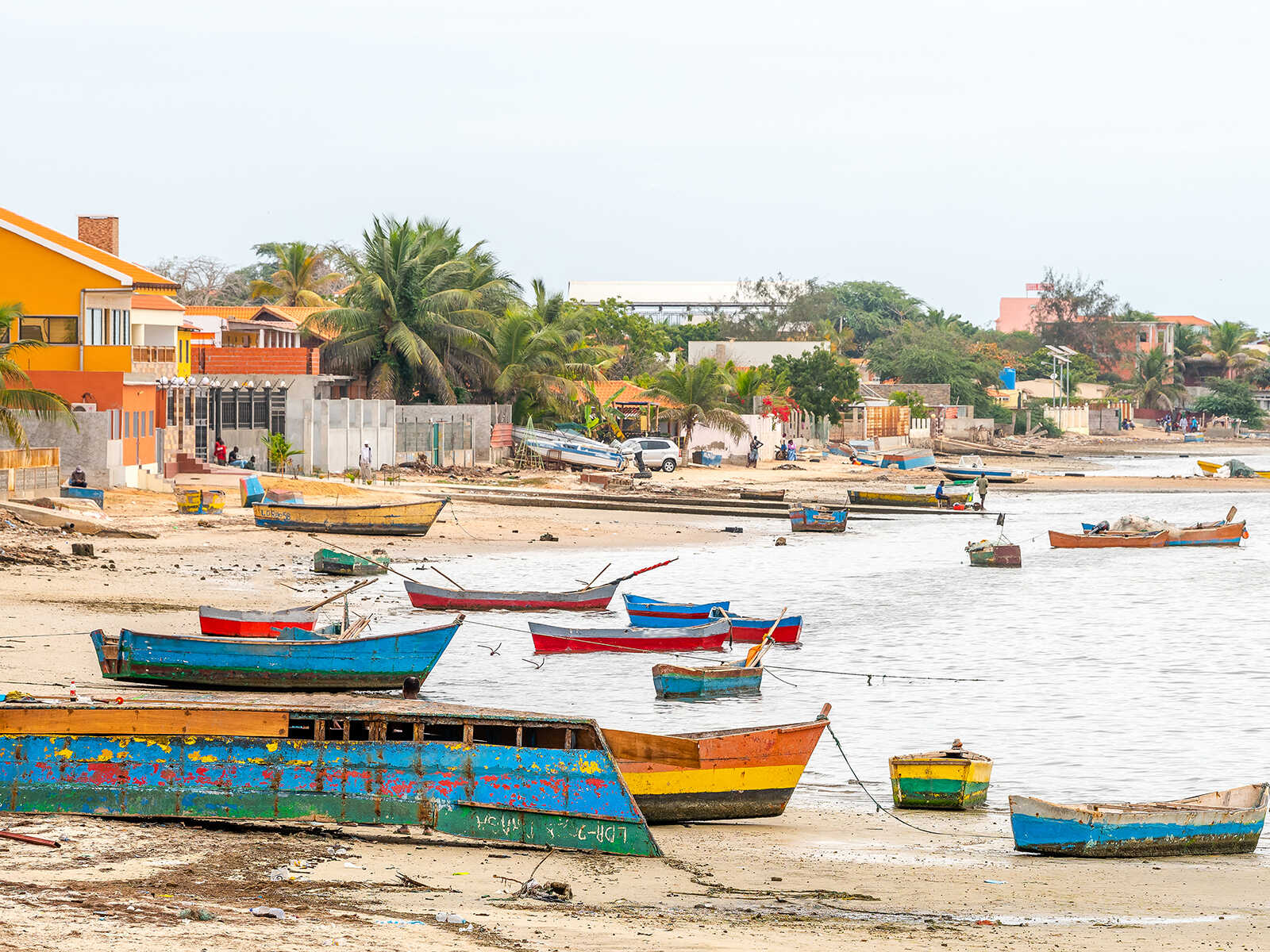
Portuguese Phrases for Angola: Basic Language Guide for Tourists
Embarking on an adventure to Angola promises rich cultural experiences, breathtaking landscapes, and unforgettable memories. While many Angolans in urban centers may have some English proficiency, speaking a few basic Portuguese phrases will significantly enhance your journey, fostering deeper connections with locals and navigating your travels with greater ease.
Portuguese is the official language of Angola, a legacy of its colonial past. Although there are over 40 recognized Bantu languages and dialects spoken across the country, Portuguese serves as the lingua franca, uniting diverse communities and facilitating communication for visitors. Learning even a handful of key phrases demonstrates respect for the local culture and opens doors to more authentic interactions, from bustling markets to serene natural wonders like Quedas de Kalandula or the stunning Viewpoint of the Moon.
Why Learn Portuguese for Your Angolan Trip?
Beyond basic communication, speaking Portuguese offers several advantages for tourists in Angola:
- Cultural Immersion:Engage more authentically with Angolan people, understand their humor, and appreciate their customs.
- Practicality:Navigate public transport, order food, shop in local markets, and ask for directions more confidently.
- Safety and Confidence:In an unfamiliar environment, being able to express basic needs or ask for help can be invaluable.
- Building Rapport:Angolans are generally welcoming, and making an effort to speak their language is often met with warmth and appreciation.
Essential Greetings and Polite Expressions
Starting with greetings is always a good idea. Politeness goes a long way, and Angolans value respectful interactions.
- Hello / Good day:Olá / Bom dia(Used in the morning)
- Good afternoon:Boa tarde(Used from noon until evening)
- Good evening / Good night:Boa noite(Used from evening onwards)
- How are you?:Como está?(Formal) /Tudo bem?(Informal, literally "All good?")
- I'm fine, thank you:Estou bem, obrigado/a(Useobrigadoif you're male,obrigadaif you're female)
- Please:Por favor
- Thank you:Obrigado/a
- Excuse me / Sorry:Com licença(To get attention or pass) /Desculpe(For apologies)
- Yes:Sim
- No:Não
- My name is...:O meu nome é...
- What is your name?:Como se chama?
- Do you speak English?:Fala inglês?
- I don't understand:Não percebo
- Can you repeat?:Pode repetir?
- Slowly:Devagar
Angolan Portuguese vs. European Portuguese:While largely mutually intelligible, Angolan Portuguese has distinct phonological, lexical, and grammatical features influenced by local Bantu languages. Don't worry, standard European Portuguese phrases will be understood, but you might notice differences in accent and some specific vocabulary.
Getting Around and Asking for Directions
Navigating unfamiliar streets, especially in bustling cities like Luanda, becomes much simpler with a few directional phrases. Whether you're heading to Fortaleza de São Miguel or exploring the markets, these will be helpful.
- Where is...? / How do I get to...?:Onde é...? / Como chego a...?
- Bus station:A estação de autocarros
- Airport:O aeroporto
- Hotel:O hotel
- Restaurant:O restaurante
- Market:O mercado
- Beach:A praia(e.g.,Sangano Beach)
- Left:Esquerda
- Right:Direita
- Straight ahead:Sempre em frente
- Here:Aqui
- There:Ali
- How much is the fare?:Quanto custa a passagem?
- Taxi:Táxi
Dining and Shopping
Angolan cuisine is a delightful blend of African, Portuguese, and Brazilian influences. From street food to fine dining, you'll want to be able to order and ask questions. When exploring local crafts or souvenirs, these phrases will also come in handy.
- Menu, please:O menu, por favor
- Water:Água
- Coffee:Café
- Beer:Cerveja
- Delicious!:Delicioso! / Está bom!
- The bill, please:A conta, por favor
- How much is this?:Quanto custa isto?
- Too expensive:Muito caro
- Can I have a discount?:Pode fazer um desconto?
- I would like...:Eu gostaria de...
Numbers (0-20)
Numbers are crucial for everything from negotiating prices to understanding opening hours for attractions like Memorial Agostinho Neto.
- Zero:Zero
- One:Um / Uma(masculine/feminine)
- Two:Dois / Duas
- Three:Três
- Four:Quatro
- Five:Cinco
- Six:Seis
- Seven:Sete
- Eight:Oito
- Nine:Nove
- Ten:Dez
- Eleven:Onze
- Twelve:Doze
- Thirteen:Treze
- Fourteen:Catorze
- Fifteen:Quinze
- Sixteen:Dezasseis
- Seventeen:Dezassete
- Eighteen:Dezoito
- Nineteen:Dezanove
- Twenty:Vinte
Emergencies and Asking for Help
While we hope your trip is smooth, knowing how to ask for help in an emergency is paramount.
- Help!:Socorro! / Ajuda!
- I need a doctor:Preciso de um médico
- Hospital:Hospital
- Police:Polícia
- Emergency:Emergência
- I am lost:Estou perdido/a
- Call the police:Chame a polícia
Cultural Tips for Language Learners in Angola
Beyond the words themselves, understanding a few cultural nuances can greatly enhance your interactions.
- Patience is Key:Angolans appreciate effort. Don't be discouraged if you don't get it right immediately.
- Greetings are Important:Always greet someone before launching into your request. A simple "Bom dia" or "Boa tarde" goes a long way.
- Formal vs. Informal:When in doubt, use formal address (e.g.,Como está?). You'll usually be invited to use informal language if appropriate.
- Hand Gestures:While some gestures are universal, be mindful of local customs. Observing locals is a good way to learn.
- "Tá bom":This ubiquitous phrase means "it's good," "okay," or "alright." You'll hear it constantly and can use it to affirm understanding or agreement.
Phrases for Exploring Angola's Natural Beauty
Angola boasts incredible natural attractions, from the dramatic cliffs of Tundavala Gap and the mystical Pedras Negras to the wildlife of Parque Nacional do Quicama. Here are some phrases to express your awe.
- It's beautiful!:É lindo! / É muito bonito!
- What a view!:Que vista!
- Can I take a photo?:Posso tirar uma fotografia?
- Where is the toilet?:Onde é a casa de banho?
- I love Angola!:Eu adoro Angola!
Learning a few Portuguese phrases for your trip to Angola is more than just practical; it's an invitation to connect, understand, and truly immerse yourself in the vibrant tapestry of this incredible country. Even a small effort can lead to memorable encounters and a richer travel experience. So, pack your bags, practice your "olás," and get ready for an unforgettable Angolan adventure!