
Luanda City Guide: Top Attractions, History & Things to Do
Luanda, the vibrant capital of Angola, is a city of striking contrasts, where historical grandeur meets modern dynamism. Nestled along the Atlantic coast, it serves as the nation's economic heart and a compelling gateway for travelers eager to explore Angola's rich heritage and natural beauty.
From its colonial past to its bustling present, Luanda offers a fascinating blend of cultural experiences, stunning architecture, and lively urban life. This guide will help you navigate its top attractions, delve into its history, and discover the best things to do in this captivating African metropolis.
A Glimpse into Luanda's Rich History
Founded in 1575 by Portuguese explorer Paulo Dias de Novais, Luanda quickly became a critical port in the transatlantic slave trade and later an administrative center for Portuguese colonial rule. Its strategic location and natural harbor made it a significant hub for centuries.
After Angola gained independence in 1975, Luanda faced periods of civil conflict but has since undergone significant reconstruction and modernization. Today, it stands as a testament to resilience, boasting a rapidly evolving skyline and a burgeoning cultural scene that reflects its diverse influences.
Fun Fact:Luanda was originally named "São Paulo da Assunção de Loanda" by the Portuguese, a name that evolved to simply Luanda over time.
Top Attractions in Luanda
Fortaleza de São Miguel
Perched atop a hill overlooking the bay, the Fortaleza de São Miguel is one of Luanda's most iconic landmarks. Built by the Portuguese in 1576, this formidable fortress played a crucial role in the city's defense and the slave trade. Today, it houses the Museum of the Armed Forces, displaying a fascinating collection of historical artifacts, weapons, and statues of Angola's first kings and Portuguese explorers. The fortress also offers breathtaking panoramic views of the city, the port, and Ilha do Cabo.
Memorial Agostinho Neto
A striking monument dominating Luanda's skyline, the Memorial Agostinho Neto is dedicated to Angola's first president, Agostinho Neto. This towering structure, designed in a Soviet constructivist style, houses a museum detailing Neto's life and the history of Angola's struggle for independence. It's a significant site for understanding the nation's modern political history and offers another vantage point for city views.
Museu Nacional de História Natural
For those interested in Angola's biodiversity, the National Museum of Natural History is a must-visit. Located in a beautiful colonial building, the museum showcases a rich collection of Angolan flora and fauna, including taxidermied animals, marine life, and geological exhibits. It provides an insightful look into the country's diverse ecosystems.
Palácio de Ferro (Iron Palace)
An architectural enigma, the Palácio de Ferro is a pre-fabricated iron structure whose origins are still debated. Some attribute its design to Gustave Eiffel (of Eiffel Tower fame), though this remains unconfirmed. Its intricate ironwork and unique style make it a standout building in Luanda. After years of disuse, it has been beautifully restored and now serves as a cultural space, hosting various events and exhibitions.
Miradouro da Lua (Viewpoint of the Moon)
Just south of Luanda, along the road to Barra do Kwanza, lies the breathtaking Miradouro da Lua. This natural wonder features a series of dramatic cliffs and ravines carved by wind and rain, creating a lunar-like landscape of reds, oranges, and browns. It's an ideal spot for photography, especially during sunrise or sunset, offering spectacular views over the Atlantic Ocean.
Ilha do Cabo (Island of Luanda)
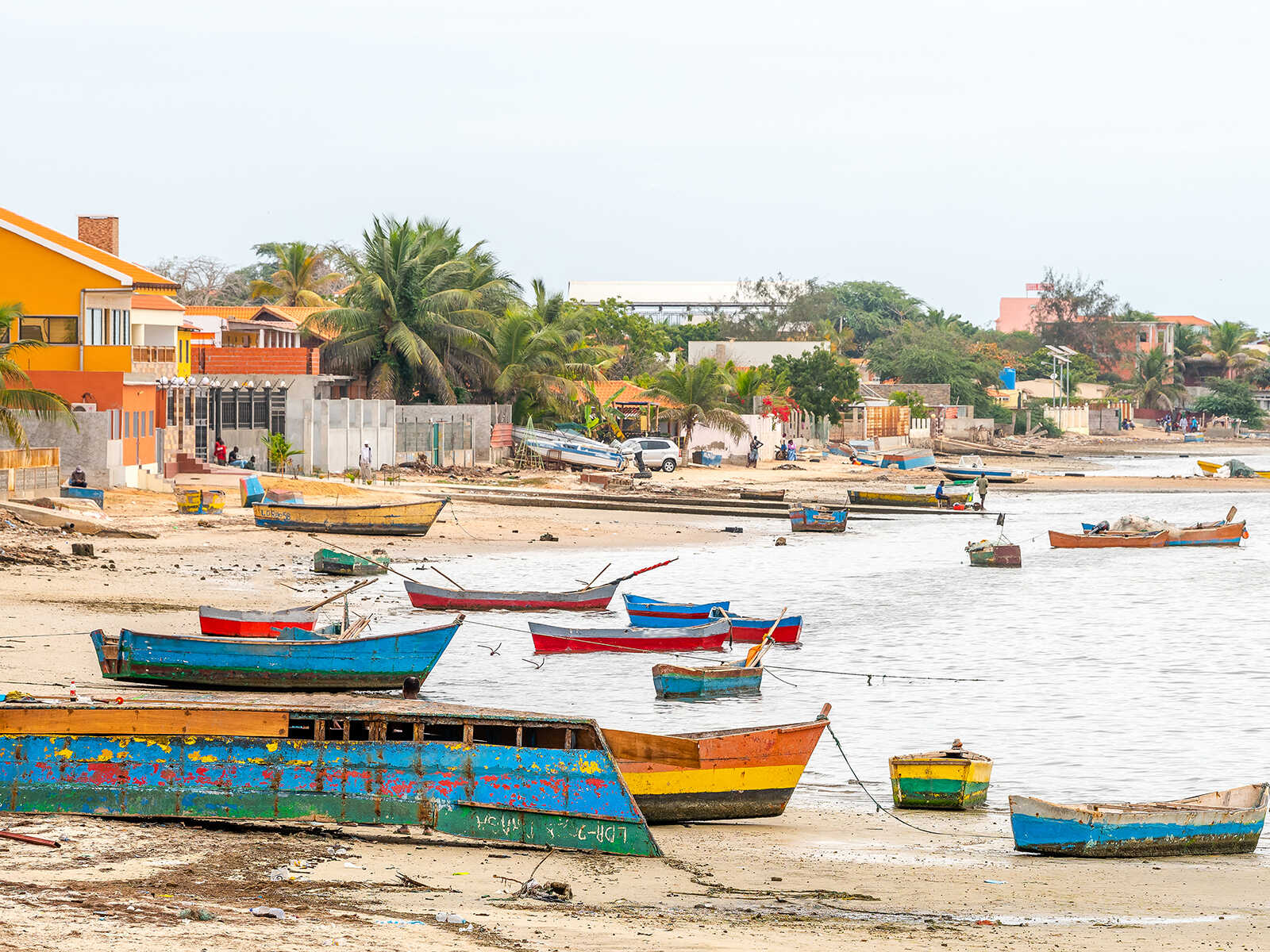
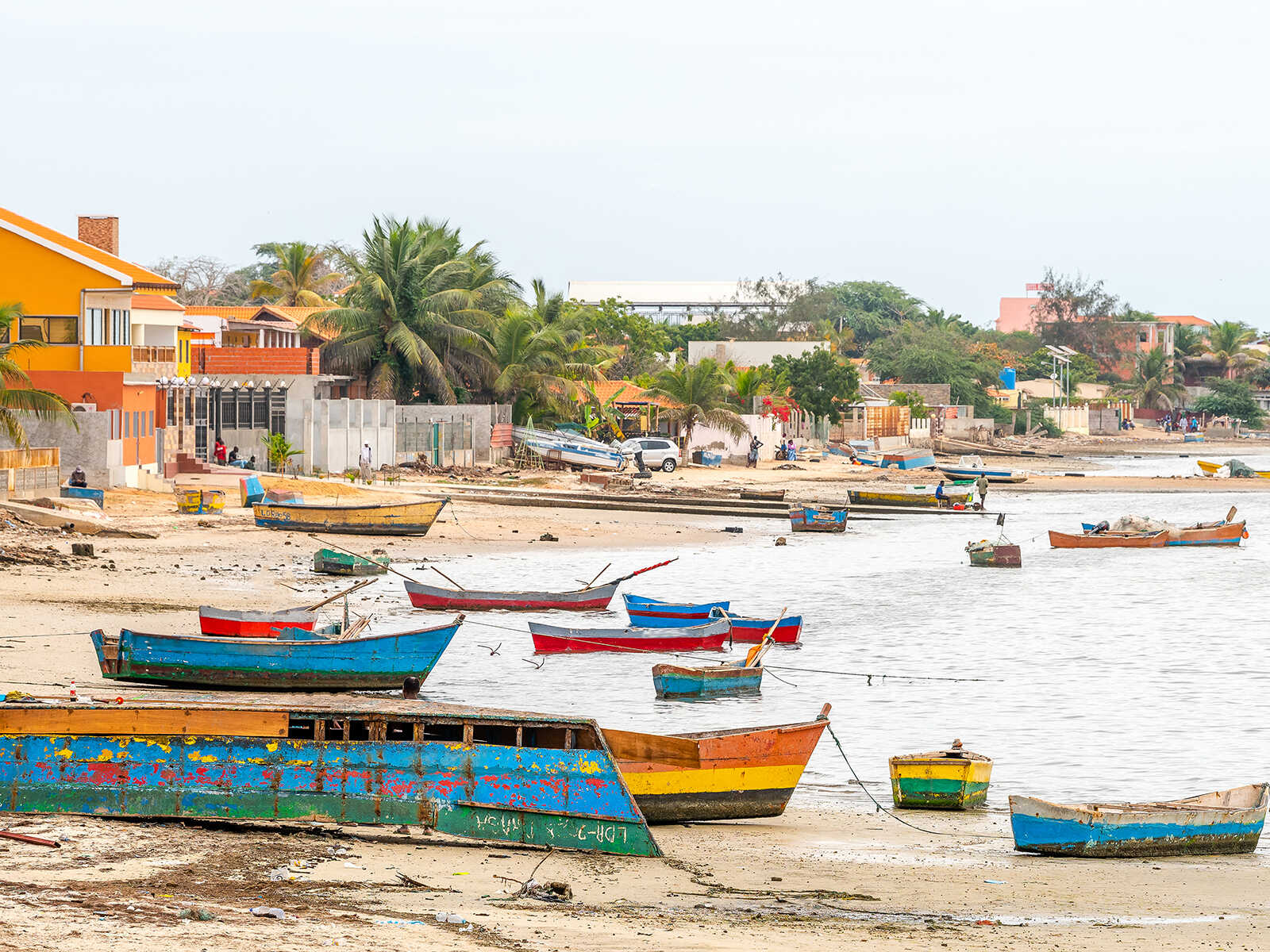
Often simply called "the Ilha," this long, sandy peninsula offers a refreshing escape from the city's hustle. Lined with beautiful beaches, vibrant restaurants, and lively bars, it's the perfect place to relax, swim, or enjoy fresh seafood. The Ilha comes alive in the evenings, with music and dancing, making it a popular spot for both locals and tourists.
Things to Do & Experience in Luanda
Savor Luanda's Culinary Delights
Luanda's culinary scene is a delicious blend of African and Portuguese influences. Seafood is a highlight, with fresh catches like grilled fish (calulu de peixe), prawns, and lobster readily available. Don't miss traditional Angolan dishes such asmoamba de galinha(chicken stew with palm oil),funge(a staple made from cassava flour), andmufete(grilled fish with beans and plantains). Explore local markets and waterfront restaurants for an authentic taste of the city.
Explore Local Markets & Shopping
For a true immersion into local life, visit one of Luanda's bustling markets. The Mercado dos Kwanzas(informally known as Benfica market) is famous for its vibrant atmosphere and wide array of goods, from traditional crafts, sculptures, and paintings to textiles and fresh produce. It's an excellent place to find unique souvenirs and practice your bargaining skills.
Immerse Yourself in Art & Culture
Luanda has a growing art scene, with several galleries showcasing contemporary Angolan artists. Look for spaces hosting exhibitions of painting, sculpture, and photography. The city also pulsates with music, from traditional Angolan genres like semba and kizomba to modern influences. Catch live music performances at local venues, especially on the Ilha, for an unforgettable cultural experience.
Outdoor Activities & Day Trips
- Beach Hopping:Beyond Ilha do Cabo, Luanda's coastline boasts other beautiful beaches such as Palmeirinhas and Sangano Beach, perfect for sunbathing, swimming, and watersports.
- Parque Nacional do Quicama:A relatively short drive south of Luanda,Quicama National Park offers a fantastic opportunity for a safari experience. This vast park is home to a variety of wildlife, including elephants, giraffes, zebras, and various antelopes, making for an exciting day trip into Angola's natural wilderness.
- Kwanza River Excursions:Take a boat trip along the Kwanza River, the longest river entirely within Angola. These excursions offer a chance to spot diverse birdlife and appreciate the lush riverine landscapes.
- Quedas de Kalandula:While a longer journey (requiring an overnight stay for most), the majestic Kalandula Falls, one of Africa's largest waterfalls by volume, is an incredible natural spectacle worth considering for those with more time to explore beyond Luanda.
Practical Tips for Visitors
- Best Time to Visit:The dry season (May to October) is generally considered the best time to visit Luanda, with cooler temperatures and less humidity.
- Getting Around:Taxis and ride-sharing apps are available. For longer distances or day trips, consider hiring a car with a driver.
- Language:Portuguese is the official language. While some people in tourist areas may speak English, learning a few basic Portuguese phrases will be very helpful.
- Currency:The Angolan Kwanza (AOA) is the local currency. US Dollars are often accepted in some establishments, but it's best to have local currency for everyday transactions.
- Safety:Like any major city, it's advisable to be aware of your surroundings, especially in crowded areas or after dark. Keep valuables secure and avoid walking alone in unfamiliar areas at night.
Luanda is a city of constant motion, brimming with history, culture, and a vibrant spirit. Whether you're drawn to its colonial past, its natural wonders, or its modern pulse, the Angolan capital promises an unforgettable travel experience.