
Is Angola Worth Visiting? Uncovering Africa's Hidden Gem
Angola, a vast nation on Africa's southwestern coast, is slowly emerging from decades of isolation, inviting intrepid travelers to discover its raw beauty and rich cultural tapestry. Often overlooked, it presents a unique opportunity for those seeking an authentic African adventure away from the well-trodden tourist paths.
Why Consider Angola? A Unique African Experience
For the discerning traveler, Angola offers an unparalleled journey into a land where nature reigns supreme and history whispers from every corner. Unlike more established tourist destinations, Angola promises an experience of discovery, where pristine landscapes, vibrant cities, and a resilient culture await exploration.
Natural Wonders That Await
Angola's diverse geography is a treasure trove of natural beauty, ranging from dramatic waterfalls to lunar-like landscapes and sprawling national parks. It's a land of contrasts, promising breathtaking vistas at every turn.
- Spectacular Waterfalls:Journey inland to witness the awe-inspiring power of Quedas de Kalandula, Africa's second-largest waterfall by volume. Its colossal cascades plunge into a verdant gorge, creating a truly unforgettable spectacle.
- Wildlife Encounters:For wildlife enthusiasts,Parque Nacional do Quicama offers a chance to see elephants, giraffes, zebras, and various antelopes in their natural habitat, making it a crucial conservation success story.
- Dramatic Landscapes:The southern highlands unveil geological marvels such as the Tundavala gap, a massive chasm offering panoramic views over the vast plains below. Equally captivating are the unique rock formations of Pedras Negras(Black Rocks) in Malanje, shrouded in local legends.
- Otherworldly Scenery:Near Luanda, the Viewpoint of the Moon(Miradouro da Lua) presents an eroded landscape resembling a lunar surface, particularly stunning at sunset.
Rich History and Vibrant Culture
Angola's past is as complex as its landscapes, marked by centuries of Portuguese colonial rule, a protracted struggle for independence, and a devastating civil war. Today, these layers of history are visible in its architecture, museums, and the spirit of its people.
- Colonial Heritage:In Luanda, the capital, the imposing Fortaleza de São Miguel stands as a testament to its colonial past, offering insights into the slave trade and the city's strategic importance.
- Modern History:The striking Memorial Agostinho Neto pays tribute to Angola's first president, a pivotal figure in the nation's independence movement.
Angolan culture is a vibrant fusion, expressed through its rhythmic music (Kizomba, Semba), diverse cuisines featuring fresh seafood and local staples like funge, and a strong sense of community. Engaging with locals often reveals stories of resilience, warmth, and an infectious zest for life.
Did you know?Kizomba, a popular music and dance genre with sensual movements, originated in Angola in the 1980s and has since gained international popularity.
Pristine Beaches and Coastal Escapes
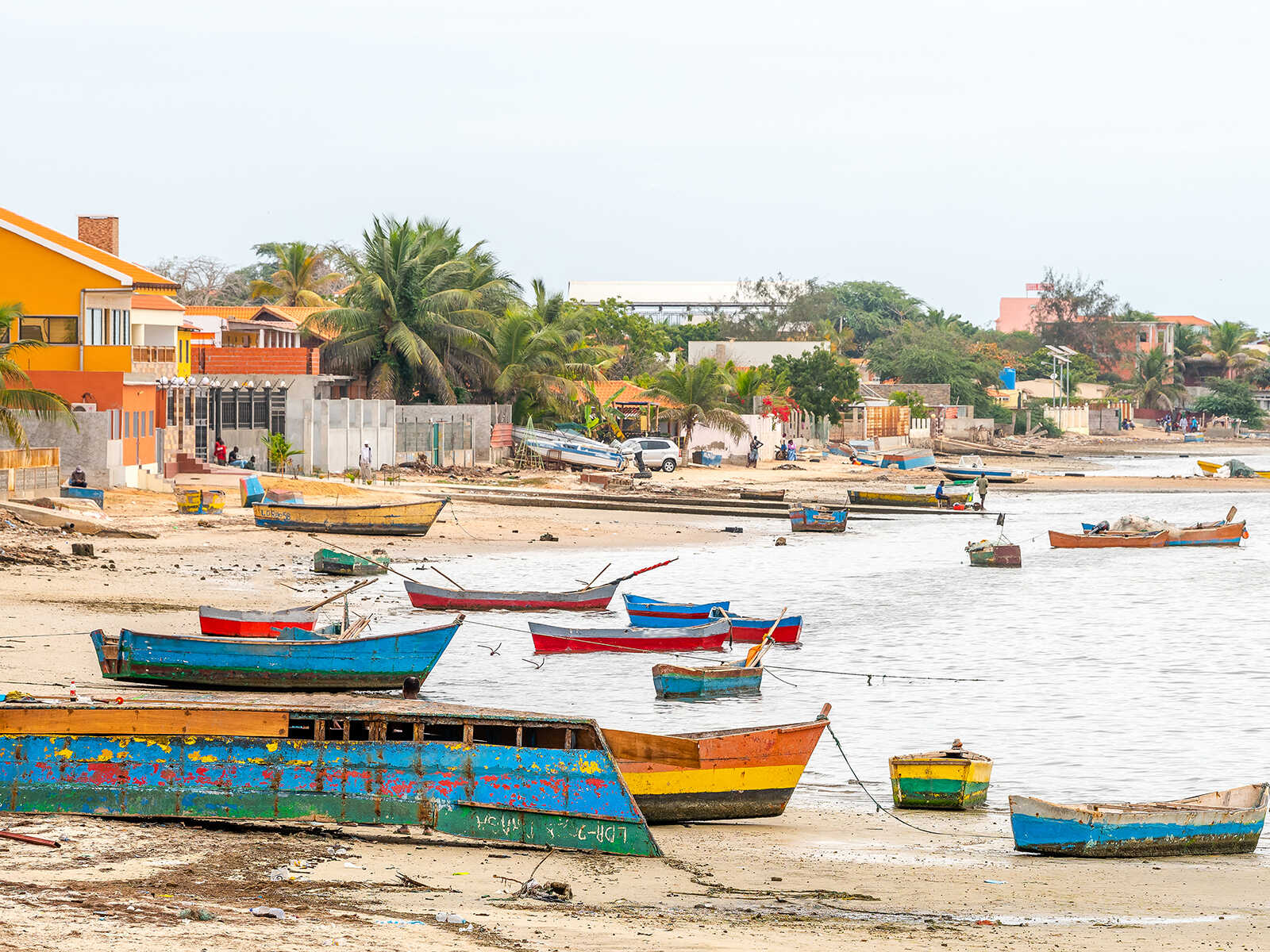
Angola's extensive coastline along the Atlantic Ocean boasts a collection of stunning, often deserted beaches. These offer perfect retreats for relaxation, water sports, and enjoying the fresh ocean breeze.
- Idyllic Retreats:Just south of Luanda,Sangano Beach is a popular escape known for its golden sands and calm waters, ideal for swimming and sunbathing.
- Untouched Shores:Further south, the beaches become even more secluded, offering vast stretches of untouched sand where you can feel like you have the entire coastline to yourself. Many are excellent for fishing, surfing, or simply unwinding by the ocean.
Navigating Angola: Practical Considerations for Travelers
While Angola offers immense rewards, it's essential to approach travel here with careful planning and an understanding of its unique challenges. This is not a 'turnkey' tourist destination, but rather one that rewards the prepared and patient.
Visa and Entry Requirements
Visa requirements for Angola can be complex and vary by nationality. It is crucial to check the latest regulations with the Angolan embassy or consulate in your country well in advance of your trip. Obtaining a visa often requires specific documentation and sufficient processing time.
Getting Around
Transportation within Angola can be an adventure in itself. Luanda has an extensive road network, though traffic can be heavy. Inter-city travel often involves domestic flights, which are generally reliable. For exploring natural sites, hiring a private vehicle with an experienced driver is highly recommended, especially given varying road conditions outside major cities.
Safety and Health
As with any developing nation, exercising caution is advisable. Petty crime can occur in urban areas, so vigilance and common-sense precautions are important. Health-wise, consult your doctor about necessary vaccinations (Yellow Fever is mandatory) and malaria prophylaxis before traveling. Access to high-quality medical facilities is limited outside Luanda.
Best Time to Visit
The dry season, from May to October, is generally considered the best time to visit Angola. During these months, the weather is cooler and drier, making it ideal for wildlife viewing, exploring natural attractions, and enjoying the beaches. The wet season, from November to April, can bring heavy rains that might make some roads impassable.
Language and Communication
The official language of Angola is Portuguese. While some people in urban areas, particularly those in the tourism and business sectors, may speak a degree of English, learning a few basic Portuguese phrases will greatly enhance your experience and interactions with locals.
The Angolan Experience: What to Expect
Traveling to Angola is not just about visiting places; it's about immersing yourself in an authentic, evolving narrative. Expect the unexpected, embrace the challenges, and be open to genuine connections.
A Developing Tourism Infrastructure
Angola's tourism infrastructure is still in its nascent stages compared to other African nations. This means fewer established tour operators, less standardized accommodation outside Luanda, and a greater need for independent planning or reliance on local expertise. This can be part of its charm, offering a raw, unfiltered travel experience that is increasingly rare.
Authenticity and Adventure
For those who crave adventure and an authentic encounter with a destination still largely untouched by mass tourism, Angola delivers. It's a place where you can genuinely feel like an explorer, uncovering hidden gems and forging unique memories. The Angolan people, known for their warmth and resilience, are often eager to share their culture and traditions with respectful visitors.
Conclusion: Is Angola Right for You?
Angola is not for every traveler. It demands patience, adaptability, and a spirit of adventure. However, for those willing to venture beyond the familiar, it offers an incredibly rewarding journey. It's a land of striking natural beauty, profound history, and a vibrant culture waiting to be discovered. If you seek an authentic, off-the-beaten-path African experience that challenges perceptions and leaves a lasting impression, then Angola is undoubtedly worth visiting.