
Is Angola Safe for Tourists? Essential Safety Tips & Advice
Angola, a nation rich in natural beauty and cultural heritage, is gradually opening its doors to international tourism. While it offers unique and unforgettable experiences, understanding the safety landscape is crucial for any prospective visitor. This comprehensive guide provides essential safety tips and advice to help you navigate Angola confidently and responsibly.
Understanding Angola's Safety Landscape
Angola’s journey from conflict to peace has been transformative, leading to significant development and increased stability. While the country is generally safe for tourists, particularly in major cities and popular tourist areas, it's vital to be aware of certain considerations.
A Nation in Transition
Decades of civil war left a lasting impact, but Angola has made remarkable strides in rebuilding its infrastructure and economy. Today, it’s a vibrant country eager to share its wonders. However, some areas still face challenges, and poverty can lead to petty crime, especially in crowded urban centers.
Common Tourist Concerns
Like many emerging destinations, tourists in Angola may encounter issues such as petty theft, opportunistic scams, and road safety challenges. Health precautions are also paramount. Being informed and prepared can significantly mitigate these risks, allowing you to focus on the incredible experiences Angola offers.
Did you know?Angola is one of the most biodiverse countries in Africa, home to unique wildlife and stunning landscapes, from the Atlantic coast to vast savannas and rainforests.
General Safety Tips for Tourists in Angola
Preparation and awareness are your best allies when traveling in Angola. Adhere to these general guidelines for a smoother and safer trip:
- Research and Plan Ahead:Understand the areas you plan to visit. Some regions may have specific advisories.
- Register Your Travel:Inform your embassy or consulate of your travel plans, especially if visiting remote areas.
- Cultural Sensitivity:Respect local customs and traditions. Dress modestly, particularly when visiting religious sites or rural communities.
- Protect Valuables:Keep passports, cash, and expensive electronics secure and out of sight. Use hotel safes when available.
- Be Discreet with Money:Avoid openly displaying large sums of cash. Use ATMs in secure, well-lit locations during daylight hours.
- Learn Basic Portuguese:Even a few phrases can greatly enhance your interactions and demonstrate respect.
- Choose Reputable Services:Opt for established tour operators, hotels, and transport providers.
Navigating Urban Areas (Luanda and other cities)
Luanda, the capital, is a bustling metropolis. While vibrant, it requires a degree of caution:
- Walking Safely:Avoid walking alone at night, especially in dimly lit or deserted areas. During the day, be aware of your surroundings.
- Taxis:Use licensed taxis (often blue and white) or ride-sharing apps if available and recommended by your accommodation. Negotiate fares before starting your journey or ensure the meter is used.
- Nightlife:Enjoy Luanda's vibrant nightlife, but always travel in groups and use trusted transportation. Be mindful of your drinks and belongings.
- Historical Sites:When visiting landmarks like the Fortaleza de São Miguel or the Memorial Agostinho Neto, keep an eye on your personal items.
Road Safety and Transportation
Road conditions in Angola can vary significantly, especially outside major cities:
- Driving:If you plan to drive, be prepared for challenging conditions including potholes, unpaved roads, and aggressive driving styles. Avoid driving at night, particularly in rural areas, due to poor lighting and potential hazards.
- Public Transport:Buses and shared taxis (candongueiros) are common but can be overcrowded and less safe for tourists due to petty crime risks.
- Car Hire:For longer journeys or exploring rural areas, consider hiring a reputable vehicle with a local driver. This adds a layer of safety and local expertise.
Health and Medical Preparations
Health precautions are crucial for travel to Angola:
- Vaccinations:Consult your doctor well in advance for recommended vaccinations, including Yellow Fever (often mandatory for entry), Hepatitis A and B, Typhoid, and Tetanus.
- Malaria:Angola is a malaria-risk area. Take anti-malarial medication as prescribed, use insect repellent, and sleep under mosquito nets.
- Travel Insurance:Comprehensive travel insurance, including medical evacuation, is highly recommended.
- Water and Food Safety:Drink bottled or purified water only. Be cautious with street food and ensure all food is thoroughly cooked.
Exploring Angola's Natural Wonders and Attractions Safely
Angola boasts breathtaking natural beauty, from vast national parks to stunning waterfalls. Safe exploration is key to enjoying these treasures.
National Parks and Wildlife Safaris
When venturing into wildlife areas, like Parque Nacional do Quicama, always prioritize safety:
- Guided Tours:Always go with experienced and licensed guides. They know the terrain, wildlife behavior, and safety protocols.
- Respect Wildlife:Maintain a safe distance from animals. Never feed them or try to attract their attention.
- Follow Instructions:Adhere strictly to your guide's advice and park rules.
Beaches and Coastal Areas
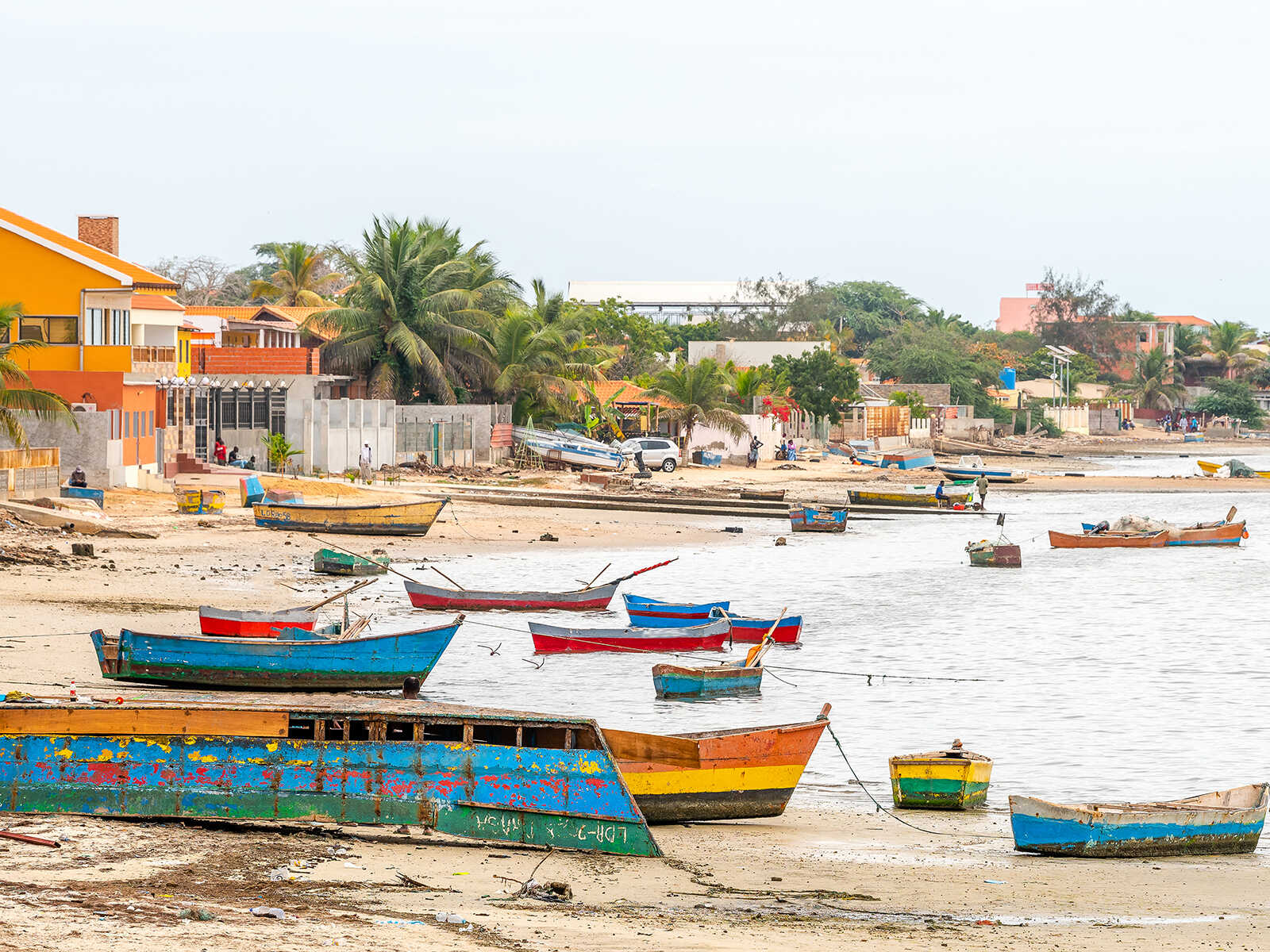
Angola's coastline, including beautiful spots like Sangano Beach, offers relaxation but requires caution:
- Swimming Safety:Be aware of strong currents, especially outside designated swimming areas. Lifeguards may not always be present.
- Personal Belongings:Do not leave valuables unattended on the beach.
Inland Adventures
Angola's interior holds incredible sights, from the majestic Quedas de Kalandula to the geological marvels of Pedras Negras, the dramatic Tundavala gap, and the otherworldly Viewpoint of the Moon.
- Guided Expeditions:For remote or challenging terrain, always travel with local guides or as part of an organized tour.
- Terrain Awareness:Wear appropriate footwear for hiking and be mindful of uneven surfaces and slippery conditions.
- Stay Hydrated:Carry sufficient water, especially when exploring in hot climates.
Cultural Sensitivity and Local Etiquette
Showing respect for local customs not only enhances your experience but also contributes to your safety by fostering positive interactions.
- Dress Code:Outside of beach areas, dress modestly, especially women. Shoulders and knees covered are generally appreciated.
- Photography:Always ask permission before photographing people, especially children. Be discreet when taking photos in public places.
- Greetings:A simple "Olá" (Hello) or "Bom dia/tarde/noite" (Good morning/afternoon/evening) goes a long way.
- Bargaining:In markets, bargaining is common and expected, but do so respectfully and with a friendly demeanor.
Emergency Information and Resources
Knowing who to contact in an emergency is paramount:
- Emergency Numbers:
- Police: 113
- Ambulance: 112
- Fire: 115
- Embassy/Consulate:Keep your country's embassy or consulate contact information handy.
- Travel Insurance:Ensure you have the contact details for your travel insurance provider readily accessible.
The Bottom Line: Is Angola Safe for You?
Angola is a destination brimming with potential, offering a unique blend of history, culture, and natural beauty that is largely untouched by mass tourism. While it presents some safety considerations common to many developing nations, with careful planning, vigilance, and respect for local customs, a trip to Angola can be incredibly rewarding and safe.
By following these essential safety tips and advice, you can minimize risks and fully immerse yourself in the wonders of Angola, creating memories that will last a lifetime. Prepare well, stay aware, and embark on an unforgettable adventure.