
Exploring Angola's Wildlife: A Guide to Parque Nacional do Quicama
Angola, a country of diverse landscapes and rich natural heritage, is home to a remarkable conservation success story:Parque Nacional do Quicama. This guide offers an in-depth look into Angola's premier wildlife destination, detailing its history, its incredible array of wildlife, and essential tips for planning your unforgettable safari adventure.
Angola's Crown Jewel: The Story of Quicama
Parque Nacional do Quicama, often simply called Quicama National Park, lies just south of Angola's bustling capital, Luanda. Established in 1957, the park encompasses a vast area of savannah, dry forest, and coastal wetlands, bordering the Atlantic Ocean and the mighty Kwanza River. For many years, like much of Angola's natural heritage, Quicama suffered immensely during the civil war, with its once-thriving wildlife populations decimated by poaching and habitat destruction.
However, the post-conflict era brought a beacon of hope. In a monumental effort known as "Operation Noah's Ark," a pioneering rewilding initiative began in the early 2000s. Animals from South Africa and Botswana were airlifted and reintroduced into the park, marking a new chapter for Angolan conservation. This ambitious project has transformed Quicama into a symbol of resilience and a testament to the power of dedicated conservation.
Did you know?Operation Noah's Ark was one of Africa's largest ever animal translocation projects, successfully reintroducing thousands of animals into Quicama National Park.
The Thriving Wildlife of Quicama
Today,Quicama National Park is once again a vibrant ecosystem supporting a diverse range of species. While it may not boast the "Big Five" in the same numbers as some more established African parks, it offers a unique and intimate safari experience, showcasing the incredible recovery of its wildlife.
Mammals
- Angolan Sable Antelope:The park is a critical sanctuary for the magnificent Angolan sable, a subspecies known for its impressive, scimitar-shaped horns. This iconic animal is a symbol of Angola's natural beauty and a prime target for wildlife enthusiasts.
- Elephants:Reintroduced herds of African elephants now roam the park, a powerful reminder of its recovery.
- Giraffes:Towering giraffes gracefully browse the acacia trees, adding to the park's scenic beauty.
- Zebras and Wildebeest:Large herds of plains zebras and blue wildebeest are a common sight, providing dynamic photographic opportunities.
- Antelopes:Look out for various antelope species, including common eland, impala, and kudu.
- Predators:While less frequently sighted, the park is home to smaller predators like jackals and various cat species. Efforts are ongoing to reintroduce larger predators.
Birdlife
For birdwatchers, Quicama is a paradise. Its diverse habitats, from coastal areas to riverine forests along the Kwanza, attract a spectacular array of avian species. Expect to see raptors, water birds, vibrant bee-eaters, hornbills, and a multitude of endemic and migratory species. The Kwanza River estuary, in particular, is a hotspot for aquatic birds.
Planning Your Quicama Safari: Practical Tips
A visit to Parque Nacional do Quicama requires some planning, but the rewards are immense. Here's what you need to know:
Best Time to Visit
Thedry season(typically May to October) is generally considered the best time for wildlife viewing. During these months, vegetation is sparser, and animals congregate around water sources, making them easier to spot. The roads are also in better condition, making travel within the park more manageable.
Getting There
The park is approximately 70-100 km south of Luanda, depending on your entry point. A4x4 vehicleis highly recommended, especially during the wet season, as roads can be sandy or muddy. Many visitors opt for organized tours from Luanda, which include transport, guides, and park fees.
Accommodation
Several lodging options are available both within and just outside the park, ranging from more rustic tented camps to comfortable lodges. It is advisable to book your accommodation well in advance, especially during peak season, to ensure availability.
Activities Within the Park
- Game Drives:The primary activity in Quicama is the game drive. Led by experienced local guides, these drives offer the best chance to spot the park's diverse wildlife. Morning and late afternoon drives are ideal for catching animals at their most active.
- Boat Safaris on the Kwanza River:The park's border along the Kwanza River provides a unique opportunity for boat safaris. These offer a different perspective on the wildlife, particularly for birdwatching, and a chance to spot hippos or crocodiles along the riverbanks.
- Walking Safaris:Some lodges may offer guided walking safaris, allowing for a more immersive experience, though these are typically restricted to specific, safer areas.
What to Bring
To make the most of your safari, pack essentials such as:
- Binoculars and a good camera with a zoom lens
- Sunscreen, a wide-brimmed hat, and sunglasses
- Insect repellent
- Light, neutral-coloured clothing (long sleeves and trousers for sun and insect protection)
- Comfortable closed-toe shoes
- Plenty of drinking water and snacks
- A small first-aid kit
Embracing the Safari Experience
A safari in Quicama National Park is an opportunity to connect with nature and witness a remarkable conservation success story. The experience is often more intimate and less crowded than in some of Africa's larger, more famous parks, allowing for a deeper appreciation of the wild. Always follow your guide's instructions, maintain a respectful distance from wildlife, and stay within designated areas to ensure your safety and the well-being of the animals.
Beyond the Park: Nearby Attractions
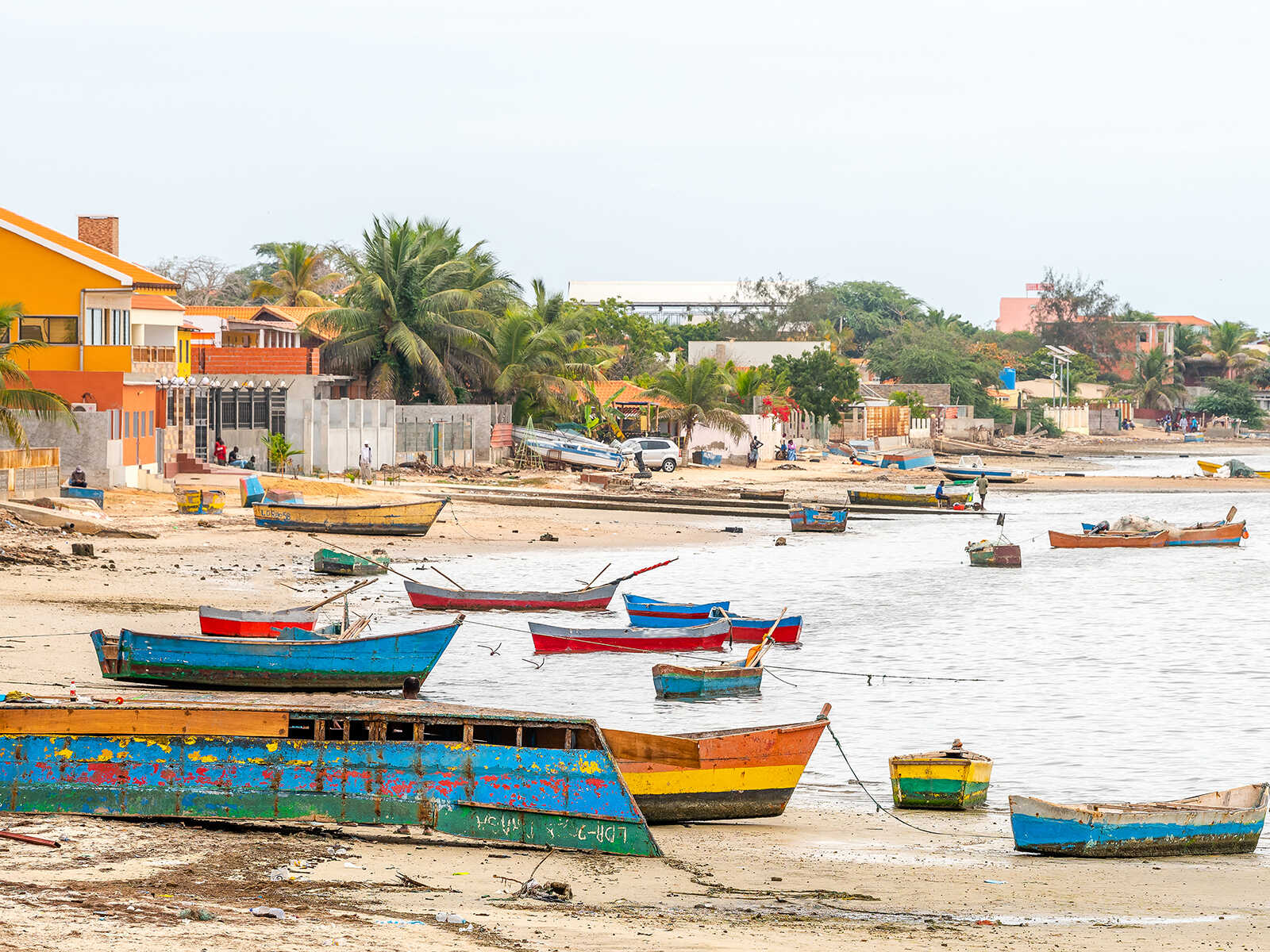
Given its proximity to Luanda, a visit to Quicama can easily be combined with other fascinating Angolan sights. On your journey to or from the park, consider a stop at the breathtaking Viewpoint of the Moon(Miradouro da Lua), an otherworldly landscape of eroded cliffs and canyons. For those looking to extend their coastal experience after the safari, the serene shores of Sangano Beach are also within a reasonable drive, offering a perfect spot for relaxation.
Conclusion
Parque Nacional do Quicama stands as a powerful symbol of Angola's commitment to preserving its natural heritage. It offers an incredible opportunity to witness wildlife thriving against all odds and to be part of a meaningful conservation journey. From the iconic Angolan sable to the majestic elephants and the vibrant birdlife along the Kwanza River, a safari in Quicama is an enriching and unforgettable experience, inviting you to discover the wild heart of Angola.