
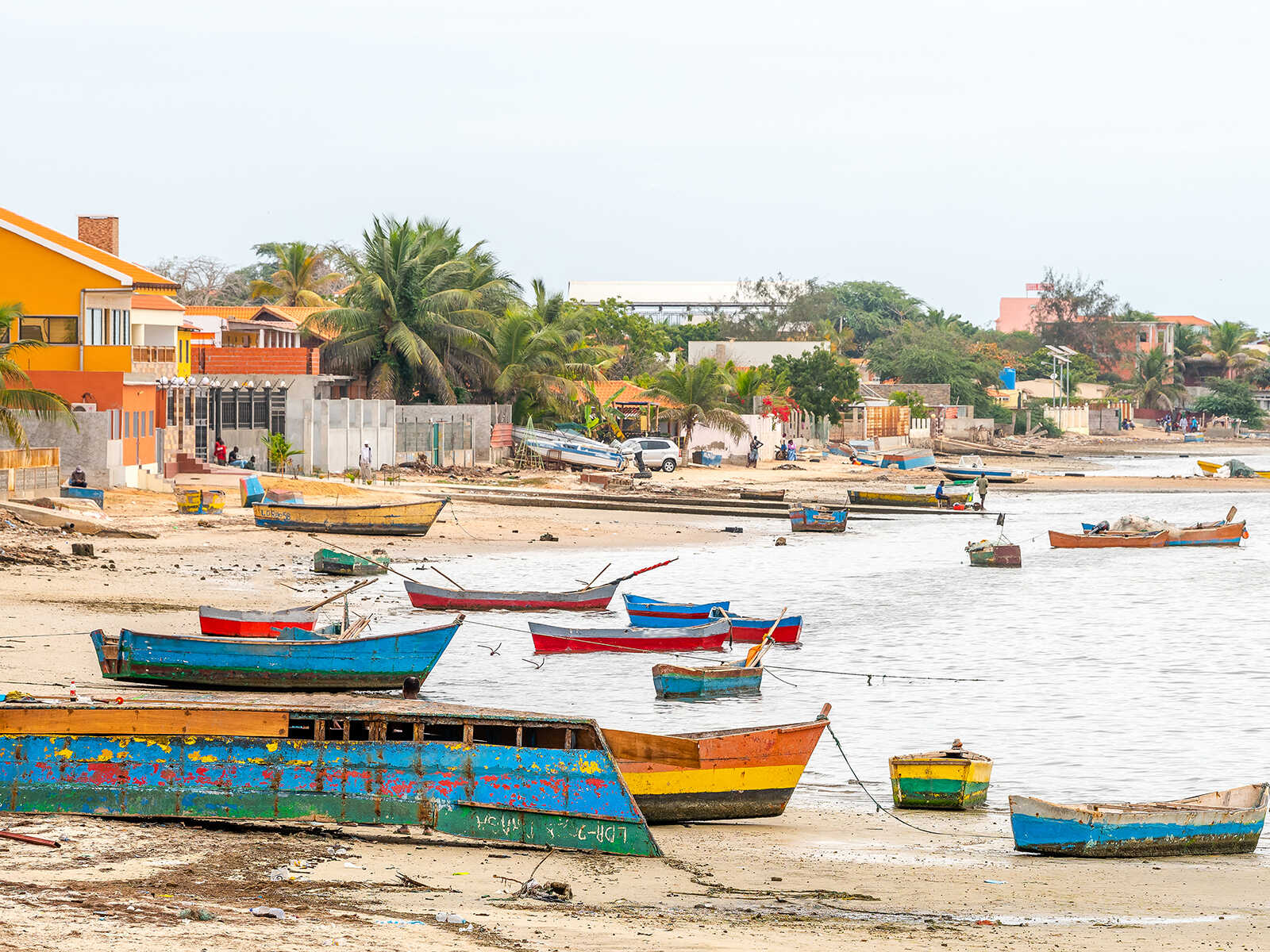
Driving in Angola: Tips for Self-Driving Adventures in Angola
Angola, a land of vast landscapes and rich culture, offers an unparalleled adventure for those willing to explore beyond the beaten path. Self-driving provides the ultimate freedom to discover its hidden gems, from pristine coastlines to dramatic highlands. Prepare for an unforgettable journey through this captivating Southern African nation.
Before You Go: Essential Preparation
Embarking on a self-driving trip in Angola requires careful planning. Proper preparation is key to a smooth and enjoyable adventure.
Vehicle Choice and Rental
For most of Angola, especially if you plan to venture outside major cities, areliable 4x4 vehicle is highly recommended. Many roads in rural areas are unpaved, sandy, or heavily potholed. Look for rental companies in Luanda that offer well-maintained vehicles, often equipped with extra fuel tanks and recovery gear. Always inspect the vehicle thoroughly before departing.
Documentation
Ensure you have all necessary paperwork:
- Your valid national driving license.
- AnInternational Driving Permit (IDP)is legally required and highly recommended.
- Vehicle registration documents and proof of ownership/rental agreement.
- Your passport and Angolan visa.
- Proof of third-party insurance (usually provided by the rental company).
Insurance
Beyond the mandatory third-party insurance, consider comprehensive coverage that includes off-road driving, breakdown assistance, and medical evacuation. Check the terms carefully, especially regarding remote travel.
Navigation & Communication
Reliable navigation is crucial. GPS devices with updated Southern Africa maps, or smartphone apps like Maps.me or Gaia GPS with offline maps, are invaluable. Mobile network coverage can be sporadic outside urban centers, so consider purchasing a local SIM card upon arrival. For very remote expeditions, a satellite phone might be a wise investment for emergencies.
Packing Essentials
Think self-sufficiency. Your packing list should include:
- Basic toolkit and spare parts (tyre repair kit, extra tyres, jump leads, essential fluids).
- First-aid kit (comprehensive, including anti-malaria medication if advised).
- Sufficient water and non-perishable food supplies.
- Extra fuel canisters, especially for longer stretches between towns.
- Recovery gear: shovel, tow rope, sand ladders (if tackling sandy areas).
- Camping equipment if you plan to stay in remote areas.
On the Road: Navigating Angola's Terrain
Angola's road network is improving, but conditions vary dramatically. Be prepared for anything from smooth asphalt to challenging dirt tracks.
Road Conditions
Major routes connecting provincial capitals are often paved and in decent condition. However, many secondary roads, particularly in the interior, remain unpaved, dusty, or muddy depending on the season. Expect potholes, corrugations, and even occasional washed-out sections. Always drive defensively and adjust your speed to the conditions.
Travel Tip:During the rainy season (roughly November to April), unpaved roads can become impassable. Always check local conditions and forecasts before setting off into rural areas.
Fuel Availability
Fuel stations are common in cities and larger towns. However, outside these areas, they can be sparse. It’s always best to fill up whenever you have the opportunity and carry extra fuel, especially if heading to remote destinations like Parque Nacional do Quicama or the southern provinces.
Traffic & Driving Style
In urban centers like Luanda, traffic can be chaotic, with aggressive driving styles, frequent lane changes, and a prevalence of motorcycles. Outside cities, roads can be remarkably empty. Locals often drive fast, and livestock (goats, cattle) can be found on roads, especially in rural areas. Always exercise caution and anticipate unexpected maneuvers.
Speed Limits & Road Signs
Speed limits are generally 60 km/h in urban areas and 90-120 km/h on national roads, but these are not always clearly marked or strictly adhered to. Road signs are typically in Portuguese. Familiarize yourself with basic Portuguese traffic terms before you go.
Checkpoints
You will encounter numerous police and military checkpoints throughout Angola. Be polite, patient, and have your documents (passport, visa, driving license, vehicle papers) readily available. Most checks are routine, but occasional requests for "donations" might occur. Remaining calm and polite, while firmly but respectfully refusing, is usually the best approach.
Safety and Security
While generally safe, awareness and caution are paramount for self-driving in Angola.
General Awareness
Avoid driving at night outside of well-lit city areas due to poor road conditions, unlit vehicles, and potential security risks. Keep valuables out of sight, and when parking, choose secure locations. Always lock your doors and keep windows rolled up in traffic.
Emergency Contacts
Note down emergency numbers: Police (113), Fire (115), Ambulance (112). Also, have the contact details for your embassy or consulate.
Wildlife
In areas adjacent to national parks or rural reserves, such as near Parque Nacional do Quicama, be vigilant for wildlife crossing roads, especially at dawn and dusk.
Exploring Angola by Car: Suggested Itineraries and Destinations
With your own vehicle, Angola's diverse attractions are within reach.
Coastal Drives
The coastline offers stunning vistas. South of Luanda, you can easily drive to the dramatic Viewpoint of the Moon with its lunar-like landscape, and continue to the beautiful Sangano Beach for a relaxing stop.
Central Highlands
Journey inland to the rugged central highlands near Lubango. The breathtaking Tundavala gap, a massive escarpment offering panoramic views, is a must-see and easily accessible by car.
Northern Wonders
Head north from Luanda to discover the majestic Quedas de Kalandula, one of Africa's largest waterfalls. The journey itself offers glimpses into rural Angolan life. Further afield, explore the unique geological formations of Pedras Negras near Pungo Andongo.
Luanda Excursions
Even within and around the capital, a car is useful. Visit historical sites like the Fortaleza de São Miguel for its history and views, or the imposing Memorial Agostinho Neto.
Local Customs and Etiquette
A little understanding goes a long way. Angolans are generally friendly and hospitable. Politeness, patience, and a willingness to engage respectfully will enhance your experience. Learning a few basic Portuguese phrases (e.g., "Olá" - Hello, "Obrigado/a" - Thank you) will be greatly appreciated.
Conclusion
Self-driving in Angola is an adventure of a lifetime, offering unparalleled freedom to explore its vast and varied landscapes. While it comes with its challenges, thorough preparation, a reliable vehicle, and a spirit of adventure will ensure a rewarding journey. From coastal vistas to dramatic waterfalls and cultural landmarks, Angola awaits your discovery, one road at a time.