
Angola's Music and Dance: A Rhythmic Journey Through Angolan Rhythms
Angola, a nation with a vibrant spirit, tells its story through an irresistible blend of music and dance. From the soulful sway of Semba to the energetic beats of Kuduro, Angolan rhythms are a fundamental part of the country's identity, history, and daily life. Join us on an exploration of this captivating rhythmic journey.
The Deep Roots of Angolan Sound
Angolan music and dance are deeply intertwined with the country's history, reflecting influences from indigenous Bantu cultures, the Portuguese colonial era, and the transatlantic slave trade. These diverse threads have woven together to create a unique and dynamic tapestry of sound and movement. Traditional rhythms often recount ancestral tales, celebrate harvests, or mark significant life events, while modern genres capture the pulse of contemporary Angolan society.
Iconic Angolan Musical Genres
Semba: The Soulful Ancestor
Semba is often considered the grandfather of many modern Angolan genres and a cornerstone of the nation's musical heritage. Originating in Luanda, it's characterized by its upbeat tempo, intricate guitar melodies, and often humorous or satirical lyrics. Semba is more than just music; it's a social dance, a form of storytelling, and a deep expression of Angolan identity. Its influence is undeniable, having given birth to the globally recognized Kizomba.
Fun Fact:The word "Semba" is derived from the Kimbundu word "masemba," referring to the "belly bump" or "umbigada," a common move in traditional Angolan dances where dancers touch navels as a form of invitation or greeting.
Kizomba: The Global Embrace
Evolving from Semba in the 1980s, Kizomba brought a new, sensual dimension to Angolan music and dance. Characterized by its slow, rhythmic beat and close-embrace partner dancing, Kizomba quickly gained international popularity. It blends traditional Angolan percussion with modern electronic sounds, creating a smooth, romantic, and deeply engaging experience. Many dance schools worldwide now teach Kizomba, testament to its universal appeal.
Kuduro: The Energetic Revolution
In stark contrast to the smooth flow of Kizomba, Kuduro exploded onto the scene in the late 1980s and early 1990s as a high-energy, electronic dance music genre. Born in the urban ghettos of Luanda, Kuduro is known for its fast tempo, driving beats, and often humorous or provocative lyrics. The dance style is equally dynamic, involving rapid, often acrobatic movements. Kuduro is not just music; it's a vibrant cultural phenomenon, reflecting the resilience and creativity of Angolan youth.
Other Rhythms of Angola
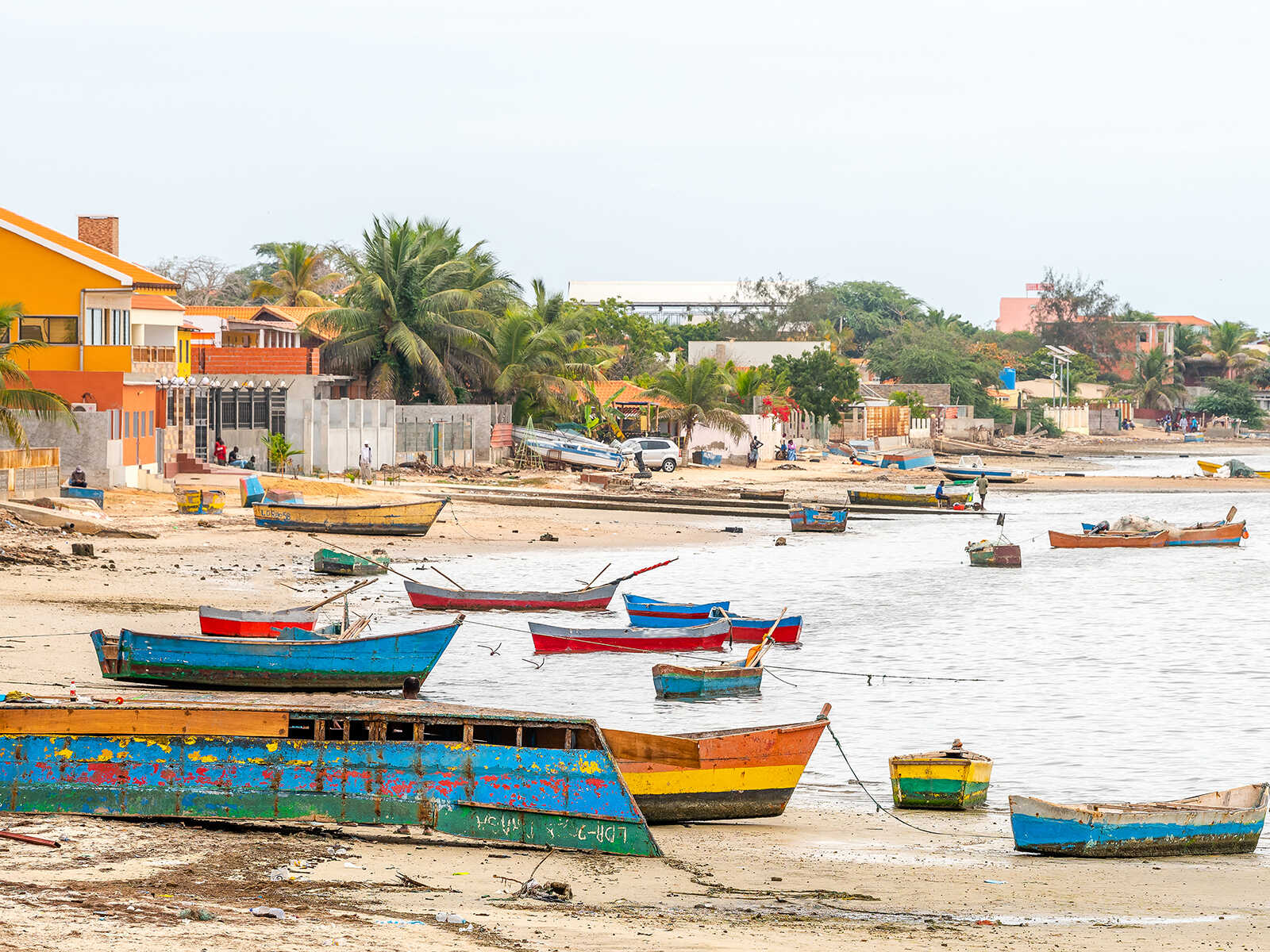
Beyond the "big three," Angola boasts a rich array of other musical styles.Rebita, an older, more formal dance, is often performed at social gatherings.Kazukutais a lively carnival rhythm, whileKilapangaandMaringashowcase regional variations and traditional storytelling through music and dance. These diverse genres ensure that there's always a rhythm to match any mood or occasion across the nation's varied landscapes, from the bustling capital to the serene Sangano Beach.
Traditional Dances: Movement with Meaning
Angolan dance is a language in itself, communicating stories, emotions, and cultural values. Traditional dances are often communal, performed during celebrations, rituals, and ceremonies. The movements can be intricate and symbolic, reflecting aspects of daily life, spirituality, or historical events. Whether it's the graceful turns of Rebita or the vibrant steps of Kazukuta during Carnival, each dance tells a unique Angolan story.
Exploring Angola means witnessing these traditions firsthand. Imagine the sounds of traditional Angolan instruments echoing near the stunning Viewpoint of the Moon or accompanying celebrations in villages close to Parque Nacional do Quicama, providing a truly immersive cultural experience.
Instruments of Angolan Music
The distinctive sound of Angolan music owes much to its traditional instruments. Percussion instruments are paramount, with thedikanza(a scraped idiophone), various types ofngoma(drums), and thekissange(a thumb piano) forming the backbone of many ensembles. String instruments like themarimbaandm'biraadd melodic depth, while flutes and whistles contribute unique tonal colors. Modern Angolan music often fuses these traditional sounds with electric guitars, keyboards, and synthesizers, creating a compelling blend of old and new.
Where to Experience Angolan Music and Dance
For visitors, experiencing Angola's vibrant music and dance scene is an unforgettable highlight. Luanda, the capital, is the epicenter of nightlife and live music. Here are some ways to immerse yourself:
- Nightclubs and Live Venues:Luanda boasts numerous clubs and bars where you can dance to Kizomba, Kuduro, and Semba until the early hours. Many venues feature live bands, offering an authentic taste of Angolan musical talent.
- Carnival:The Angolan Carnival, particularly in Luanda, is an explosion of color, music, and dance. Groups parade through the streets, showcasing elaborate costumes and rehearsed choreographies set to traditional and modern Angolan rhythms. The energy is infectious and truly a spectacle to behold. The festive atmosphere extends throughout the country, even touching communities near historical sites like the Fortaleza de São Miguel.
- Cultural Centers:Look for cultural centers or community halls that host performances, workshops, or traditional music evenings. These often provide a more intimate setting to appreciate the artistry. You might find events celebrating Angola's heritage near the Memorial Agostinho Neto.
- Local Markets and Street Life:Sometimes, the best musical experiences are spontaneous. Keep an ear out in bustling markets or community gatherings, where impromptu performances often break out.
- Regional Festivals:Beyond Luanda, various regions host their own festivals, often featuring unique local music and dance traditions. Deep within Angola's varied landscapes, from the dramatic Tundavala gap to the ancient Pedras Negras, traditional rhythms continue to echo, preserving the country's rich musical heritage.
Learning and Participating
Don't just observe; participate! Many dance schools in Luanda offer classes for beginners in Kizomba and Semba. Engaging with locals at a social dance event (known as a "kizombada" or "sembada") is also a fantastic way to learn a few steps and connect with the community. Angolans are generally warm and welcoming, eager to share their culture.
Beyond the vibrant nightlife of Luanda, exploration of Angola's diverse landscapes, from the majestic Quedas de Kalandula to the serene Sangano Beach, often reveals local communities where music and dance remain central to daily life, offering unique opportunities for cultural exchange.
Embrace the Angolan Beat
Angola's music and dance are more than just entertainment; they are the heartbeat of the nation, a powerful expression of its history, resilience, and joy. From the soulful embrace of Kizomba to the electrifying energy of Kuduro, these rhythms invite you to move, to feel, and to truly understand the spirit of Angola. So, pack your dancing shoes and prepare for a rhythmic journey unlike any other.