
Angola's Markets & Shopping: Where to Find Authentic Souvenirs
Angola offers a vibrant tapestry of culture, and nowhere is this more evident than in its bustling markets and artisan shops. For travelers seeking a tangible piece of their journey, finding authentic souvenirs is a rewarding experience, connecting you directly with local craftsmanship and daily life.
The Heartbeat of Angolan Commerce: General Markets
General markets are the lifeblood of Angolan communities, dynamic hubs where locals gather to buy and sell everything imaginable. While primarily serving daily needs, these markets often reveal hidden treasures and offer a fascinating glimpse into Angolan culture.
Mercado dos Kwanzas (Luanda)
Located in the capital city, the Mercado dos Kwanzas is one of Luanda's largest and most famous markets. It's a sprawling, sensory experience where you can find fresh produce, clothing, household goods, electronics, and sometimes even a small section dedicated to local crafts. Navigating its labyrinthine alleys is an adventure in itself, offering a chance to witness the vibrant pulse of urban Angolan life. While not solely a souvenir market, you might stumble upon unique items if you explore diligently.
Local Town Markets
Beyond Luanda, every town and village boasts its own local market. These smaller, community-focused markets are excellent places to observe daily routines and find regional specialties. From the coastal markets of Benguela to the highland markets of Huambo, each offers a unique flavor. Look for locally woven baskets, fresh coffee beans, or traditional cooking utensils that serve as both souvenirs and functional items.
Tip:While exploring local markets, engage with vendors. A friendly smile and a few words in Portuguese can open doors to richer interactions and help you find the best local products.
Hunting for Handicrafts: Dedicated Craft Markets & Artisanal Shops
For those specifically on the hunt for souvenirs, Angola also offers dedicated craft markets and artisan shops where you can find a curated selection of traditional and contemporary Angolan artistry.
Feira de Artesanato (Luanda)
The Feira de Artesanato, or Craft Fair, in Luanda is perhaps the most accessible and well-known destination for souvenir shopping. Here, numerous stalls display an impressive array of Angolan handicrafts. You'll find intricately carved wooden sculptures, vibrant paintings, traditional textiles known aspanos, and various forms of jewelry. It's an ideal spot to compare different styles and find gifts to take home.
Artisan Stalls near Tourist Attractions
Many popular tourist destinations will have local vendors selling crafts. Keep an eye out for small stalls near historical sites like the Fortaleza de São Miguel in Luanda, or even along routes to natural wonders such as the Viewpoint of the Moon. These vendors often specialize in items relevant to the region or popular with visitors, offering convenient opportunities to pick up a memento.
Gallery Shops & Boutiques
For higher-quality, more contemporary Angolan art and design, explore the smaller gallery shops and boutiques in Luanda's more upscale neighborhoods. These establishments often feature works by established Angolan artists, offering unique paintings, modern sculptures, and designer textiles that represent a different facet of the country's creative output.
Unique Angolan Souvenirs to Look For
Angola's rich cultural heritage is reflected in its diverse range of handicrafts. Here are some authentic items to consider adding to your collection:
- Wood Carvings:Angola is renowned for its intricate wood carvings, particularly from the Chokwe people. Look for expressive masks like theMwana Pwo(female ancestor) orCihongo(male ancestor), stylized figures representing daily life, or traditional chairs and stools. The Pedras Negras region, for example, is known for its mystical landscapes that might inspire local artisans.
- Textiles (Panos):Vibrant fabrics, often hand-woven or dyed, tell stories through their patterns and colors. Thesepanoscan be used as decorative wall hangings, clothing, or even as unique tablecloths.
- Basketry:Skilled artisans create beautiful and functional baskets from natural fibers. These range from small decorative pieces to larger utility baskets, often showcasing intricate weaving techniques.
- Pottery:Traditional Angolan pottery, often simple in form but rich in cultural significance, can be found in various markets. Look for pieces with unique local designs or practical uses.
- Jewelry:Handmade jewelry incorporating natural materials like seeds, wood, beads, and sometimes even recycled metals, makes for unique and personal souvenirs.
- Musical Instruments:Small hand drums (like a miniature djembe), thekissanje(a type of thumb piano), or other traditional instruments are wonderful reminders of Angola's rich musical heritage.
- Angolan Coffee:From the highlands of Huambo and Uíge, Angolan coffee has a rich history and a distinctive flavor. Bags of locally sourced beans make an excellent and practical souvenir, allowing you to savor a taste of Angola long after your trip.
- Paintings & Art Prints:Contemporary Angolan artists often depict scenes of daily life, abstract interpretations of culture, or the country's stunning landscapes, such as those found around the Tundavala gap.
Practical Tips for Shopping in Angola
- Bargaining:In most markets and with independent vendors, bargaining is expected and part of the cultural experience. Start with a polite offer, often around 50-70% of the initial asking price, and negotiate respectfully.
- Cash is King:While some larger stores and galleries may accept cards, cash (Angolan Kwanza) is essential for market shopping and with most street vendors. It's advisable to carry smaller denominations.
- Authenticity:Look for items that are clearly handmade and reflect traditional Angolan designs. Don't be afraid to ask about the origin of the piece or the artisan who made it. Supporting local artisans directly contributes to their livelihoods and preserves cultural heritage.
- Language:Portuguese is the official language. Learning a few basic phrases like "Olá" (Hello), "Quanto custa?" (How much does it cost?), and "Obrigado/a" (Thank you) will greatly enhance your shopping experience.
- Opening Hours:Market hours can be flexible. Most markets are busiest in the mornings and late afternoons. Dedicated craft fairs might have more structured, but still varied, hours.
- Safety:As with any bustling market, be aware of your surroundings, keep your belongings secure, and avoid displaying large sums of cash.
- Shipping:For larger items like significant wood carvings or paintings, inquire about shipping options. Some galleries or specialized shops may offer international shipping services.
Beyond Luanda: Regional Shopping Experiences
Venturing outside the capital often reveals even more unique shopping opportunities and regional specialties:
- Malanje Province:If you're visiting the magnificent Quedas de Kalandula, explore the local markets in Malanje city. You might find distinct regional crafts and agricultural products.
- Huíla Province (Lubango):Near the Tundavala gap, Lubango and surrounding areas offer a glimpse into southern Angolan culture. Look for handcrafted items, perhaps related to the local Nyaneka-Humbe people, and enjoy the cooler highland climate.
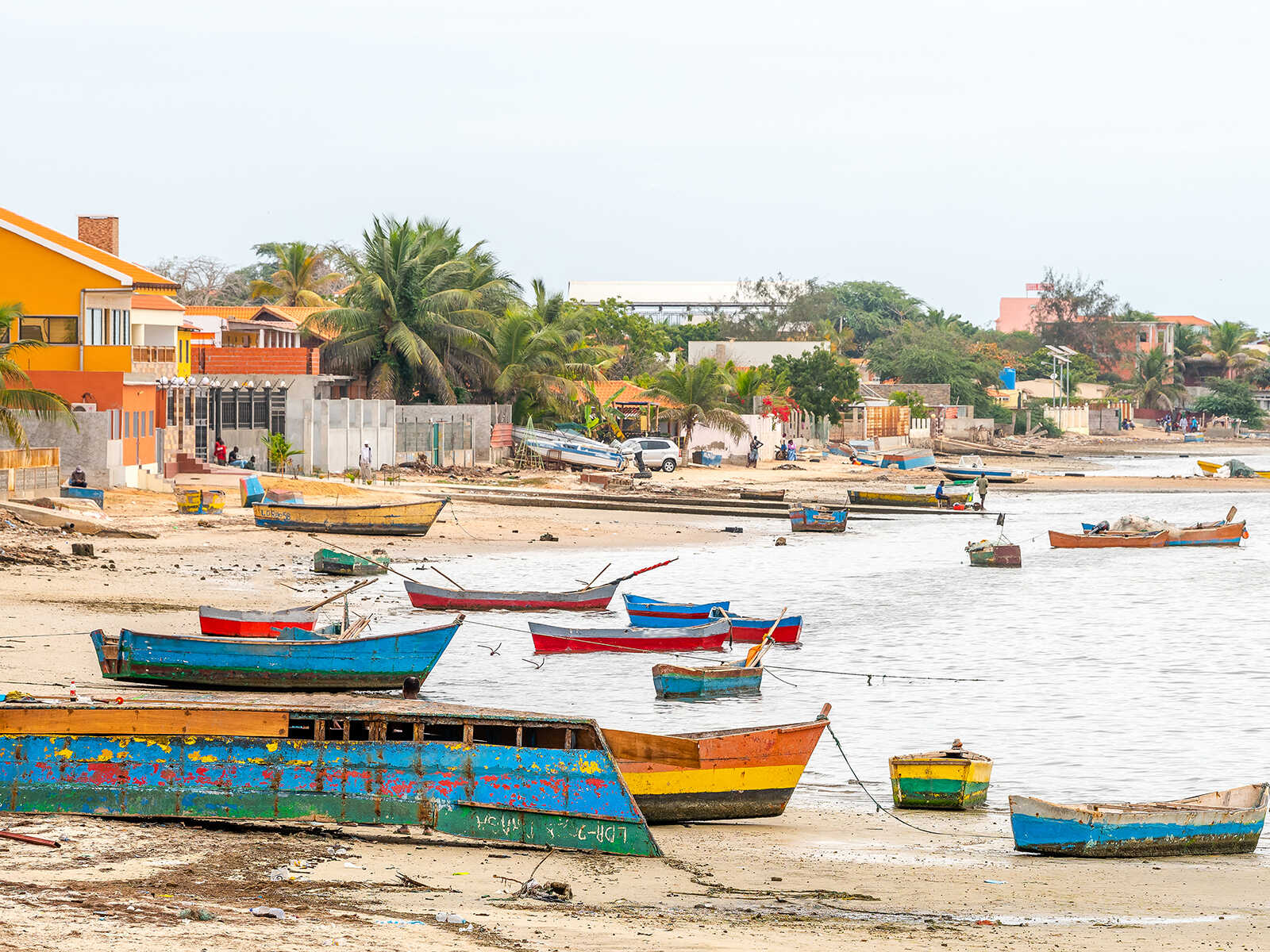
- Benguela & Lobito:These coastal cities offer fresh seafood markets but also feature artisan stalls with items reflecting their maritime culture, alongside general Angolan crafts.
Shopping in Angola is more than just acquiring souvenirs; it's an immersive cultural experience. Each purchase tells a story, supports local communities, and serves as a lasting reminder of your incredible journey through this captivating nation.