
Angolan Festivals and Events: A Guide to Local Celebrations
Angola, a country rich in history and vibrant culture, offers visitors a unique opportunity to immerse themselves in its dynamic spirit through an array of festivals and events. From lively street parades to solemn religious pilgrimages, these celebrations are windows into the heart and soul of Angolan traditions, music, dance, and community.
Discovering Angola's Rhythmic Soul Through Its Festivals
Participating in an Angolan festival is more than just an event; it's a sensory journey. It’s where the infectious rhythms ofkuduroandsembafill the air, vibrant traditional attire paints the streets, and the aroma of delicious local cuisine tantalizes your senses. These gatherings provide an unparalleled chance to connect with local communities, understand their customs, and witness the profound joy and resilience that define the Angolan people.
Whether you're drawn to grand national spectacles or intimate regional festivities, Angola's calendar is dotted with celebrations that reflect its diverse cultural tapestry, influenced by indigenous traditions, Portuguese heritage, and modern expressions.
Major National Celebrations: A Kaleidoscope of Culture
Carnival: Angola's Most Explosive Celebration
Without a doubt, Carnival is the most anticipated and spectacular event on the Angolan calendar. Held annually in February or March, before Lent, it transforms cities like Luanda, Lobito, and Benguela into pulsating hubs of color, music, and dance. Groups, known asgrupos carnavalescos, spend months preparing elaborate costumes, intricate choreographies, and powerful songs to compete for the coveted title of the year's best.
In Luanda, the main parade takes place along the Marginal, attracting thousands of spectators who line the streets to witness the dazzling displays. Expect a fusion of traditional African rhythms with Latin influences, energetic performances, and a palpable sense of communal joy. It's an unforgettable experience that embodies the spirit of Angolan revelry.
Independence Day: A Nation's Pride
Celebrated annually onNovember 11th, Independence Day commemorates Angola's freedom from Portuguese colonial rule in 1975. This national holiday is marked by official ceremonies, speeches, military parades, and cultural performances across the country. It's a day of profound national pride, where Angolans reflect on their history and celebrate their sovereignty. Public spaces often host concerts and gatherings, offering a more somber yet equally significant cultural experience.
Founders' Day (Agostinho Neto Day)
OnSeptember 17th, Angola honors its first President, António Agostinho Neto, with a national holiday known as Founders' Day. As a poet, doctor, and politician, Neto is revered as a national hero. Commemorations often include cultural events, academic discussions, and visits to significant historical sites. Visitors interested in learning more about his legacy can explore the Memorial Agostinho Neto in Luanda, an impressive monument and museum dedicated to his life and work.
Religious and Traditional Festivals: Deep-Rooted Beliefs and Customs
Festas da Nossa Senhora da Muxima
One of Angola's most significant religious pilgrimages, the Festas da Nossa Senhora da Muxima (Our Lady of Muxima), takes place annually in August in the small town of Muxima, south of Luanda. Thousands of devotees journey to the sanctuary, many on foot, to pay homage to the Virgin Mary. The festival combines Catholic rites with traditional African spiritual practices, creating a unique and deeply moving atmosphere. It's a powerful display of faith, community, and cultural syncretism.
Festas do Mar (Sea Festival)
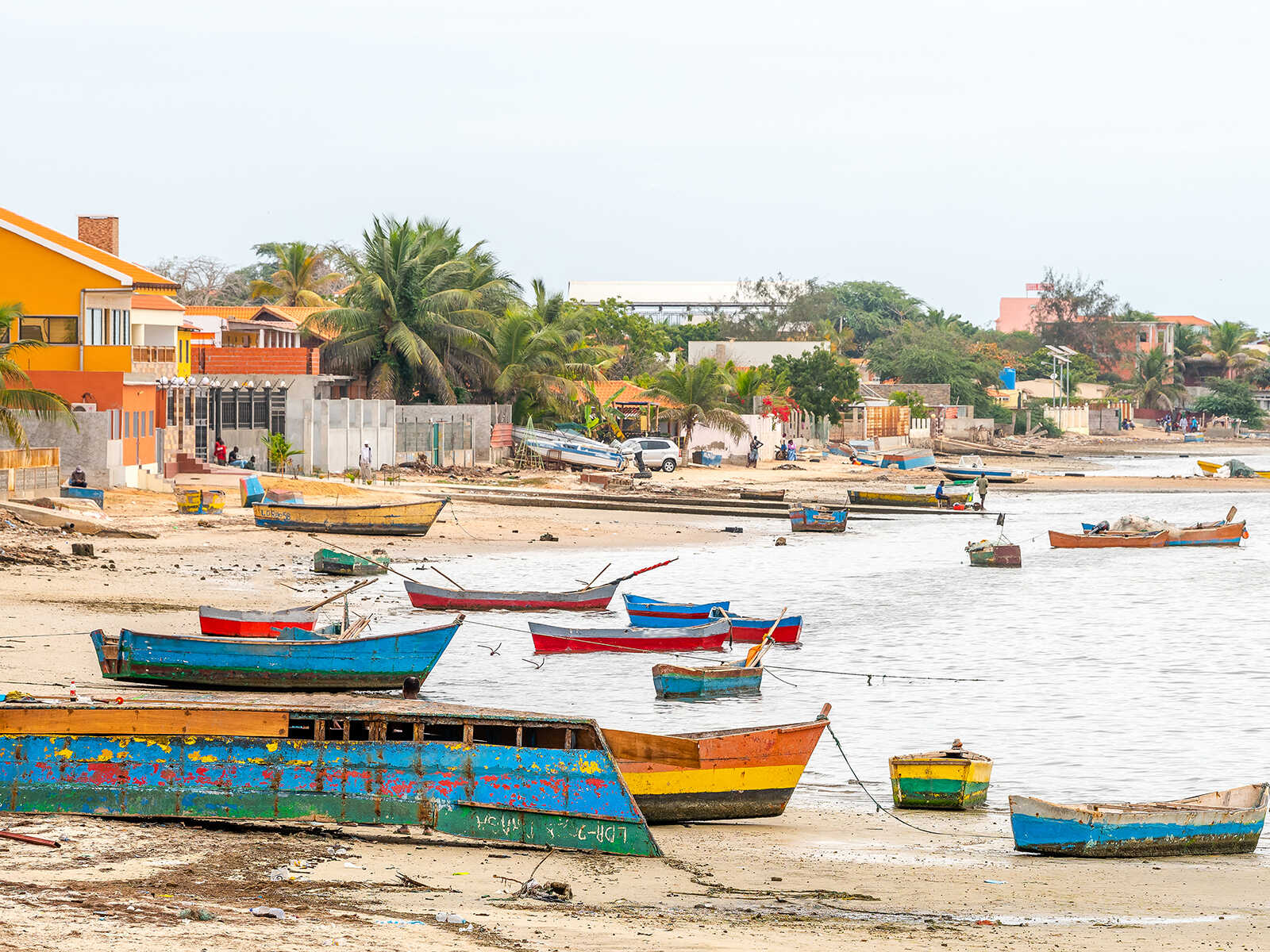
Held primarily in coastal cities like Lobito and Benguela, the Festas do Mar celebrate Angola's strong connection to the ocean. These festivals, often occurring around March or April, feature boat parades, fishing competitions, musical performances, and copious amounts of fresh seafood. It’s a fantastic opportunity to experience the maritime culture, enjoy lively entertainment, and savor Angolan culinary delights by the sea.
Festas de São João
Like many Portuguese-speaking countries, Angola celebrates São João (Saint John) onJune 24th. This midsummer festival is characterized by bonfires, traditional dances, and festive gatherings, particularly in rural areas. While not as grand as Carnival, it offers a charming insight into local community life and folklore.
Local Harvest Festivals and Traditional Rites
Beyond the major national events, countless regional and local festivals celebrate harvests, ancestral spirits, and rites of passage. These vary greatly by ethnic group and region, from the northern provinces to the southern plains. While less publicized, these offer some of the most authentic cultural experiences. In some areas, you might encounter vibrant masquerades, intricate storytelling, and traditional music played on unique instruments, often passed down through generations.
Cultural and Arts Events: Modern Expressions
Music Festivals and Concerts
Angola has a thriving music scene, the birthplace of iconic genres likesemba,kizomba, and the energetickuduro. Throughout the year, especially in Luanda, various concerts and smaller music festivals showcase both established and emerging Angolan artists. Keep an eye out for local listings to catch live performances that will have you dancing in no time.
Art Exhibitions and Galleries
Luanda's contemporary art scene is growing, with galleries and cultural centers frequently hosting exhibitions by Angolan artists. These events provide a platform for modern creative expression, often exploring themes of history, identity, and social commentary. It's a great way to see another facet of Angola's vibrant cultural landscape.
Practical Tips for Experiencing Angolan Festivals
To make the most of your festival experience in Angola, consider these practical tips:
- Plan Ahead:Festival dates can sometimes shift, especially for traditional and religious events. Confirm dates well in advance.
- Book Accommodation:During major festivals like Carnival, hotels and guesthouses fill up quickly. Book your stay, particularly in cities like Luanda, Lobito, or Benguela, as early as possible.
- Transportation:Navigating cities during festivals can be challenging. Plan your transport, whether it's ride-sharing apps, local taxis, or organized tours.
- Stay Safe:While festivals are joyous, crowded places can attract petty crime. Keep valuables secure and be aware of your surroundings.
- Embrace Local Cuisine:Festivals are a fantastic opportunity to sample authentic Angolan street food and traditional dishes likemoamba de galinha,calulu, and fresh seafood. Don't be afraid to try new flavors!
- Respect Local Customs:Angolans are generally welcoming. Dress modestly when visiting religious sites and always ask permission before taking photos of individuals.
- Learn Basic Portuguese:While some English might be spoken in tourist areas, knowing a few Portuguese phrases will greatly enhance your interaction with locals and your overall experience.
- Combine with Sightseeing:Many festivals take place in or near areas with other attractions. For instance, if you're in Luanda for Carnival, consider visiting the historic Fortaleza de São Miguel or taking a trip to Viewpoint of the Moon or Parque Nacional do Quicama for a different kind of adventure.
Traveler's Insight:Angolan festivals are not just performances; they are deeply communal experiences. Engaging with locals, trying a dance step, or sharing a meal can transform your visit from observation to true immersion.
Conclusion: A Journey into Angola's Heart
Angolan festivals and events offer a vibrant gateway into the country's rich cultural heritage and contemporary dynamism. From the rhythmic intensity of Carnival to the spiritual devotion of Muxima, each celebration tells a story of identity, resilience, and joy. By planning your visit around these captivating events, you're not just witnessing a spectacle; you're becoming part of the heartbeat of Angola, creating memories that will last a lifetime.