
Angolan Culture and Etiquette: Essential Tips for Travelers
Angola, a nation brimming with captivating landscapes and a vibrant spirit, offers an unforgettable journey for those ready to explore its depths. To truly appreciate this Southern African gem and ensure a respectful, enriching experience, understanding the nuances of Angolan culture and etiquette is paramount.
A Glimpse into Angola's Rich Cultural Tapestry
Angola's culture is a fascinating mosaic, shaped by centuries of history, diverse ethnic groups, and Portuguese colonial influence. The country is home to over 90 ethnic groups, with the Ovimbundu, Kimbundu, and Bakongo being the largest, each contributing unique customs, languages, and traditions to the national identity. This rich heritage is evident in everything from its resilient people to its expressive arts.
Music and dance are at the heart of Angolan life. Genres likeKizomba, known for its sensual dance moves, andSemba, the precursor to Brazilian samba, are more than just entertainment; they are a form of storytelling and communal bonding. You'll hear these rhythms echoing through cities and villages, inviting participation and celebration.
Angolan cuisine, too, is a cornerstone of its culture, reflecting a blend of African and Portuguese flavors. Staples likefunge(a thick paste made from cassava or corn flour) andmuamba de galinha(chicken stew with palm oil) are not just meals but culinary experiences often shared with family and friends.
Did you know?While Portuguese is the official language, Angola recognizes several national languages, including Umbundu, Kimbundu, and Kikongo, reflecting its deep linguistic diversity.
Navigating Social Interactions: Greetings and Respect
First impressions matter greatly in Angola, and a proper greeting can open many doors. Politeness and respect are highly valued, especially towards elders and those in positions of authority.
The Art of the Angolan Greeting
- Handshakes:A firm handshake is the standard greeting, often accompanied by direct eye contact and a warm smile. Men typically shake hands with men, and women with women. If greeting someone of the opposite sex, it's polite to wait for them to initiate the handshake, especially for women.
- Extended Greetings:Don't rush a greeting. Angolans often engage in a brief exchange of pleasantries, asking about family and well-being, before moving on to the main conversation.
- Titles:When addressing someone for the first time, especially an elder or someone in a formal setting, use appropriate titles likeSenhor(Mr.) orSenhora(Ms./Mrs.) followed by their surname, if known.
Demonstrating Respect
Showing respect goes beyond just greetings. It involves your demeanor and actions:
- Eye Contact:While direct eye contact is common during greetings, prolonged, intense eye contact can sometimes be perceived as challenging, especially when speaking to elders or superiors. A respectful gaze is often more subdued.
- Addressing Elders:Always show deference to elders. It's common for younger individuals to avoid direct eye contact, offer their seat, or use more formal language when interacting with older people.
- Patience:Angolan society generally operates at a more relaxed pace. Patience is a virtue, particularly in queues, during transactions, or when arranging meetings.
Dining Etiquette: Sharing and Savoring
Meals in Angola are often communal affairs, emphasizing sharing and hospitality. Understanding dining etiquette will enhance your experience, whether you're at a local restaurant or invited into a home.
- Washing Hands:Before a meal, especially one involvingfunge, you may be offered water to wash your hands. It's customary to wash before and sometimes after eating.
- Eating with Hands:Many traditional dishes, particularlyfunge, are eaten with the right hand. You pinch off a small piece offunge, roll it into a ball, and use it to scoop up stew or sauce. Always use yourright hand, as the left hand is traditionally considered unclean.
- Waiting to Serve:Wait to be told where to sit and when to start eating, especially in a private home. The host will usually serve the guests first.
- Sharing Food:It's common for dishes to be placed in the center of the table for everyone to share. Take modest portions and don't take the last piece unless invited to.
Dress Code: Modesty and Practicality
While there isn't a strict dress code across all of Angola, a sense of modesty and practicality is generally appreciated.
- Cities and Formal Settings:In urban centers like Luanda, people tend to dress smartly. For business meetings or formal occasions, conservative attire is expected. For everyday wear, clean, neat clothing is appropriate.
- Rural Areas:When visiting more rural areas, modesty is even more valued. Women should consider covering their shoulders and knees. Lightweight, breathable fabrics are practical due to the climate.
- Religious Sites:If you plan to visit churches or other religious sites, dress respectfully, ensuring shoulders and knees are covered.
Communication and Language
Portuguese is the official language and widely spoken, especially in urban areas. Learning a few basic phrases will go a long way in showing respect and fostering connections.
- Olá(Hello)
- Bom dia(Good morning)
- Boa tarde(Good afternoon)
- Boa noite(Good evening/night)
- Obrigado/Obrigada(Thank you - 'o' for men, 'a' for women)
- Por favor(Please)
- Desculpe(Excuse me/Sorry)
Even if your Portuguese is limited, attempting a few words will be appreciated. Patience and a willingness to use gestures can bridge language barriers effectively.
Photography and Privacy
Angola offers countless picturesque scenes, from bustling markets to breathtaking natural wonders like Quedas de Kalandula and the dramatic Tundavala gap. However, always exercise discretion when taking photos.
- Ask Permission:It is always polite and respectful to ask for permission before photographing individuals, especially children. A simple gesture or a "Posso tirar uma foto?" (May I take a photo?) goes a long way.
- Sensitive Areas:Avoid taking photos of government buildings, military installations, or police personnel, as this can be viewed with suspicion and may even be illegal.
Tipping and Bargaining
Understanding local customs regarding tipping and bargaining can help you navigate transactions smoothly.
- Tipping:Tipping is not as ingrained as in some Western cultures but is becoming more common, especially in tourist-focused services. A small tip for good service in restaurants, hotels, or for tour guides is always appreciated.
- Bargaining:In local markets, bargaining (regatear) is expected and often part of the cultural experience. Start by offering a lower price than what's initially quoted and negotiate respectfully to reach a fair agreement. However, prices in supermarkets and established shops are usually fixed.
Cultural Nuances and Taboos to Be Aware Of
Being mindful of certain cultural sensitivities can prevent misunderstandings:
- Left Hand:As mentioned in dining etiquette, avoid using your left hand for giving or receiving items, especially food or money, as it is traditionally associated with personal hygiene and considered unclean.
- Public Displays of Affection (PDA):While attitudes vary, overt public displays of affection are generally frowned upon and considered inappropriate.
- Sensitive Topics:Be cautious when discussing politics, the civil war, or other potentially divisive historical events, especially with strangers. Listen more than you speak, and avoid strong opinions unless you are very familiar with your company.
Exploring historical landmarks like Fortaleza de São Miguel in Luanda or the Memorial Agostinho Neto offers profound insights into Angola's past, providing context for its present-day culture and resilience.
Embracing the Angolan Spirit
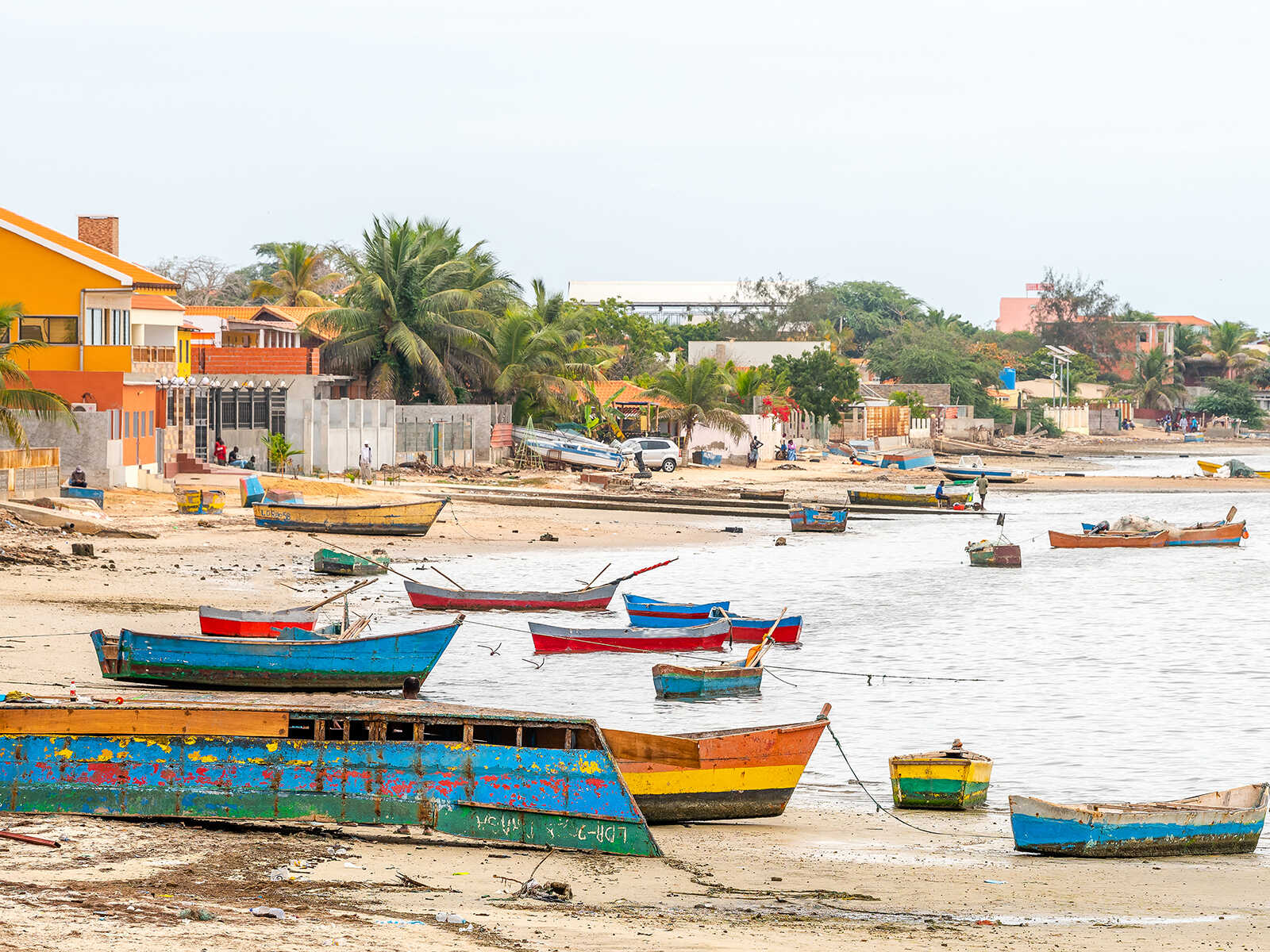
Angola is a country of immense beauty, from the stunning coastal stretches of Sangano Beach to the dramatic rock formations of Pedras Negras and the captivating Viewpoint of the Moon. Its vibrant culture is an integral part of this allure. By approaching your journey with an open mind, a respectful attitude, and a willingness to learn, you'll not only navigate Angolan society with ease but also forge deeper, more meaningful connections with its warm and welcoming people. Embrace the rhythms, savor the flavors, and immerse yourself in the rich tapestry that is Angolan life.