
Angolan Cuisine Guide: Must-Try Dishes & Where to Find Them
Embark on a culinary adventure through Angola, a nation where diverse cultural influences converge to create a truly unique gastronomic landscape. From hearty stews to vibrant seafood, Angolan cuisine offers an unforgettable journey for your taste buds, deeply rooted in tradition and fresh, local ingredients.
The Heart of Angolan Flavors: Staple Ingredients and Influences
Angolan cuisine is a rich tapestry woven from indigenous African traditions, Portuguese colonial heritage, and subtle Brazilian touches. This fusion results in dishes characterized by bold flavors, often featuring fresh seafood from its extensive coastline, robust meats, and an abundance of tropical produce.
Key to most Angolan meals are staples likefungeorfunje, a thick porridge made from cassava or corn flour, serving as the perfect accompaniment to soak up the rich sauces of stews. Cassava, known locally asmandioca, is versatile, appearing in flour, roots, and leafy greens. Palm oil (azeite de dendê) imparts a distinctive reddish hue and earthy flavor to many dishes, while vibrant peppers likepiri-piriadd a characteristic kick.
Must-Try Angolan Dishes
Moamba de Galinha: The National Delicacy
Undoubtedly Angola's national dish,Moamba de Galinhais a rich, flavorful chicken stew cooked with palm oil, okra, pumpkin, and sometimes eggplant or sweet potato. It's typically served withfungeand white rice. The combination of tender chicken and the earthy, slightly sweet flavor of palm oil creates a truly satisfying and iconic meal.
Calulu: A Communal Feast
Caluluis another essential Angolan stew, known for its generosity and the variety of ingredients it can hold. It typically features fish (fresh or dried) or meat, cooked with palm oil, okra, sweet potato leaves, and other vegetables. Calulu is a dish often prepared for gatherings, reflecting the communal spirit of Angolan dining.
Mufete: Coastal Grilling at its Best
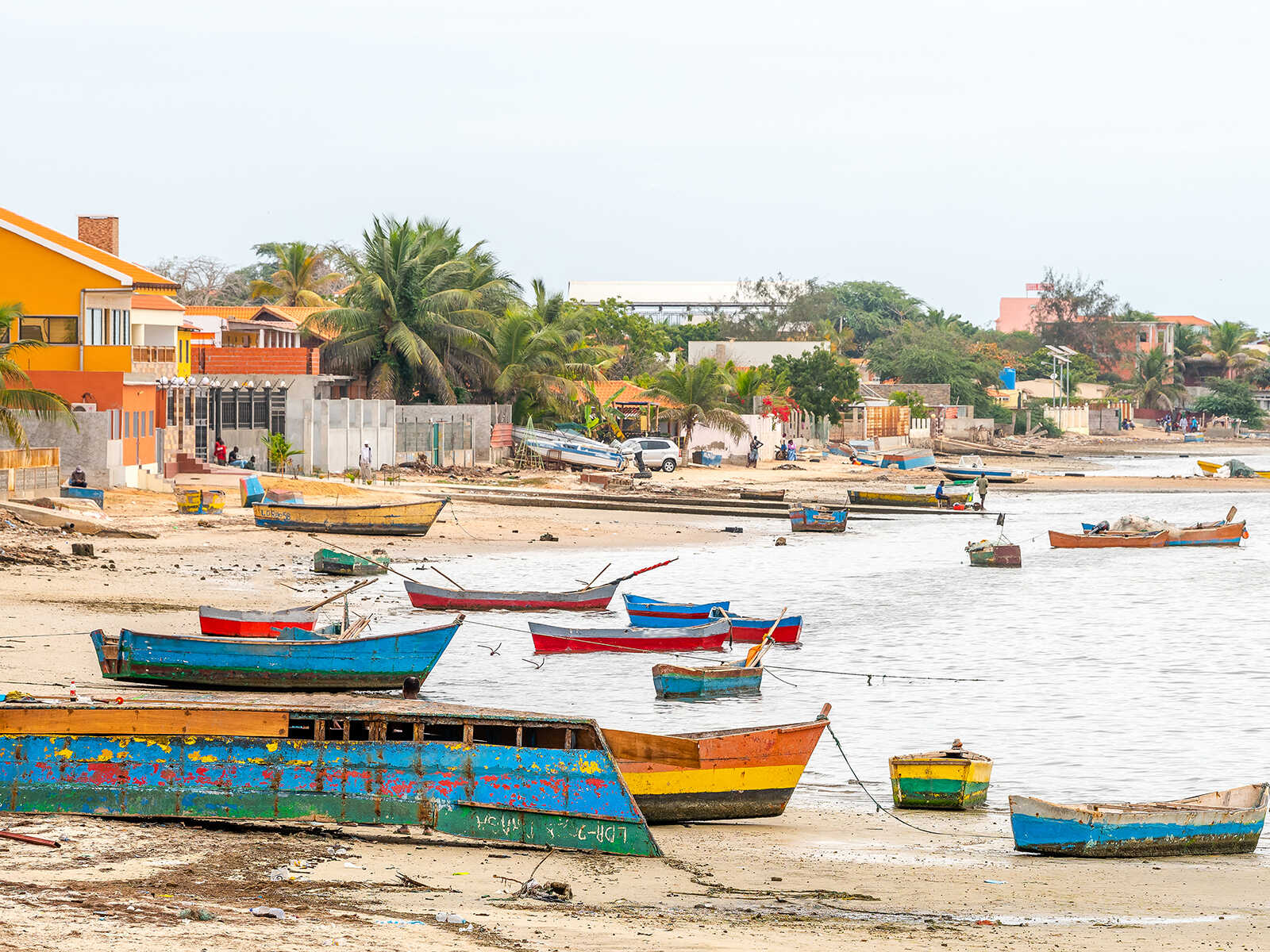
For those along Angola's stunning coast,Mufeteis an absolute must-try. This vibrant dish consists of grilled fish (often tilapia or snapper), served with boiled sweet potato, plantains, and beans cooked in palm oil. It’s a fresh, flavorful, and incredibly popular meal, especially in coastal cities and towns. Imagine enjoying Mufete with the ocean breeze at a place like Sangano Beach.
Travel Tip:When trying Mufete, don't forget to ask for a side ofmolho cru, a zesty raw sauce made from onion, tomato, and often a touch of chili, which perfectly complements the grilled fish.
Feijão com Arroz: The Ubiquitous Side
While seemingly simple,Feijão com Arroz(beans and rice) is a fundamental part of almost every Angolan meal. The beans are often slow-cooked with spices, sometimes palm oil, creating a comforting and nutritious accompaniment to any main dish.
Frango Piri-Piri: A Fiery Delight
For lovers of spice,Frango Piri-Piriis a grilled chicken dish marinated in a fiery sauce made from piri-piri peppers, garlic, and lemon. It's incredibly popular across Angola and offers a delicious kick that awakens the palate.
Caldeirada de Peixe: Hearty Fish Stew
Similar to Portuguese fish stews but with an Angolan twist,Caldeirada de Peixeis a rich and aromatic stew featuring various types of fish, potatoes, tomatoes, and other vegetables, all simmered together to create a deeply satisfying meal. It's a testament to Angola's abundant seafood resources.
Kizaca: Leafy Green Goodness
Kizacais a flavorful vegetarian dish made from finely chopped cassava leaves cooked with garlic, onion, and often palm oil or peanut paste. It’s a nutritious and earthy side dish, offering a taste of Angola's agricultural bounty.
Kitaba: Peanut Power
Kitabais a thick, spicy peanut paste that serves as a condiment or an ingredient in various stews. Its rich, nutty flavor adds depth and creaminess to many Angolan dishes.
Cabidela: For the Adventurous Palate
A dish for the more adventurous eater,Cabidelais a traditional chicken or goat stew cooked in its own blood, vinegar, and various spices. The blood acts as a thickener and gives the sauce a distinctive flavor and dark color. It's a dish deeply embedded in Portuguese culinary heritage and adapted in Angola.
Sweet Treats and Refreshing Drinks
Desserts
Angolan desserts often feature tropical fruits and influences from Portuguese baking. Look out forpudim(flan),cocada(coconut sweets), and cakes made with local ingredients like cassava flour (bolo de mandioca).
Beverages
Angola offers a range of refreshing drinks. The local beer,Cuca, is widely popular. For non-alcoholic options, tryKissangua, a traditional fermented drink made from corn flour, or fresh juices from local fruits like mango, passion fruit, or pineapple.
Where to Savor Authentic Angolan Cuisine
Local Markets (Mercados)
The bustling local markets are the soul of Angolan food culture. Here, you'll find an array of fresh produce, spices, and ingredients. Many markets also feature small stalls selling ready-to-eat street food, offering an authentic and affordable culinary experience. Explore the vibrant markets in Luanda for a true immersion.
Restaurants (Restaurantes)
From upscale dining establishments to humble local eateries, Angolan restaurants cater to all tastes and budgets. In cities like Luanda, you'll find a wide selection of places serving traditional Angolan dishes alongside international cuisine. Many restaurants near significant landmarks like the Fortaleza de São Miguel or the Memorial Agostinho Neto offer a taste of local flavors.
Street Food (Comida de Rua)
Don't shy away from the vibrant street food scene. You can find delicious, freshly prepared snacks and meals, from grilled fish and meat skewers (espetadas) to fried pastries and savory fritters. It's an excellent way to sample a variety of local flavors quickly and affordably.
Tips for Dining in Angola
- Embrace Funge:It might be unfamiliar, butfungeis a cornerstone of Angolan meals. Learn to pinch off small pieces and use them to scoop up stews.
- Spice Levels:Angolans appreciate spice! If you're sensitive, ask for dishes "sem piri-piri" (without piri-piri), but don't miss trying a little heat.
- Freshness is Key:With its coastal location, fresh seafood is paramount. Look for busy establishments, especially for grilled fish.
- Patience is a Virtue:Service can sometimes be slower than what you might be used to. Relax, enjoy the atmosphere, and anticipate a freshly prepared meal.
- Hydrate:The Angolan climate can be warm. Keep hydrated with bottled water or local fruit juices.
Conclusion: A Culinary Journey Awaits
Angolan cuisine is a delightful reflection of the country's rich history, diverse geography, and vibrant culture. From the comforting warmth of Moamba de Galinha to the fresh zest of Mufete, every dish tells a story. So, as you explore the stunning landscapes of Angola, from the majestic Quedas de Kalandula to the unique formations of the Viewpoint of the Moon, make sure your journey includes a deep dive into its incredible culinary offerings. Your taste buds will thank you.