
Getting Around Andorra: Your Comprehensive Transportation Guide
Andorra, nestled high in the Pyrenees mountains, offers a unique travel experience. Navigating its stunning landscapes, charming villages, and bustling commercial centers is part of the adventure, and understanding your transportation options is key to a smooth and enjoyable journey. This comprehensive guide will help you master getting around this picturesque principality.
Arriving in Andorra: Your Gateway to the Pyrenees
Andorra does not have its own airport, meaning all journeys to the principality are by road. Most visitors arrive via bus or car from nearby international airports in Spain or France.
- From Spain:The closest major airports are Barcelona-El Prat (BCN) and Girona-Costa Brava (GRO). Numerous direct bus services operate daily from both airports, offering a comfortable and efficient transfer to Andorra la Vella.
- From France:Toulouse-Blagnac Airport (TLS) is the primary gateway from France, also with regular bus connections to Andorra.
These international bus services are reliable and take you directly to the central bus station in Andorra la Vella, from where you can easily connect to local transport.
Public Buses: The Backbone of Andorran Travel
Once you're in Andorra, the public bus system is undoubtedly the most convenient and cost-effective way to travel between towns and villages. The network is extensive, well-maintained, and covers most residential and tourist areas.
Navigating the Bus Network
The system operates several main lines (L1 through L6), each serving different routes and parishes:
- Lines 1 & 2:These are the busiest, connecting the capital, Andorra la Vella, with Escaldes-Engordany and other key commercial and residential areas. They are perfect for getting to attractions like Caldea or exploring the main shopping streets.
- Line 3:Connects Andorra la Vella to the northern parishes, including Ordino and La Massana, which are gateways to popular hiking and ski areas. You could use this line, for instance, to get closer to the starting points for trails leading to Parc Natural de la Vall de Sorteny.
- Line 4:Travels towards the eastern valleys, serving Canillo and Soldeu, popular ski resort towns.
- Line 5:Reaches the furthest eastern point, connecting Andorra la Vella to Pas de la Casa, right on the French border. This route offers stunning mountain views.
- Line 6:Primarily serves the Sant Julià de Lòria parish in the south, including access points to areas like Naturlandia(though a further connection, taxi, or walk may be needed from the bus stop).
Buses run frequently, especially on the main lines, with reduced services on weekends and public holidays. Bus stops are clearly marked, and timetables are usually available online or at major stops.
Travel Tip:Riding the public buses is a fantastic way to experience Andorra like a local. It's not just a mode of transport but an opportunity to observe daily life and take in the changing scenery at a relaxed pace.
Driving in Andorra: Freedom and Flexibility
For those who prefer maximum flexibility and wish to explore Andorra's more remote corners, driving is an excellent option. Car rental services are available in Andorra la Vella, though many visitors opt to rent a car at their arrival airport in Spain or France.
Benefits of Driving
- Access to Remote Areas:A car allows you to reach trailheads for stunning hikes, such as those leading into the Madriu-Perafita-Claror Valley(a UNESCO World Heritage site) or the charming village of La Cortinada, which might have less frequent bus services.
- Scenic Routes:Andorra boasts spectacular mountain roads, perfect for a leisurely drive with numerous viewpoints.
- Convenience:Ideal for families or those carrying ski equipment, offering door-to-door convenience.
Driving Considerations
- Mountain Roads:Roads are generally well-maintained but can be winding and steep. Drive cautiously and be prepared for changing weather conditions, especially in higher elevations.
- Parking:Parking in urban centers like Andorra la Vella and Escaldes-Engordany can be challenging and often involves paid underground car parks. Look for blue lines (paid parking) and white lines (free, but rare).
- Winter Driving:From November 1st to May 15th, it ismandatoryto have winter tires or carry snow chains in your vehicle. Police regularly check, and fines apply. Roads are generally cleared quickly after snowfall, but conditions can change rapidly.
Taxis: Convenience at Your Fingertips
Taxis are readily available in Andorra's main towns and at popular tourist spots. They offer a convenient option for short distances, late-night travel, or when you need to reach a specific destination quickly without the hassle of parking.
You can find official taxi stands in Andorra la Vella and Escaldes-Engordany, or call to arrange a pick-up. While more expensive than public buses, taxis provide direct service and can be cost-effective for groups, especially for journeys to places not directly served by public transport.
Walking: Embrace the Andorran Pace
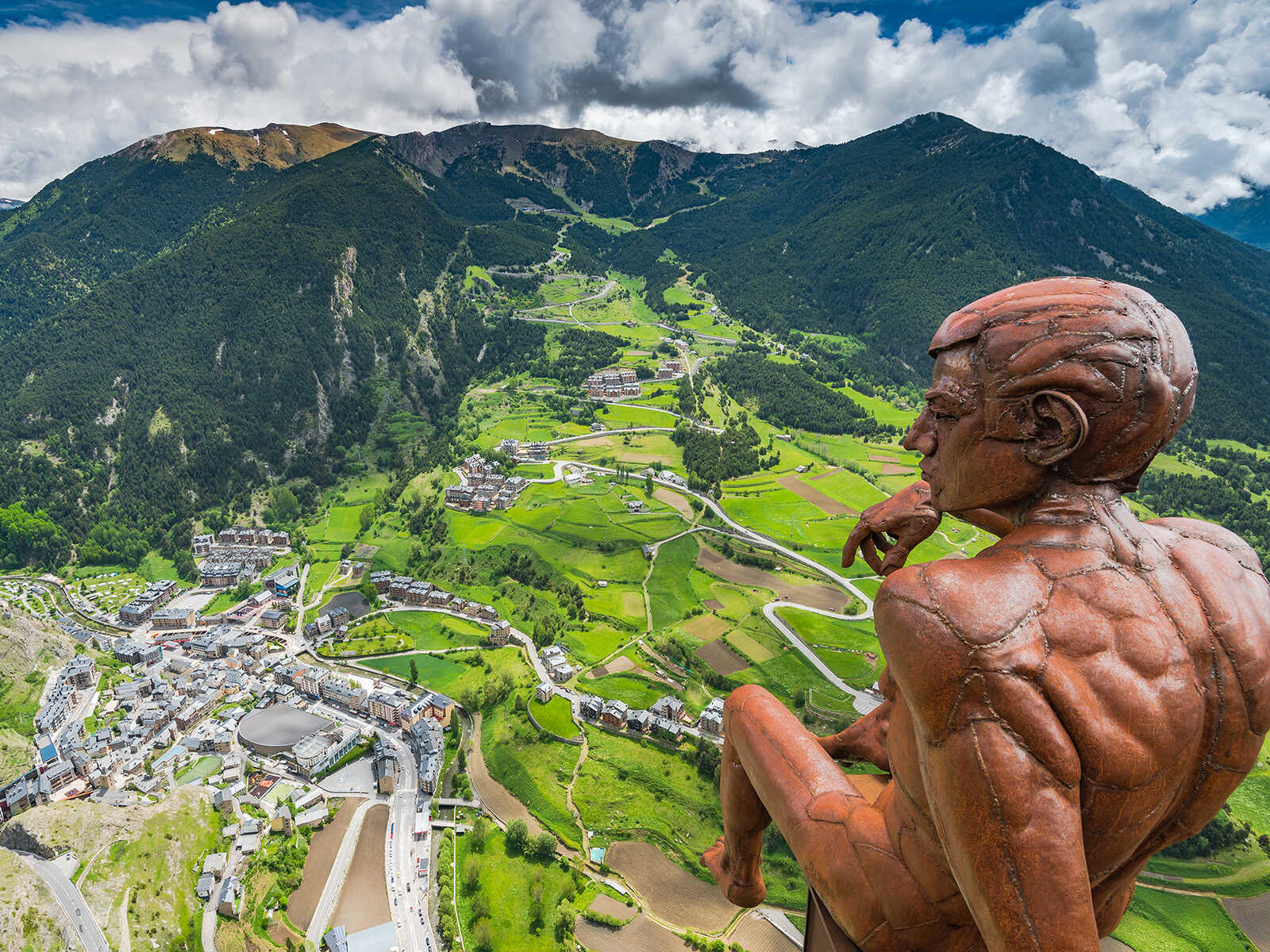
For exploring the compact urban centers and enjoying the fresh mountain air, walking is often the best choice. Andorra la Vella and Escaldes-Engordany are highly walkable, with pedestrianized shopping streets, riverside paths, and easy access to cultural sites like The Nobility of Time sculpture by Salvador Dalí.
Beyond the towns, Andorra is a hiker's paradise. Countless trails crisscross the principality, ranging from gentle strolls along riverbanks to challenging multi-day treks. Many villages are connected by scenic footpaths, offering a different perspective of the landscape.
Cycling: Scenic Routes and Mountain Challenges
Andorra is a renowned destination for cyclists, both road cyclists tackling formidable mountain passes and mountain bikers exploring dedicated trails. If you're a keen cyclist, bringing your own bike or renting one locally can be a fantastic way to discover the country.
- Road Cycling:Challenge yourself on climbs featured in the Tour de France or Vuelta a España. The well-paved roads offer breathtaking views around every bend.
- Mountain Biking:Explore an extensive network of trails, from gentle forest paths to adrenaline-pumping downhill descents. Many ski resorts convert their slopes into bike parks during the summer.
Bike rental shops are available in major towns and ski resorts, offering a range of equipment for all skill levels.
Winter Sports Transportation: Getting to the Slopes
During the winter season, transportation revolves heavily around getting skiers and snowboarders to Andorra's world-class resorts. Most ski areas like Grandvalira and Pal Arinsal offer dedicated ski bus services from major towns and villages. These buses are often frequent, affordable, and sometimes even included with your ski pass, making them a hassle-free way to hit the slopes.
For those driving to the resorts, remember the mandatory winter tire/snow chain requirement. Parking at the base of the ski lifts is usually available, though it can fill up quickly on peak days.
Practical Tips for Navigating Andorra
- Check Road Conditions:Always check traffic and road conditions, especially in winter. Information is often available from local tourism offices or online.
- Navigation Apps:Google Maps or similar apps are highly effective for both driving and public transport routes in Andorra.
- Be Prepared for Hills:Andorra is mountainous. Whether walking or driving, expect inclines and descents.
- Language:While Catalan is the official language, Spanish and French are widely spoken, especially in tourist areas. English is also understood in most hotels and major attractions.
Andorra offers a diverse range of transportation options to suit every traveler and itinerary. Whether you prefer the convenience of a public bus, the freedom of a rental car, or the active exploration of walking and cycling, you'll find it easy and enjoyable to get around this stunning Pyrenean gem.