
Best Time to Visit Andorra: A Seasonal Guide for Travelers
Nestled high in the Pyrenees mountains between France and Spain, Andorra is a captivating microstate offering a diverse range of experiences throughout the year. Whether you dream of pristine ski slopes or sun-drenched hiking trails, understanding Andorra's distinct seasons is key to planning your perfect trip.
This guide will walk you through what to expect each season, helping you decide when to visit this stunning principality based on your interests and preferences.
Winter Wonderland: December to March
Weather & Climate
Winter in Andorra is exactly what you'd expect from a mountainous region: cold, crisp, and snowy. Temperatures frequently dip below freezing, especially at higher elevations, creating ideal conditions for winter sports. Snowfall is abundant, blanketing the landscape in a picturesque white.
Key Activities & Events
This is prime season for skiing and snowboarding, with world-class resorts like those accessible from Pas de la Casa drawing visitors from across Europe. Beyond the slopes, you can enjoy snowshoeing, dog sledding, or even a thrilling ride on the Tobotronc at Naturlandia. After a day in the cold, unwind at the thermal spa complex of Caldea, known for its unique architecture and rejuvenating waters. The festive period around Christmas and New Year brings a special charm, with markets and events.
Fun Fact:Andorra boasts some of the highest skiable terrain in the Pyrenees, ensuring excellent snow conditions throughout the winter months.
Pros & Cons
- Pros:Excellent snow for skiing and snowboarding, festive atmosphere, stunning snowy landscapes, vibrant après-ski scene.
- Cons:Peak tourist season means more crowds, especially during school holidays and weekends. Accommodation and travel can be in higher demand.
Spring Thaw & Bloom: April to June
Weather & Climate
Spring is a season of transition. April can still see late snowfall, particularly at higher altitudes, but by May and June, the snow begins to melt, revealing lush green valleys and vibrant wildflowers. Temperatures gradually rise, becoming pleasantly mild, though evenings can still be cool. The weather can be unpredictable, with sunny days often interspersed with rain showers.
Key Activities & Events
As the snow recedes, hiking trails begin to open, offering breathtaking views of emerging flora. This is a fantastic time for gentle walks and exploring the lower valleys. Cycling also becomes popular as roads clear. You can visit charming Romanesque churches like those found in La Cortinada, or explore the cultural heritage of the principality. Early spring sees fewer crowds, making it ideal for those seeking tranquility before the summer rush. As the season progresses, access to areas like Parc Natural de la Vall de Sorteny and the Madriu-Perafita-Claror Valley improves.
Pros & Cons
- Pros:Fewer crowds, beautiful blossoming landscapes, pleasant temperatures for outdoor activities, lower demand for accommodation.
- Cons:Unpredictable weather, some high-altitude hiking trails may still be inaccessible due to lingering snow, not ideal for guaranteed snow sports.
Summer Sunshine & Adventures: July to August
Weather & Climate
Andorran summers are typically warm and sunny, with average daytime temperatures ranging from 20-25°C (68-77°F) in the valleys, cooler at higher elevations. While rain showers can occur, they are usually brief, making it perfect for outdoor pursuits. The air is fresh and clean, offering a welcome escape from the heat of lower-lying regions.
Key Activities & Events
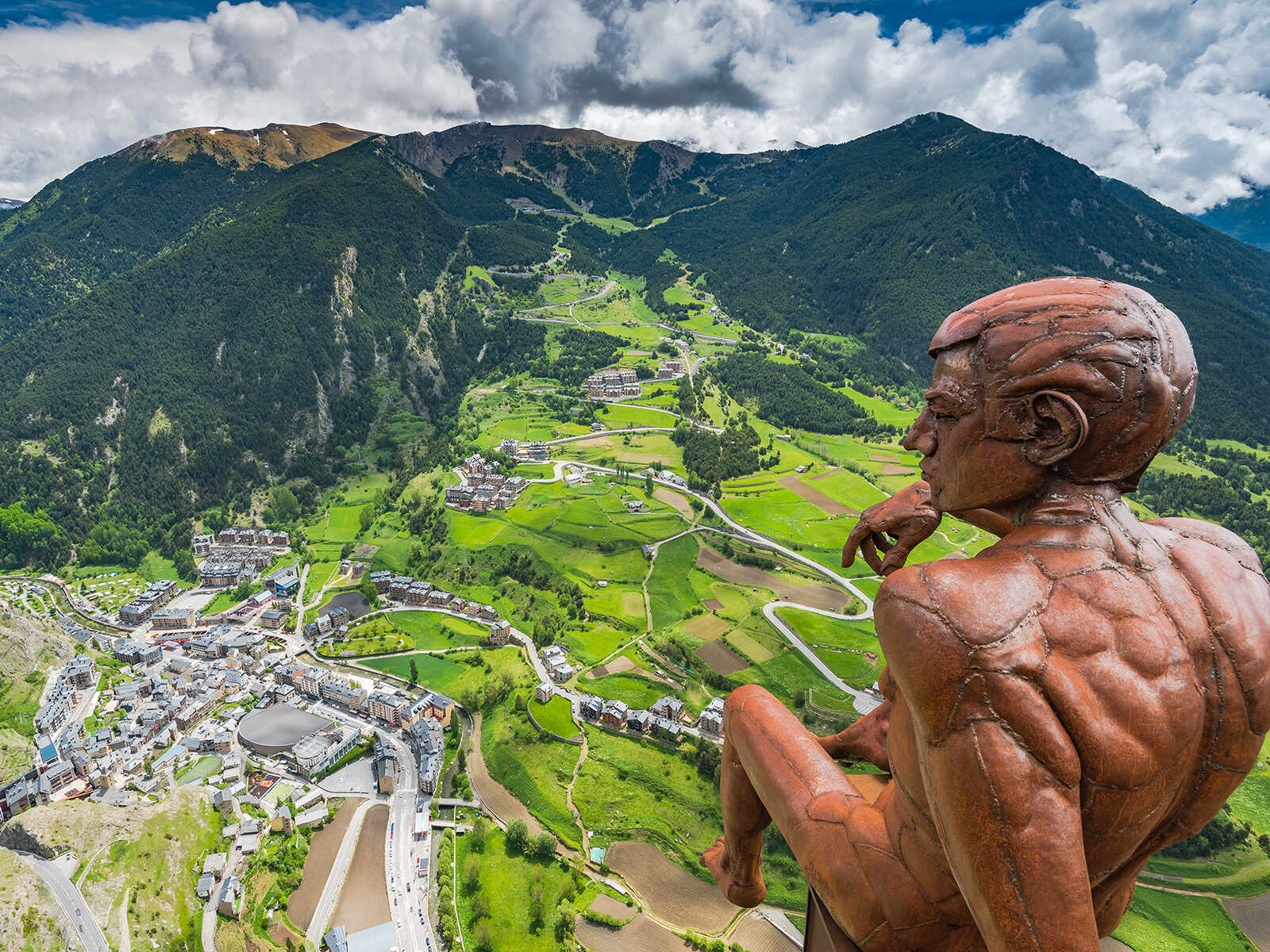
Summer is peak season for hiking, mountain biking, and a wide array of adventure sports like canyoning, via ferrata, and climbing. Explore the UNESCO-listed Madriu-Perafita-Claror Valley or discover the rich biodiversity of Parc Natural de la Vall de Sorteny. Families will enjoy the diverse activities at Naturlandia, while art enthusiasts can seek out the monumental sculptures like The Nobility of Time. Numerous outdoor festivals, concerts, and cultural events also take place, adding to the lively atmosphere.
Travel Tip:Even in summer, mountain weather can change quickly. Always pack layers and be prepared for cooler temperatures and potential rain, especially on longer hikes.
Pros & Cons
- Pros:Ideal weather for all outdoor activities, long daylight hours, vibrant atmosphere with many events, full access to all trails and attractions.
- Cons:Can be crowded, particularly in August, leading to busier trails and higher demand for services.
Autumn Hues & Tranquility: September to November
Weather & Climate
Autumn brings a spectacular transformation to Andorra's landscape as the forests burst into vibrant shades of red, orange, and gold. Temperatures are cool and crisp, often with bright sunny days in September and early October. As November approaches, the chill sets in, and the first snowfalls might appear at higher altitudes, signaling the coming winter.
Key Activities & Events
This is arguably the most beautiful time for hiking, with stunning fall foliage providing a breathtaking backdrop. Trails in areas like Parc Natural de la Vall de Sorteny are particularly scenic. It's also a great time for cultural exploration, visiting museums or the tranquil churches of La Cortinada, as the summer crowds dissipate. Mushroom foraging is a popular local pastime. Before the ski season properly begins, you can enjoy the peace and quiet, perhaps indulging in some relaxation at Caldea.
Pros & Cons
- Pros:Stunning natural beauty with autumn colors, fewer crowds than summer or winter, pleasant temperatures for hiking, excellent photography opportunities.
- Cons:Shorter daylight hours, some attractions may begin to close for the winter season, cooler temperatures require warmer clothing, potential for early snow later in the season.
Considerations for Planning Your Trip
Crowds and Demand
Andorra experiences peak tourist seasons in winter (especially around Christmas, New Year, and February school holidays) and summer (July and August). If you prefer a quieter experience, consider visiting during the shoulder seasons of spring (May-June) or autumn (September-October).
What to Pack
Regardless of the season, layering is always recommended due to the mountainous terrain and potential for rapid weather changes.
- Winter:Warm, waterproof clothing, thermal layers, hats, gloves, sturdy waterproof boots.
- Spring/Autumn:Layers, waterproof jacket, comfortable hiking shoes, light gloves for cooler mornings/evenings.
- Summer:Light clothing, sun protection (hat, sunglasses, sunscreen), sturdy hiking shoes, a fleece or light jacket for evenings and higher altitudes, rain jacket.
Ultimately, When is the Best Time forYou?
- For Skiers & Snowboarders:December to March offers the best snow conditions and a lively atmosphere.
- For Hikers & Nature Lovers:July and August provide full access to all trails and warm weather. May-June and September-October are excellent for fewer crowds and beautiful scenery (spring blooms or autumn colors).
- For Budget-Conscious Travelers:Shoulder seasons (late spring and early autumn) often see lower demand and potentially more competitive rates for accommodation and activities.
- For Tranquility Seekers:Late spring (May-June) and early autumn (September-October) offer a peaceful experience with fewer tourists.
- For Family Fun:Summer (July-August) has the widest range of family-friendly activities, though winter is also magical for snow-based fun.
Andorra truly is a year-round destination, with each season offering a unique charm and set of activities. By aligning your travel dates with your personal interests, you're sure to have an unforgettable experience in this magnificent Pyrenean haven.