
Andorran Culture & Traditions: Understanding the Pyrenean Way of Life
Nestled high in the Pyrenees, Andorra offers a fascinating blend of Catalan heritage, French sophistication, and Spanish vibrancy, all shaped by its dramatic mountainous landscape. Delving into Andorran culture means discovering a resilient way of life, rich in tradition yet welcoming of modernity.
A Rich Tapestry of Influences
Andorra's unique cultural identity is a direct result of its geographical position and long history. Surrounded by France and Spain, the principality has absorbed elements from both while fiercely maintaining its distinct Pyrenean character.
Language and Identity: Catalan at its Core
The official language of Andorra isCatalan, a Romance language spoken in Catalonia, Valencia, and the Balearic Islands. This linguistic cornerstone is central to Andorran identity, taught in schools and used in all official capacities. While Catalan predominates, Spanish, French, and Portuguese are also widely spoken due to the country's diverse population and tourism.
Government and Sovereignty: A Unique Co-Principality
Andorra boasts one of the world's most unique political systems: a co-principality. Since 1278, it has been jointly ruled by two co-princes: the Bishop of Urgell (Spain) and the President of France. This ancient agreement has allowed Andorra to maintain its sovereignty and independence for centuries, fostering a deeply rooted sense of national pride.
Festivals and Celebrations: A Vibrant Calendar
Andorran life is punctuated by a calendar of lively festivals and celebrations, many with deep historical and religious roots. These events are a fantastic way to experience the country's communal spirit and traditions firsthand.
National Day: The Meritxell Festival
September 8th marks the most important date on the Andorran calendar: theFeast of Our Lady of Meritxell. This national holiday honors the patron saint of Andorra with religious ceremonies, traditional dances like thecontrapàsandmarratxa, and general festivities across the country. It's a day of profound patriotism and cultural pride.
Local Fiestas and Carnivals
Throughout the year, towns and villages host their own local fiestas (festes majors), celebrating patron saints or harvest seasons. These events often feature traditional music, parades, and communal meals. Carnival, preceding Lent, is another period of joyous revelry, with colorful costumes, street parties, and satirical performances.
Sant Jordi: A Celebration of Books and Roses
While not unique to Andorra, the Catalan tradition ofSant Jordi's Day(Saint George's Day) on April 23rd is enthusiastically celebrated. On this day, men give women roses, and women give men books, symbolizing love and culture. Streets are filled with stalls selling flowers and literature, creating a romantic and intellectual atmosphere.
Gastronomy: Flavors of the Mountains
Andorran cuisine is a hearty reflection of its Pyrenean environment, characterized by robust flavors and seasonal ingredients. It shares many similarities with Catalan cooking but features its own distinct mountain adaptations.
- Escudella:A substantial winter stew, often containing various meats, vegetables, and pasta.
- Trinxat:A comforting dish made from mashed potatoes, cabbage, and pork bacon, fried until crispy.
- Cunillo:Rabbit stew, often prepared with mushrooms and a rich sauce.
- Embotits:A variety of cured meats, including sausages and hams, often homemade.
- Local Cheeses:Produced from sheep or goat's milk, these cheeses are a staple.
- Wild Mushrooms and Trout:Foraged mushrooms and fresh trout from mountain streams are seasonal delicacies.
To complement the meal, traditional drinks like local wines or the herbal liqueurRatafiaare often enjoyed.
Andorran cuisine, while rooted in Catalan tradition, features unique mountain adaptations, emphasizing seasonal ingredients and hearty sustenance, perfect for its Pyrenean setting. It's a taste of the mountains on your plate.
Arts, Crafts, and Architecture
Andorra's artistic heritage is deeply tied to its religious history and natural surroundings, evolving to incorporate contemporary expressions.
Romanesque Art and Architecture
The principality is dotted with over 40 small, exquisiteRomanesque churches, many dating back to the 11th and 12th centuries. These sturdy stone structures, often featuring Lombard bell towers and intricate frescoes, are a testament to Andorra's enduring faith and artistic past. A prime example is the church of Sant Martí de La Cortinada. The entire Madriu-Perafita-Claror Valley, a UNESCO World Heritage site, is a cultural landscape showcasing centuries of human interaction with the mountain environment, including Romanesque elements.
Contemporary Art and Museums
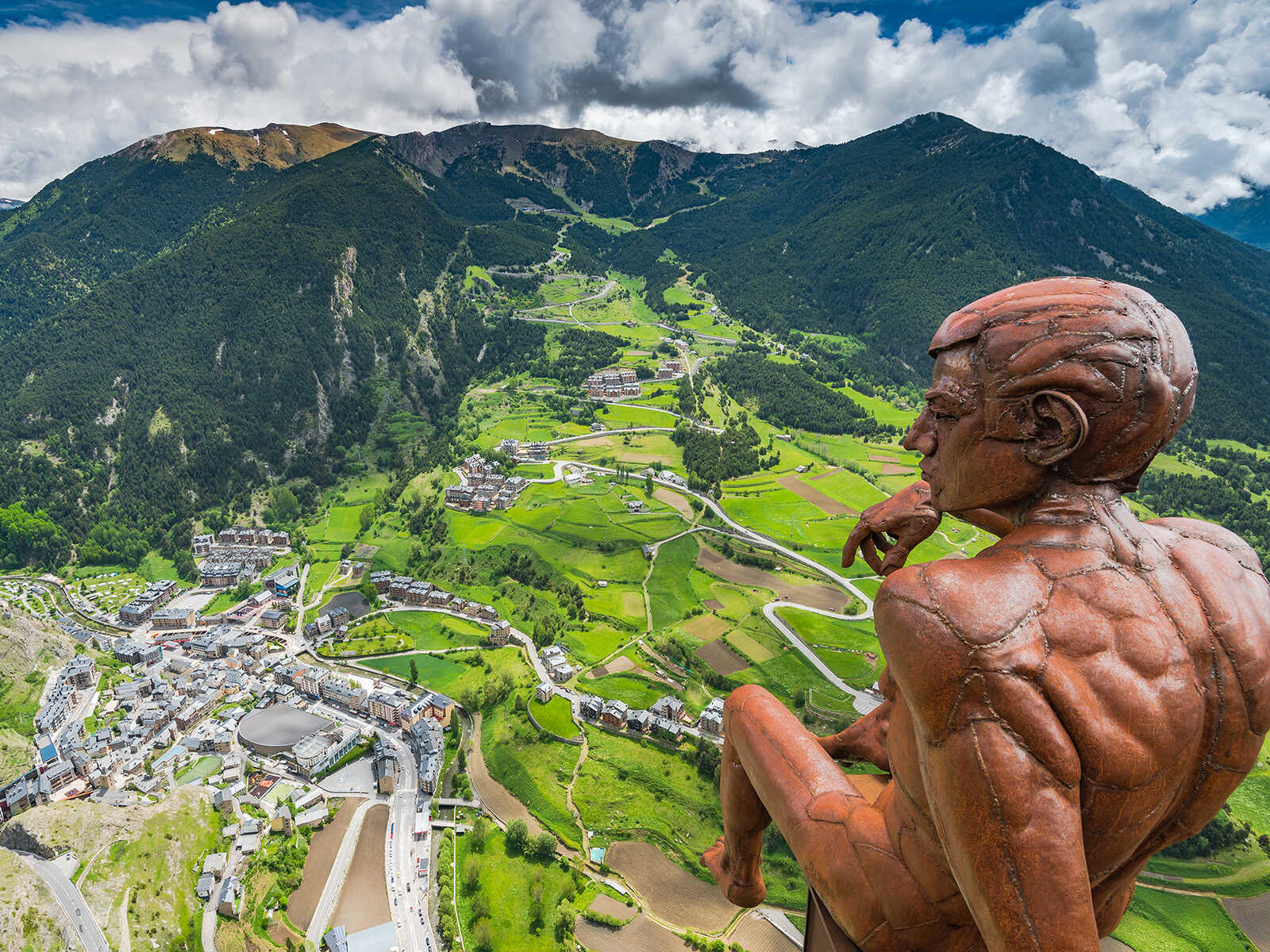
While proud of its history, Andorra also embraces modern art. Various galleries and public spaces display contemporary works. A notable piece of public art is Salvador Dalí's sculpture,The Nobility of Time, located in Andorra la Vella, serving as a powerful symbol of artistic expression.
Traditional Crafts
Traditional Andorran crafts often reflect the resources available in the mountains. Wood carving, especially for household items and decorative pieces, is a long-standing practice. Weaving, particularly of wool, and ceramics also form part of the country's artisanal tradition.
Lifestyle and Values: Respect for Nature and Community
The Pyrenean way of life in Andorra is characterized by a strong connection to nature, close-knit communities, and an emphasis on family.
Outdoor Living and Sports
With its stunning natural landscape, outdoor activities are integral to the Andorran lifestyle. Hiking through breathtaking scenery, such as the Parc Natural de la Vall de Sorteny, skiing in world-class resorts like Pas de la Casa, and mountain biking or engaging in adventure sports at places like Naturlandia are immensely popular. The focus on well-being extends to thermal spas, with Caldea being a famous example, offering relaxation amidst the mountains.
Family and Community
Andorran society places a high value on family ties and community spirit. Generations often live close to each other, and communal events reinforce social bonds. Respect for elders and a supportive neighborhood network are deeply ingrained cultural values.
Sustainability and Preservation
There's a strong commitment in Andorra to preserving its pristine natural environment and unique cultural heritage. Efforts are made to balance tourism and development with ecological sustainability, ensuring that the Pyrenean way of life endures for future generations.
Understanding Andorran Etiquette
Visitors will find Andorrans generally welcoming and polite. A few simple considerations can enhance your experience:
- Greetings:A simple "Hola" or "Bon dia" (good day) is always appreciated.
- Punctuality:While generally relaxed, it's polite to be on time for appointments or reservations.
- Dress:Casual attire is common, especially in outdoor settings, but respectful dress is appropriate when visiting churches or formal establishments.
- Tipping:Tipping is not mandatory but appreciated for good service in restaurants and cafes.
- Respect:Always show respect for local customs, traditions, and the beautiful natural environment.
Experiencing Andorran Culture
To truly understand the Pyrenean way of life, immerse yourself. Visit local markets to taste traditional produce, attend a village festival to witness authentic dances, or simply enjoy a meal in a traditionalborda(Andorran farmhouse restaurant). Engage with locals, learn a few Catalan phrases, and embrace the rhythm of mountain living.
Andorra offers more than just stunning landscapes and duty-free shopping; it provides a window into a resilient culture that has thrived for centuries in the heart of the Pyrenees. Its blend of tradition and modernity, coupled with a deep respect for its natural surroundings, creates a truly unforgettable experience for every visitor.