
Andorra Visa Requirements: What Travelers Need to Know
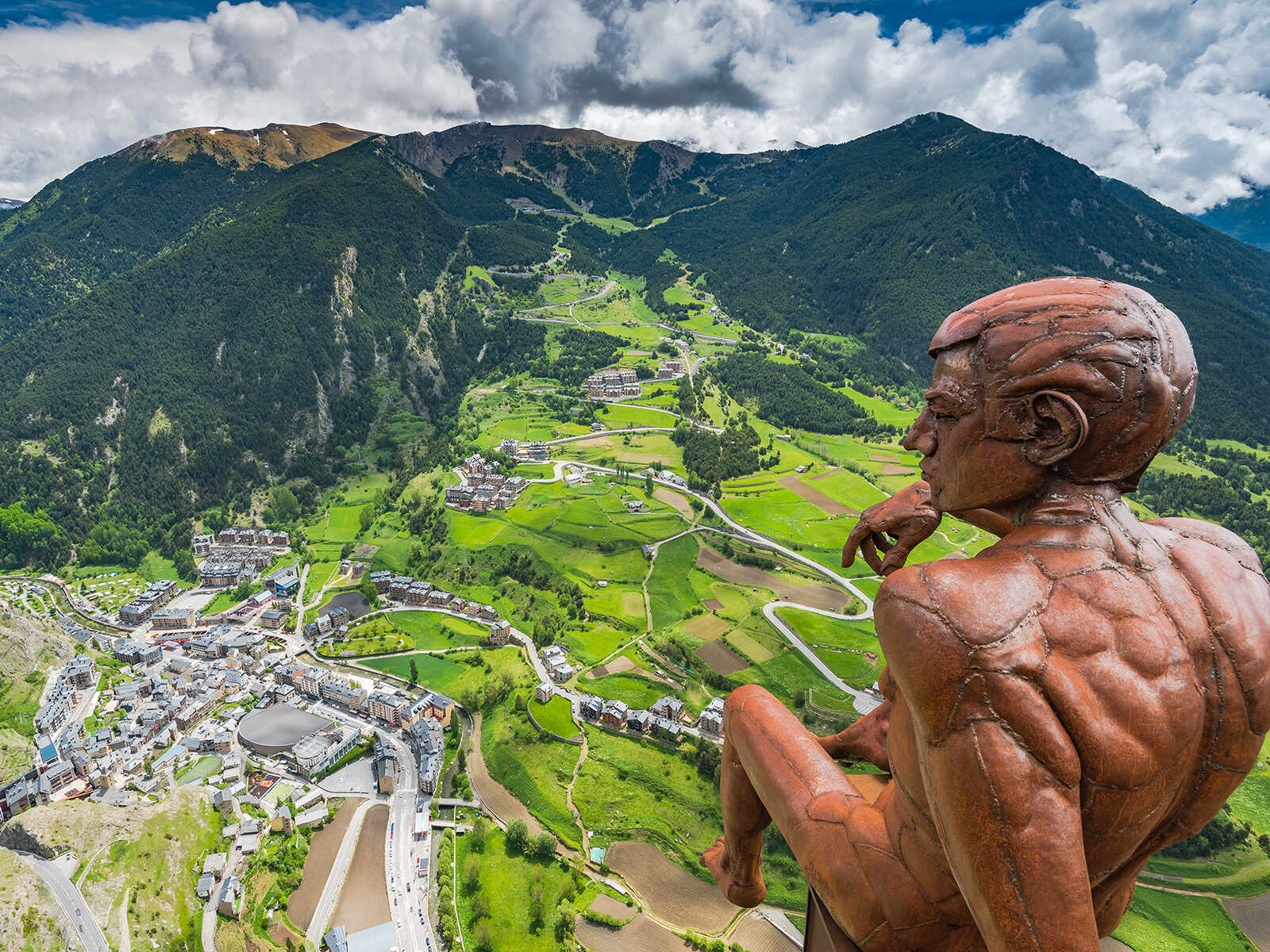
Andorra, a picturesque microstate nestled high in the Pyrenees between France and Spain, captivates visitors with its stunning mountain scenery, exceptional skiing, and duty-free shopping. While it offers an unforgettable escape, understanding its unique visa situation is crucial for a smooth journey. This guide will clarify everything you need to know about entering Andorra.
Andorra's Unique Border Status: Not Part of Schengen, But Practically Connected
Unlike its larger neighbors, Andorra is not a member of the European Union or the Schengen Area. This distinction is vital, yet its practical implications for most tourists are straightforward: because Andorra is landlocked and accessible only via France or Spain, all travelers must first enter the Schengen Area to reach it. This means that your visa requirements for Andorra are, in essence, determined by the Schengen Area's regulations.
There are no international airports in Andorra, nor are there direct flights. All arrivals are by road, typically from Toulouse (France) or Barcelona (Spain). Therefore, securing the appropriate entry permission for France or Spain is the primary step in planning your trip to Andorra.
Who Needs a Schengen Visa to Enter Andorra?
If your nationality requires a Schengen visa to enter the Schengen Area (which includes France and Spain), then you will need a valid Schengen visa to visit Andorra. This visa allows you to travel freely within the Schengen zone for up to 90 days within any 180-day period.
Common examples of countries whose citizens typically require a Schengen visa include (but are not limited to) India, China, Russia, South Africa, and many countries in Africa, Asia, and the Middle East. It's imperative to check the most current list of Schengen visa-required nationalities on the official website of the European Commission or the embassy/consulate of the Schengen country you plan to enter first.
Applying for a Schengen Visa
The application process for a Schengen visa involves several steps:
- Determine Your Entry Point:Apply to the embassy or consulate of the Schengen country where you will first enter the Schengen Area (e.g., France if flying into Toulouse, Spain if flying into Barcelona).
- Gather Documents:This typically includes a valid passport, visa application form, recent passport-sized photos, travel medical insurance, proof of accommodation (hotel bookings in Andorra or France/Spain), proof of sufficient funds, a detailed itinerary, and a return flight ticket.
- Schedule an Appointment:Most embassies or consulates require an appointment for visa applications.
- Attend Interview:You may need to attend an interview and provide biometric data.
It's advisable to apply for your Schengen visa well in advance of your planned travel dates, as processing times can vary.
Who Does Not Need a Schengen Visa to Enter Andorra?
If your nationality is exempt from Schengen visa requirements, you generally do not need a visa to enter the Schengen Area (and subsequently Andorra) for short stays of up to 90 days within any 180-day period. This typically applies to citizens of:
- European Union (EU) and European Economic Area (EEA) countries.
- The United States, Canada, United Kingdom, Australia, New Zealand, and many other countries with visa-waiver agreements.
Even if you are visa-exempt, you will still need a valid passport and may be asked to show proof of onward travel, accommodation, and sufficient funds by border officials when entering the Schengen Area. Furthermore, travelers from visa-exempt countries (excluding EU/EEA citizens) will soon need to apply for an ETIAS authorization(European Travel Information and Authorisation System) before traveling to the Schengen Area. This system is expected to be fully operational in mid-2025.
Travel Tip:Always double-check your specific nationality's visa requirements with the embassy or consulate of France or Spain, or consult a reputable visa service, before making travel plans. Visa regulations can change, and it's best to have the most up-to-date information.
Essential Documents for All Travelers to Andorra
Regardless of whether you need a Schengen visa or not, all travelers should carry the following documents:
- Valid Passport:Your passport should be valid for at least three to six months beyond your intended departure date from the Schengen Area (check specific country requirements).
- Proof of Onward/Return Travel:A confirmed flight ticket showing your departure from the Schengen Area.
- Proof of Accommodation:Hotel bookings for your entire stay in Andorra and any nights in France or Spain. Visitors seeking relaxation might book a stay near Caldea, Europe's largest thermal spa.
- Proof of Sufficient Funds:Evidence that you have enough money to cover your expenses during your stay. This could be bank statements, credit card statements, or cash.
- Travel Insurance:While not always strictly mandatory for visa-exempt travelers, comprehensive travel insurance covering medical emergencies, repatriation, and trip cancellations is highly recommended for everyone. It is a mandatory requirement for Schengen visa applicants.
- Travel Itinerary:A detailed plan of your trip, including places you intend to visit. Andorra offers diverse attractions, from the natural beauty of Parc Natural de la Vall de Sorteny and the UNESCO-listed Madriu-Perafita-Claror Valley to adventure parks like Naturlandia.
Traveling with Minors
If you are traveling to Andorra with minors, especially if you are not both biological parents or if the child is traveling with someone other than their parents, specific documentation may be required. This could include:
- The child's birth certificate.
- A notarized letter of consent from the absent parent(s) or legal guardian(s).
- Copies of the absent parent's/guardian's passport or ID.
Always verify these requirements with the relevant embassy or consulate to avoid any issues at the border.
Staying Longer Than 90 Days
The 90-day rule for short-stay visas (Schengen or visa-exempt) applies to the entire Schengen Area, not just a single country. If you wish to stay in Andorra for longer than 90 days, for purposes such as work, study, or residency, you would need to apply for a long-stay visa or residence permit directly from the Andorran authorities. This is a separate and more complex process than a tourist visa.
Customs and Border Control When Entering Andorra
When traveling from France or Spain into Andorra, you will pass through border control checkpoints. While these checks are generally less stringent than full international border controls, Andorran customs officials may stop vehicles for inspections, particularly checking for goods exceeding duty-free allowances. Remember that Andorra has its own customs regulations, distinct from the EU.
Be prepared to present your passport and any required visa. Although Andorra does not typically stamp passports upon entry or exit for tourists, ensure you retain your Schengen entry stamp from France or Spain, as this validates your legal entry into the Schengen zone.
Driving through the scenic Pyrenees towards destinations like Pas de la Casa on the French border or other charming spots like La Cortinada, you'll find the journey itself part of the adventure.
Tips for a Smooth Journey
- Plan Ahead:Start your visa application process (if needed) well in advance.
- Organize Documents:Keep all your travel documents, including passport, visa, flight tickets, and accommodation bookings, easily accessible.
- Stay Informed:Check for any last-minute travel advisories or changes in visa regulations before your trip.
- Declare Goods:Be honest about any goods you are bringing into Andorra to avoid customs issues.
- Enjoy the Culture:Once your entry is secured, take time to explore Andorra's unique blend of culture and nature, perhaps visiting the intriguing outdoor sculpture The Nobility of Time.
Understanding Andorra's visa requirements means understanding the Schengen Area's rules. By planning ahead and ensuring you have all the necessary documentation, you can look forward to an enjoyable and hassle-free visit to this stunning Pyrenean gem.