
A Brief History of Andorra: From Co-Principality to Modern Nation
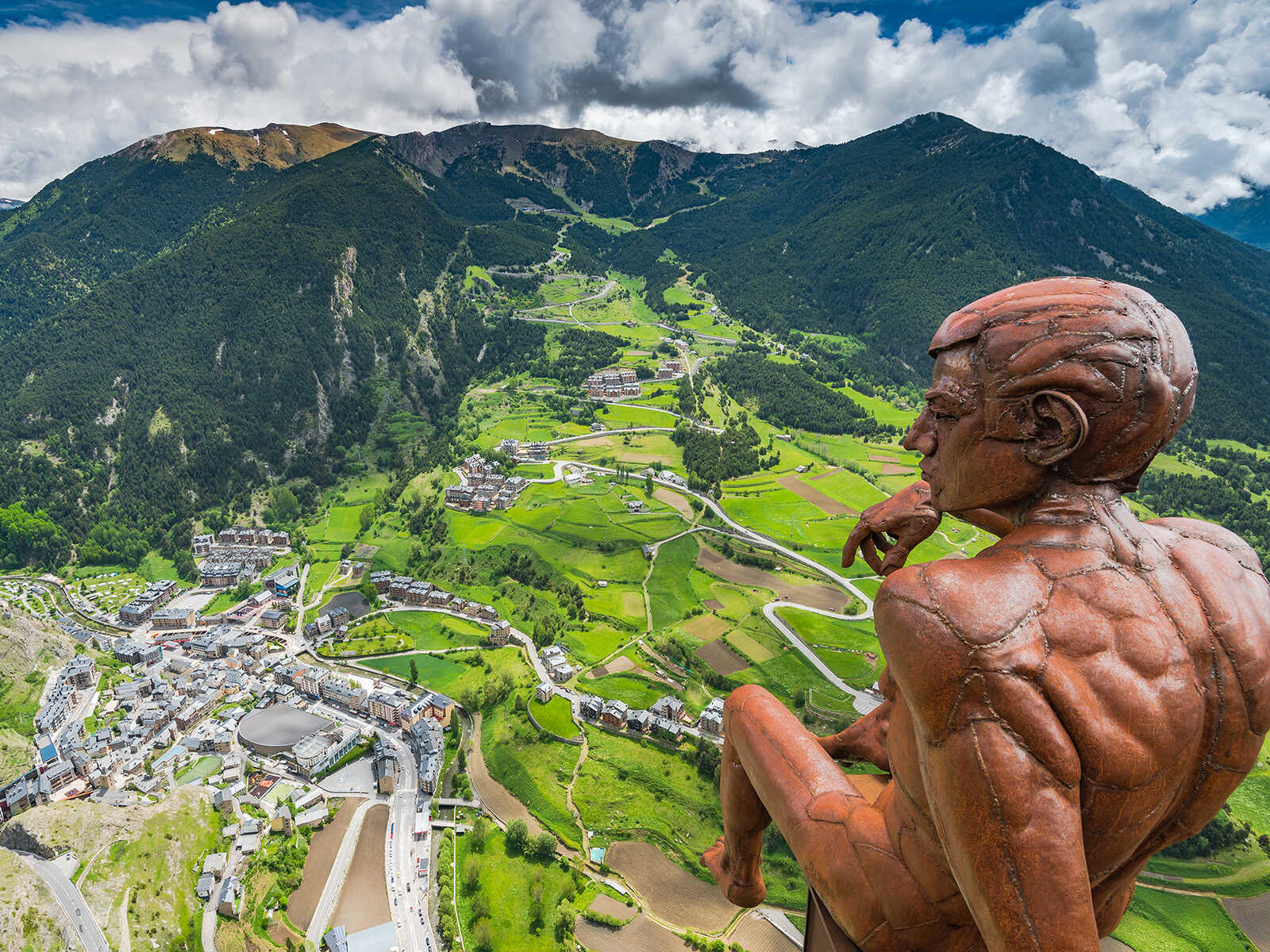
Nestled high in the Pyrenees between France and Spain, Andorra boasts a history as unique as its mountainous landscape. For centuries, this tiny European co-principality has maintained a remarkable independence, evolving from a feudal holdover into a vibrant, modern nation while preserving its distinct cultural identity.
The Origins and Early Days: A Feudal Exception
Andorra's story begins shrouded in legend, often tied to Charlemagne, who is said to have granted a charter to the Andorran people in 805 AD for their aid against the Moors. While the precise details remain debated, this early period established Andorra as a distinct entity within the sprawling Carolingian Empire.
Its geographical isolation, tucked away in deep valleys, played a crucial role in its survival and unique development. This remoteness shielded it from many of the conflicts that reshaped its larger neighbours.
The Pariatges: Birth of the Co-Principality
The most defining moment in Andorra's early history came in the 13th century with the signing of thePariatges(co-sovereignty treaties). For years, the territory was disputed between the Bishop of Urgell (in present-day Spain) and the Counts of Foix (in present-day France).
To end the conflict, the first Pariatge was signed in 1278, establishing a unique system of shared sovereignty. Andorra would be governed jointly by two co-princes: the Bishop of Urgell and the Count of Foix. This extraordinary arrangement, solidified by subsequent agreements, laid the foundation for Andorra's enduring independence and its distinctive political structure that persists to this day.
Did you know?The Count of Foix's title eventually passed through inheritance to the King of France, and then, after the French Revolution, to the President of France. This means the current President of France serves as one of Andorra's two co-princes, a truly unique and historical link!
Centuries of Isolation and Stability
For more than 700 years, the Pariatges ensured Andorra's remarkable stability. While Europe was ravaged by wars, revolutions, and shifting borders, Andorra remained largely untouched. Its co-principality status effectively acted as a mutual non-aggression pact between its powerful neighbours, who each had a vested interest in maintaining the status quo.
This long period of relative isolation meant that Andorra's traditions, language (Catalan), and unique legal system remained largely preserved. Life was predominantly agrarian, with communities living self-sufficiently, largely dependent on farming, shepherding, and the occasional trade through mountain passes.
The Slow March Towards Modernity
The 19th and early 20th centuries saw Andorra slowly begin to emerge from its centuries-long slumber. The construction of the first proper roads in the 1930s, connecting Andorra to France and Spain, marked a significant turning point, breaking down some of its geographical barriers.
Economic transformation began in earnest after World War II. Its duty-free status, stemming from its historical isolation and unique customs, became a powerful magnet for tourism and commerce. This, coupled with the development of its banking sector, rapidly shifted Andorra's economy away from agriculture. Ski resorts began to flourish, attracting visitors seeking winter sports and shopping opportunities. Destinations like Pas de la Casa became popular for both skiing and cross-border trade.
The Democratic Transformation: A New Constitution
Despite its long history of self-governance, Andorra remained largely feudal in its political structure well into the 20th century. Universal suffrage for men was only granted in 1933, and for women in 1970. The real push for full democratic reform came in the late 20th century.
In 1993, Andorra took a monumental step by approving its first written constitution. This document transformed the co-principality into a modern, independent parliamentary democracy while crucially retaining the co-princes as ceremonial heads of state. The new constitution also paved the way for Andorra to join the United Nations as a full member, marking its formal entry onto the international stage as a sovereign nation.
A Modern Microstate:Andorra's 1993 constitution was a testament to its ability to modernize while honouring its unique historical governance. It demonstrated a commitment to democratic values without abandoning the very structure that had preserved its independence for so long.
Andorra Today: A Thriving Microstate
Today, Andorra stands as a testament to its remarkable history. It is a prosperous microstate, renowned for its stunning natural beauty, vibrant tourism industry, and robust financial sector. Visitors flock to its mountains for world-class skiing in winter and hiking, cycling, and exploring in summer.
Its commitment to preserving its natural heritage is evident in areas like the Parc Natural de la Vall de Sorteny and the Madriu-Perafita-Claror Valley, a UNESCO World Heritage site, which offer breathtaking landscapes and unique ecosystems. Adventure seekers can find thrills at Naturlandia, while those seeking relaxation and wellness can indulge at Caldea, Europe's largest mountain spa complex.
Culturally, Andorra embraces its past while looking to the future. Romanesque churches dot the landscape, offering glimpses into its medieval heritage, such as those found near La Cortinada. Modern art also finds a home, with unique installations like Salvador Dalí's sculpture,The Nobility of Time, adding to its contemporary appeal.
Conclusion
From its legendary founding to the signing of the Pariatges, through centuries of quiet isolation, and finally to its modern democratic transformation, Andorra's history is a compelling narrative of resilience, adaptation, and unique governance. This small nation, often overlooked on maps, has carved out a distinct identity, proving that even the smallest states can leave an indelible mark on the tapestry of European history while forging a dynamic future.