
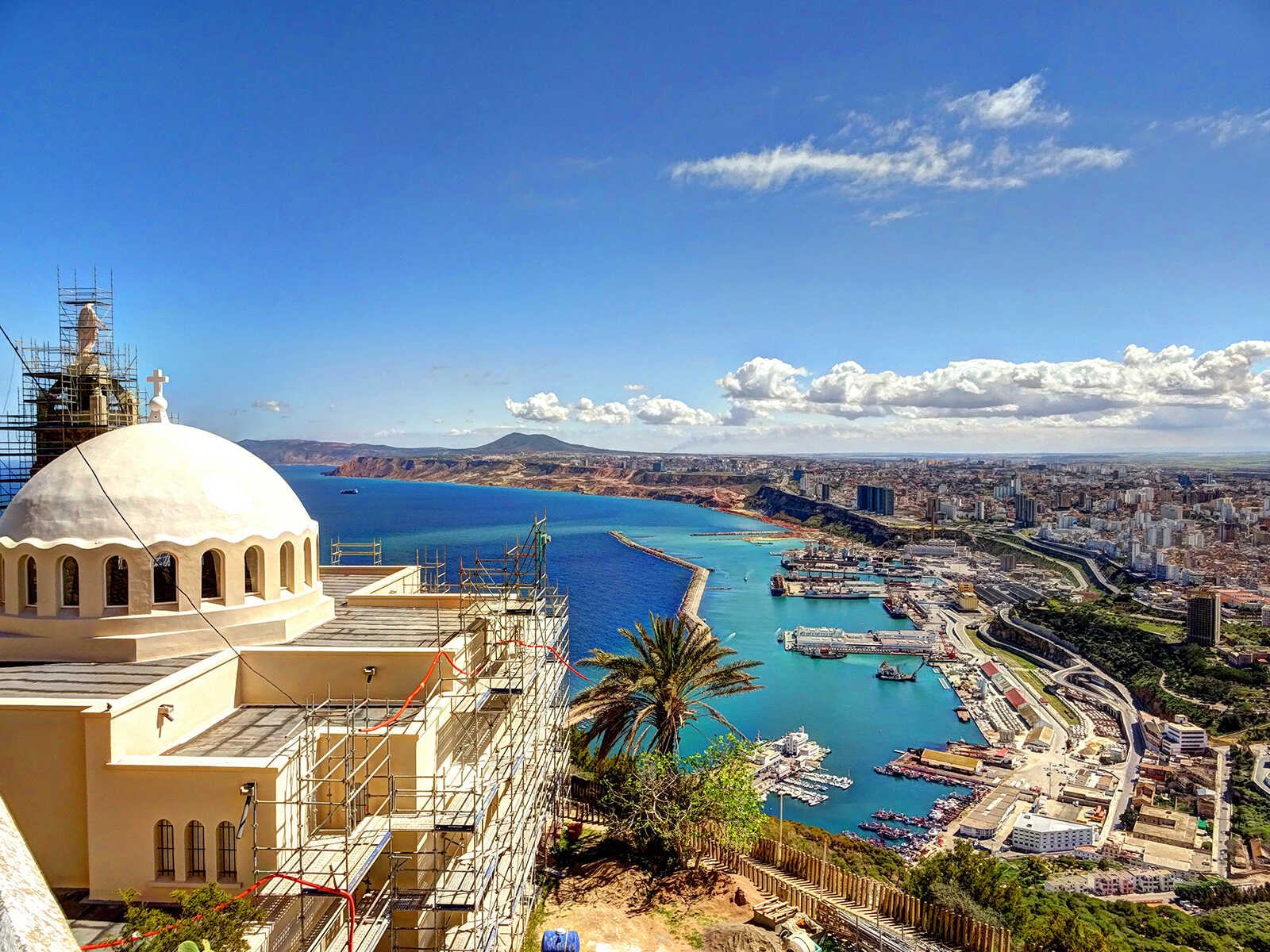
Understanding Algerian Etiquette: Do's and Don'ts for Visitors
Algeria, a land of captivating history, stunning landscapes, and warm hospitality, offers an enriching experience for travelers. To truly immerse yourself and ensure a respectful journey, understanding local customs and etiquette is paramount. This guide will help you navigate social interactions with confidence and grace.
Algerian culture is deeply rooted in Islamic traditions and Arab-Berber heritage, emphasizing respect, family, and generosity. While Algerians are generally welcoming of visitors, observing their customs shows appreciation and can open doors to more authentic interactions.
Greetings and Social Interactions
First impressions matter, and a proper greeting sets a positive tone for any interaction.
The Art of Greeting
- Do:Use "Salam alaikum" (Peace be upon you) when greeting someone, especially elders or in more traditional settings. The response is "Wa alaikum assalam" (And upon you be peace).
- Do:Offer a handshake to men. If a woman extends her hand, you may reciprocate, but generally, it's best to wait for her lead. Many Algerian women prefer a verbal greeting or a slight nod.
- Do:Greet the oldest person in a group first as a sign of respect.
- Don't:Rush greetings. Algerians often take their time, exchanging pleasantries and inquiring about family and health.
- Don't:Engage in public displays of affection (PDA) with a partner, such as kissing or hugging, as it is considered inappropriate. Holding hands might be acceptable for married couples in some areas, but discretion is key.
Hospitality and Invitations
Algerian hospitality is legendary. You may find yourself invited for tea or even a meal, which is a great honor.
- Do:Accept offers of tea or coffee. Refusing immediately can be seen as impolite. If you truly cannot, decline politely but firmly.
- Do:Bring a small gift if invited to someone's home – sweets, pastries, or a souvenir from your home country are appropriate. Avoid alcohol or gifts for children that might be too ostentatious.
- Do:Remove your shoes before entering a private home. Look for cues from your host.
- Don't:Overstay your welcome, especially if you sense your hosts are tired.
Dress Code: Modesty is Key
Algeria is a conservative country, and dressing modestly is a sign of respect for local customs, particularly outside of modern city centers or beach resorts.
- Do:For women, wear loose-fitting clothing that covers your shoulders, chest, and knees. Long skirts, dresses, or trousers are ideal. A headscarf is not generally required for foreign women but is advisable when visiting religious sites like mosques or traditional areas like the Casbah of Algiers.
- Do:For men, long trousers and shirts (short or long-sleeved) are appropriate. Avoid wearing shorts in cities or religious areas.
- Do:Pack comfortable, sturdy shoes, especially if you plan to explore historical sites such as the Roman Ruins of Djemila or the Historic site Tipasa.
- Don't:Wear revealing clothing, such as short shorts, mini-skirts, tank tops, or low-cut tops, especially when visiting public places, markets, or religious sites like the Basilique Notre Dame d'Afrique.
Dining Etiquette
Meals are an important social event in Algeria, often shared with family and friends.
- Do:Eat and pass food with your right hand, as the left hand is considered unclean in Islamic culture.
- Do:Wait to be seated and for the host to begin eating or indicate it's time to start.
- Do:Try a little bit of everything offered. It's polite to accept food, and hosts often encourage guests to eat more.
- Don't:Refuse food outright if offered; instead, take a small portion and eat slowly. If you genuinely cannot eat more, say "Shukran, hamdulillah" (Thank you, praise be to God) to indicate you are full.
- Don't:Point with your fingers, especially at food or people.
- Don't:Use alcohol or pork products, as they are forbidden in Islam and not generally consumed by most Algerians.
Fun Fact:Algerian cuisine is a delicious blend of Berber, Arab, Turkish, and French influences. Couscous is the national dish, often served with rich stews of meat and vegetables.
Photography and Privacy
Capturing memories is part of travel, but be mindful of privacy.
- Do:Always ask for permission before taking photos of people, especially women and children. A polite gesture and "Mumkin soura?" (May I take a photo?) often suffice. Respect a "no."
- Do:Feel free to photograph landscapes and architectural marvels like those in Tassili n'Ajjer or Ahaggar National Park, but remain aware of your surroundings.
- Don't:Photograph government buildings, military installations, or police personnel, as this is often prohibited and can lead to serious issues.
- Don't:Take photos inside mosques or other religious sites without explicit permission.
Religious and Cultural Sensitivity
Algeria is predominantly Muslim, and religious practices permeate daily life.
- Do:Be aware of prayer times. During these times, you might find shops closed, and people less available.
- Do:Exercise extra sensitivity if visiting during the holy month of Ramadan. Eating, drinking, and smoking in public during fasting hours (sunrise to sunset) are considered highly disrespectful.
- Do:Learn a few basic Arabic or French phrases. "Shukran" (Thank you), "Min fadlak" (Please), and "Afwan" (You're welcome) will be greatly appreciated.
- Don't:Criticize Islam, the government, or local politics openly. Discussions on these topics can be sensitive.
- Don't:Engage in loud or disruptive behavior in public, especially in residential areas or near religious sites like those found in the M'Zab Valley.
Navigating Public Spaces
Whether exploring the vibrant markets of Tlemcen or walking across the Sidi M'Cid Bridge, general decorum is important.
- Do:Maintain a respectful distance when speaking to strangers.
- Do:Be patient and polite in queues or crowded places.
- Don't:Point at people with your finger, as it can be considered rude.
- Don't:Offer money to beggars directly; if you wish to help, consider donating to local charities.
Final Thoughts
Traveling in Algeria is an experience filled with warmth and discovery. By being mindful of these cultural nuances, you not only ensure a smoother trip but also show respect for the rich traditions of the Algerian people. Embrace the differences, ask questions respectfully, and allow yourself to be captivated by the country's unique charm.
Your willingness to understand and adapt to local customs will undoubtedly lead to more authentic interactions and a truly memorable Algerian adventure.