
Roman Ruins of Djemila: A Traveler's Guide to Ancient Setif
Nestled amidst the rugged hills of Algeria lies Djemila, a remarkably preserved Roman city often overlooked but breathtaking in its scale and history. Known in antiquity as Cuicul, this UNESCO World Heritage site offers an unparalleled journey back in time, revealing the grandeur of Roman urban planning in North Africa.
Discovering Djemila: Ancient Cuicul
Djemila, meaning "the beautiful" in Arabic, lives up to its name. Founded by Emperor Nerva at the end of the 1st century AD, Cuicul began as a military garrison before evolving into a thriving Roman colony. Its strategic location, though remote, allowed it to flourish as an agricultural hub, producing grains, olives, and grapes.
The site's preservation is extraordinary, largely due to its secluded position, which protected it from extensive looting and modern development. What remains is a comprehensive blueprint of a Roman city, showcasing meticulous urban design adapted to its mountainous terrain. Visitors can explore two distinct forums, numerous temples, a basilica, triumphal arches, and extensive residential areas, all testifying to a sophisticated Roman presence.
Fun Fact:Djemila is often cited as one of the best examples of Roman town planning adapted to a mountainous environment, a testament to Roman engineering ingenuity.
A Glimpse into Ancient Life: Key Structures of Djemila
As you wander through Djemila, the city's story unfolds with each structure. The site is divided into two main areas: the original city and the later, expanded quarter.
The Old Forum
At the heart of the original settlement lies the Old Forum, a bustling public square surrounded by key administrative and religious buildings. Here, you'll find the Capitolium, dedicated to Jupiter, Juno, and Minerva, and the Curia, where city magistrates met. The Market (Macellum) with its circular portico and central tholos, provides a fascinating insight into daily commerce.
The Arch of Caracalla
A magnificent triumphal arch dedicated to Emperor Caracalla and his family stands as a gateway to the later expansion of the city. Though partially reconstructed, its imposing structure and intricate carvings are a powerful reminder of Roman imperial power.
The New Forum and Public Buildings
The city expanded significantly in the 3rd century, leading to the creation of a New Forum, larger and more elaborate than its predecessor. This area boasts the impressive Temple of Septimius Severus, a grand basilica, and expansive public baths, complete with intricate mosaic floors that hint at the luxurious lifestyle of its inhabitants.
The Theatre and Christian Quarter
Perched on the city's edge, the ancient theatre once hosted plays and performances, offering spectacular views of the surrounding landscape. Its well-preserved tiered seating and stage area allow visitors to imagine the vibrant cultural life of Cuicul. Later, a Christian quarter emerged, featuring a basilica and a baptistery with beautiful mosaics, reflecting the spread of Christianity in the Roman Empire.
Planning Your Expedition to Djemila
Visiting Djemila requires some planning, but the rewards are immense. It's a journey into a less-traveled, yet incredibly rich, historical landscape.
Getting There
Djemila is located approximately 50 kilometers northeast of Setif, the nearest major city. Setif itself is accessible by domestic flights from Algiers or by road. From Setif, you can arrange a taxi or hire a car for the scenic drive to the ruins. The roads are generally good, making for a comfortable journey.
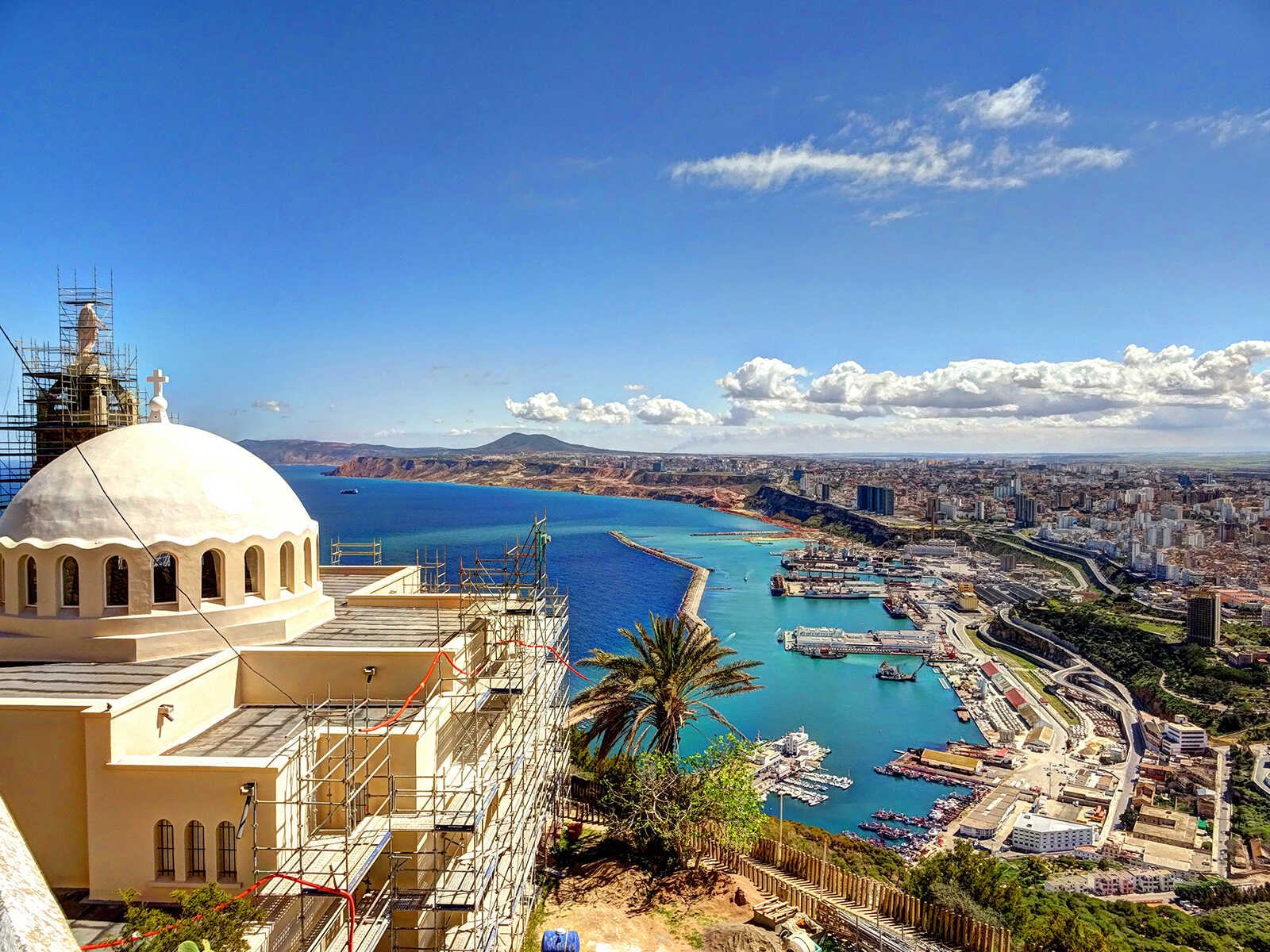
While in Algeria, consider exploring other historical gems. The bustling capital offers sites like the Casbah of Algiers and the serene Basilique Notre Dame d'Afrique. For more Roman history, the coastal ruins of Tipasa are another must-see.
Best Time to Visit
Spring (March to May) and autumn (September to November) offer the most pleasant weather for exploring Djemila. Summers can be very hot, making extensive outdoor exploration challenging. Winters are generally mild but can bring rain.
What to Bring
- Comfortable Walking Shoes:You'll be doing a lot of walking over uneven terrain.
- Sun Protection:A hat, sunglasses, and sunscreen are essential, especially during midday.
- Water and Snacks:While there might be basic facilities, it's wise to carry your own.
- Camera:The photo opportunities are endless!
On-site Facilities and Guides
At the entrance to the site, you'll find the Djemila Museum (Musée de Djemila), which houses an incredible collection of mosaics, sculptures, and artifacts unearthed from the ruins. This museum is a crucial first stop to understand the site's history and appreciate the artistry. While on-site guides may be available, it's often best to arrange a local guide in advance, especially if you prefer English or another specific language.
Beyond Djemila: Exploring the Region
Setif, the provincial capital, serves as a convenient base for exploring Djemila. While not as ancient as Cuicul, it has its own charms and modern amenities. The region surrounding Setif is fertile and historically significant, offering glimpses into Algeria's diverse landscapes and cultures.
Algeria is a country of vast contrasts. From the ancient Roman cities like Djemila and Tipasa to the stunning rock art of Tassili n'Ajjer in the Sahara, and the unique architecture of the M'Zab Valley, there's a wealth of experiences awaiting the adventurous traveler. Consider extending your trip to explore the beautiful city of Tlemcen in the west, or the natural wonders of Ahaggar National Park.
Tips for a Memorable Visit
- Allocate Ample Time:Djemila is vast. Give yourself at least 3-4 hours to properly explore the ruins and visit the museum.
- Hire a Guide:A knowledgeable local guide can bring the stones to life with stories and historical context, enhancing your understanding and appreciation of the site.
- Respect the Site:Djemila is a UNESCO World Heritage site. Tread lightly, do not climb on fragile structures, and dispose of waste properly.
- Embrace the Atmosphere:Djemila often has fewer crowds than more famous Roman sites, allowing for a more intimate and reflective experience. Savor the quiet grandeur.
Conclusion
The Roman Ruins of Djemila offer more than just ancient stones; they provide a profound connection to a bygone era, a testament to human ingenuity and the enduring legacy of the Roman Empire in North Africa. For anyone seeking to delve deep into history, experience breathtaking archaeology, and discover the less-trodden paths of Algeria, Djemila is an indispensable destination. It's a place where every step echoes with centuries of stories, waiting to be heard by the curious traveler.