
Photography Guide to Algeria: Capturing Desert, City, and Coast
Algeria, a land of stark contrasts and profound beauty, offers an unparalleled canvas for photographers. From the infinite horizons of the Sahara Desert to the bustling historic cities and the serene Mediterranean coastline, every corner presents a unique visual story waiting to be told through your lens.
Why Algeria is a Photographer's Dream
Algeria's diverse geography and rich cultural tapestry make it an extraordinary destination for photographers. Imagine capturing the shifting dunes at sunrise, the intricate details of ancient architecture, or the vibrant daily life in a bustling market. This guide will equip you with the knowledge to make the most of your photographic journey across this captivating North African nation.
Essential Gear for Your Algerian Photography Trip
To navigate Algeria's varied landscapes, the right equipment is crucial. Prioritize versatility and protection for your gear.
- Camera Body:A reliable DSLR or mirrorless camera with good low-light performance is ideal.
- Lenses:
- Wide-angle (14-24mm):Essential for sweeping desert landscapes, cityscapes, and grand architectural shots.
- Standard Zoom (24-70mm or 24-105mm):A versatile workhorse for general travel photography, street scenes, and portraits.
- Telephoto Zoom (70-200mm or 100-400mm):Great for isolating details in cityscapes, capturing distant desert formations, or wildlife.
- Fast Prime Lens (e.g., 50mm f/1.8):Excellent for low-light conditions, shallow depth of field portraits, and street photography.
- Tripod:Indispensable for capturing stunning desert star trails, city nightscapes, long exposures of historical sites, and even self-portraits in remote areas.
- Filters:
- Polarizing Filter:Reduces glare, deepens blue skies, and enhances color saturation.
- Neutral Density (ND) Filters:Allows for longer exposures in bright conditions, perfect for capturing movement or smoothing water.
- Batteries and Storage:Pack multiple spare batteries and plenty of memory cards. Power outlets can be scarce in rural and desert areas.
- Cleaning Kit:Sand and dust are omnipresent, especially in the desert. A blower, lens pen, and microfiber cloths are vital.
- Protection:Dust and waterproof camera bags, rain covers, and lens hoods are highly recommended to shield your gear from the elements.
Capturing the Golden Sands: Desert Photography
The Algerian Sahara is a photographer's paradise, offering dramatic landscapes that shift with the light.
The Sahara's Grandeur
The vastness of the Sahara, particularly areas like Tassili n'Ajjer and Ahaggar National Park, demands thoughtful composition. Focus on the interplay of light and shadow on the dunes, the intricate patterns left by the wind, and the expansive horizons. The golden hours (sunrise and sunset) are magical, painting the sand in warm hues and creating long, dramatic shadows. Don't forget to look up; the desert night sky is incredibly clear, perfect for astrophotography.
Photography Tip:When shooting in the desert, use a low ISO and a narrow aperture (f/11-f/16) to ensure maximum sharpness across the vast landscape. Always protect your gear from sand and dust.
Vibrancy and History: City Photography
Algeria's cities are a vibrant tapestry of history, culture, and daily life, offering endless photographic opportunities.
Algiers: A White City's Charm
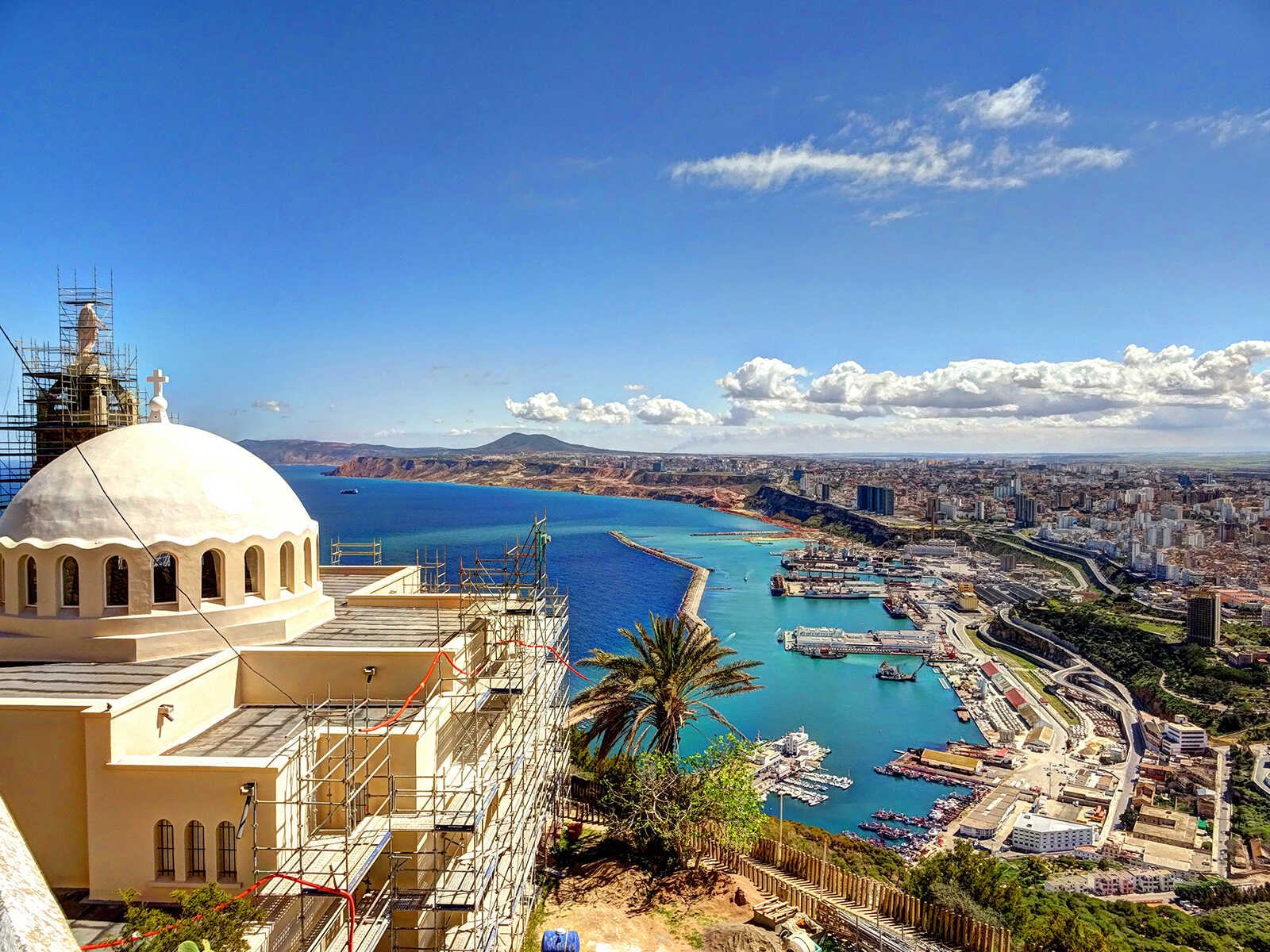
The capital, Algiers, is a city of stunning contrasts. Explore the labyrinthine alleys of the historic Casbah of Algiers, a UNESCO World Heritage site, where every turn reveals a new frame. Capture the grandeur of the Basilique Notre Dame d'Afrique perched dramatically over the bay, or the modernist architecture of the Martyrs’ Memorial. Street photography here thrives on capturing candid moments of local life, from bustling markets to quiet tea houses.
Constantine: City of Bridges
Constantine, the "City of Bridges," offers truly unique photographic angles. Its dramatic topography, carved by a deep gorge, is spanned by several impressive bridges, including the iconic Sidi M'Cid Bridge. Experiment with different vantage points to capture the city's dramatic silhouette against the sky, especially during sunrise or sunset.
Timeless Towns and Ancient Wonders
Beyond the major cities, Algeria boasts ancient sites and traditional towns that are a photographer's delight. The unique pentapolis of the M'Zab Valley, another UNESCO site, offers stunning examples of traditional M'zabite architecture. The magnificent Roman Ruins of Djemila and the coastal Historic site Tipasa provide a glimpse into ancient Roman life, with well-preserved forums, temples, and theaters. Don't miss the rich Andalusian heritage and beautiful mosques of Tlemcen, perfect for architectural detail shots.
Azure Horizons: Coastal Photography
Algeria's Mediterranean coastline stretches for over 1,200 kilometers, offering a different kind of beauty.
Mediterranean Beauty
From rugged cliffs to sandy beaches and charming fishing villages, the coast is ideal for landscape and seascape photography. Capture the vibrant blues of the sea against golden sands, or the dramatic interaction of waves against rocky shorelines. Sunrises and sunsets over the Mediterranean are particularly breathtaking. Explore unique natural formations like the Plage de La Grotte Merveilleuse, a sea cave with stunning rock formations and light play.
Cultural Sensitivity and Ethics in Photography
As with any travel photography, respect for local culture is paramount in Algeria.
- Ask for Permission:Always ask before taking portraits of individuals, especially women and children. A smile and a few words of French or Arabic can go a long way.
- Dress Modestly:When visiting religious sites or traditional areas, ensure you are dressed respectfully. This also helps you blend in and be less conspicuous.
- Be Discreet:Avoid being overly intrusive with your camera. Some moments are best observed rather than photographed.
- Respect Privacy:Be mindful of people's privacy and their comfort levels. If someone declines to be photographed, always respect their decision.
Practical Tips for Photographers in Algeria
- Permits:For certain remote areas, especially in the deep Sahara, a permit is required. It's best to arrange this through a reputable local tour operator.
- Safety:Stay informed about local conditions and travel with experienced guides, particularly in desert regions.
- Language:While Arabic is the official language, French is widely spoken. Basic phrases in either will be very helpful.
- Best Time to Visit:Spring (March-May) and Autumn (September-November) offer the most pleasant weather for photography, avoiding the extreme heat of summer and the cooler, sometimes rainy, winter months.
- Food & Water:Always carry sufficient water, especially when exploring remote areas.
Algeria truly is a treasure trove for photographers. With careful planning, respect for local customs, and an adventurous spirit, you'll return with a stunning portfolio of images that capture the essence of this magnificent country.