
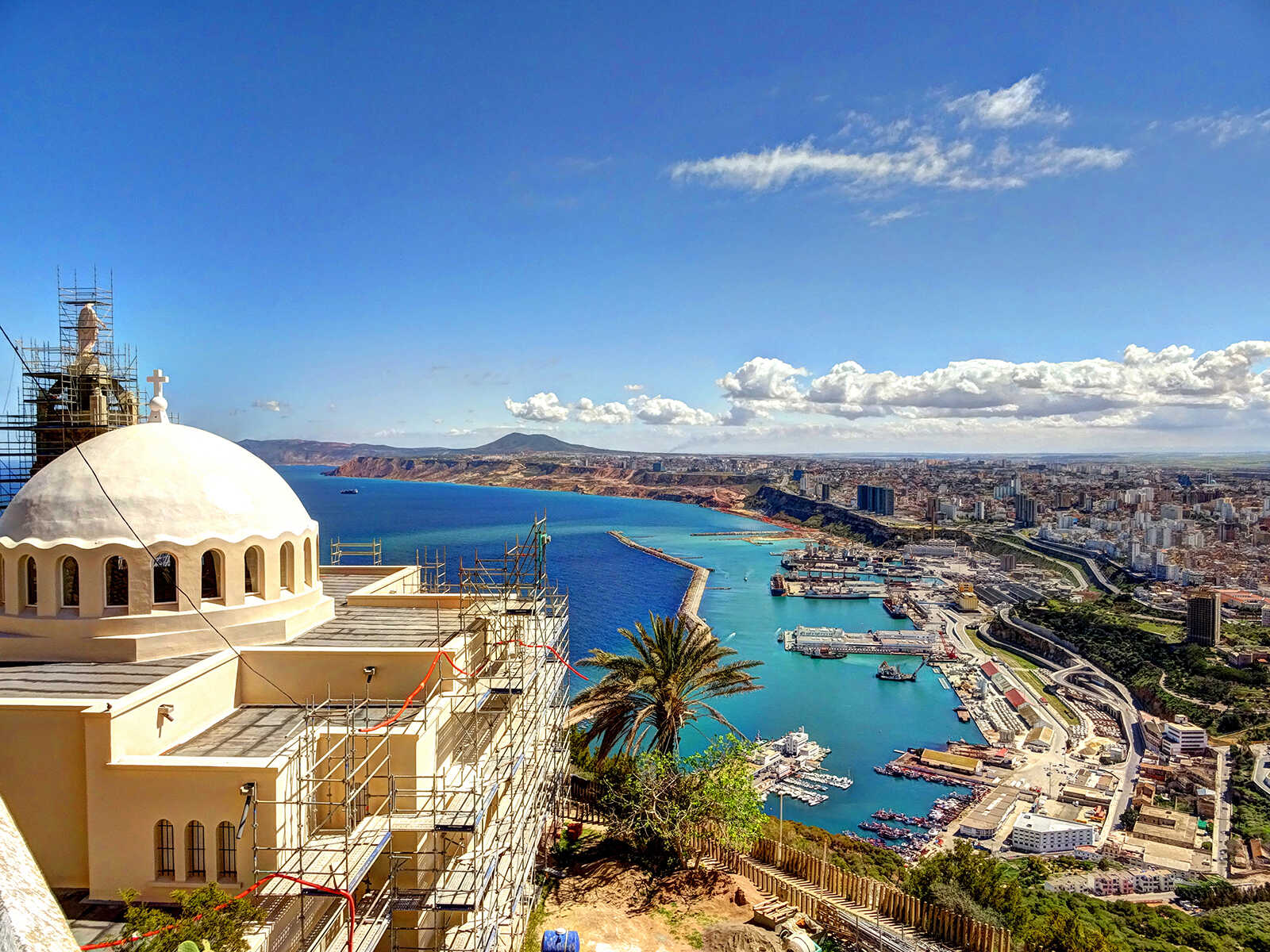
Is Algeria Safe to Visit? Essential Safety Tips for Travelers
Algeria, North Africa's largest country, offers an intoxicating blend of ancient history, stunning Sahara landscapes, and vibrant Mediterranean culture. While its past has sometimes raised questions about safety, modern Algeria is increasingly welcoming to tourists, provided travelers are well-informed and practice sensible precautions.
General Safety Overview for Algeria
Many potential visitors wonder, "Is Algeriasafe to visit?" The short answer is yes, for the most part, especially in major tourist areas and cities. Like any destination, it requires awareness and adherence to local customs, but the blanket warnings of decades past are largely outdated. The Algerian government has made significant efforts to ensure tourist safety, particularly in popular sites and well-traveled routes, making it a viable and rewarding destination for adventurous travelers.
Common Concerns and Realities
- Petty Crime:As in any large urban area worldwide, petty crime such as pickpocketing and bag snatching can occur. This is most common in crowded markets (like parts of the Casbah of Algiers) and on public transport, particularly in larger cities. Be vigilant, keep valuables out of sight, and avoid displaying large sums of cash.
- Terrorism/Extremism:While Algeria has faced challenges in the past, significant strides have been made to counter extremist elements. The main risks are now concentrated in remote border regions, particularly those bordering Mali, Niger, Libya, and Mauritania, which are generally off-limits to tourists. Major cities and established tourist routes are heavily policed. Always check your government's latest travel advisories, which typically recommend avoiding specific border zones.
- Road Safety:Driving standards can vary, and road conditions outside major cities might be challenging. Accidents are a concern due to aggressive driving styles and variable infrastructure. If you plan to drive, exercise extreme caution. For long-distance travel, considering reputable bus companies or internal flights is often a safer alternative.
- Natural Disasters:Minor earthquakes can occur, particularly in the northern regions. While rare, it's wise to be aware of basic earthquake safety procedures if visiting.
Essential Practical Safety Tips for Travelers
Before You Go
- Visa Requirements:Most nationalities require a visa for entry into Algeria, and the application process can be lengthy. Start your application well in advance of your planned travel dates.
- Travel Insurance:Comprehensive travel insurance covering medical emergencies, emergency evacuation, and trip cancellations is absolutely essential for any international trip, including Algeria.
- Research and Advisories:Stay updated on current events and consult your home country's latest travel advisories for Algeria. Conditions can change, and being informed is your best defense.
During Your Trip
- Situational Awareness:Always be aware of your surroundings, especially in busy public spaces and tourist attractions.
- Valuables:Keep passports, large sums of money, and expensive electronics securely stored or out of sight. Consider using a money belt for important documents and cash.
- Dress Code:Algeria is a conservative Muslim country. Dress modestly, especially outside of beach resorts. Women should cover shoulders and knees, and a headscarf can be useful for visiting religious sites like the Basilique Notre Dame d'Afrique, showing respect even if not strictly required for non-Muslims.
- Local Customs:Learning a few basic Arabic phrases can greatly enhance your interactions. Always ask permission before photographing people, especially women. Be respectful during prayer times, which occur five times a day.
- Photography:While many sites are incredibly photogenic (e.g., the Roman Ruins of Djemila), avoid photographing government buildings, military installations, or sensitive areas. If in doubt, refrain.
Health & Medical
- Water Safety:Always drink bottled water. Avoid tap water and ice in drinks unless you are certain it is purified.
- Food Safety:Be cautious with street food; opt for busy stalls with high turnover. Peel fruits and vegetables yourself.
- Vaccinations:Consult your doctor about recommended vaccinations (e.g., Hepatitis A & B, Typhoid) well before your trip.
- Pharmacies:Pharmacies are generally well-stocked in cities for common ailments, but it's wise to bring any prescription medications you need.
Transportation
- Taxis:Use official, metered taxis or agree on a fare beforehand. Ride-sharing apps are becoming more common in major cities like Algiers.
- Public Transport:Buses and trains are generally safe but can be crowded. Keep an eye on your belongings.
- Driving:Self-driving is not recommended for inexperienced visitors due to varied road conditions and aggressive driving styles. If you must drive, consider hiring a local driver.
Solo Travel & Female Travelers
Solo female travelers may attract more attention, often out of curiosity. Dressing modestly is key. It's advisable to avoid walking alone in poorly lit or deserted areas at night. Consider joining organized tours for parts of your trip, especially to more remote areas like the Tassili n'Ajjer, which can provide an added layer of safety and companionship.
Emergency Contacts
Keep these numbers handy:
- Police:17
- Ambulance:14
- Fire:14
- Know the contact information and location of your embassy or consulate in Algiers.
Specific Regions: What to Know
- Major Cities:Urban centers like Algiers, Oran, Constantine, and Tlemcen are generally safe for tourists. Petty crime is the primary concern here. Enjoy historical sites such as the Martyrs’ Memorial in Algiers or the stunning Sidi M'Cid Bridge in Constantine.
- Sahara Desert:Exploring the vast Algerian Sahara, home to wonders like the Tassili n'Ajjer and Ahaggar National Park, is an unforgettable experience. However, desert travel requires careful planning. Always go with a reputable, licensed tour operator and stick to established routes. Some areas may require special permits and/or armed escorts due to proximity to sensitive border regions. Never venture into the desert alone.
- Border Areas:As previously mentioned, specific border regions with neighboring countries (Libya, Mali, Niger, Mauritania) are considered high-risk and should be avoided by travelers. Always consult your government's latest travel advisories for detailed information on these zones.
- Coastal Regions:Areas like the Historic site Tipasa or the natural beauty of Plage de La Grotte Merveilleuse are popular and generally safe. Standard precautions apply here.
Embracing Algerian Culture Safely
Algerians are renowned for their hospitality. You might be invited for tea or even a meal. Embracing these interactions can be a highlight of your trip, offering authentic insights into the local way of life.
Algerian hospitality is legendary. Don't be surprised if locals offer you tea or engage you in conversation; it's a genuine sign of welcome and respect.
- Language Basics:Even a few words of Arabic or French (widely spoken, especially in urban areas) can greatly enhance your interactions and demonstrate respect.
- Respecting Local Norms:Acknowledging and respecting local customs, whether it's dress code, prayer times, or social interactions, will foster positive experiences and contribute significantly to your safety. The M'Zab Valley, a UNESCO World Heritage site, is a prime example where unique cultural norms and conservative dress are particularly important to observe.
Algeria is a country of immense beauty and historical significance, offering intrepid travelers a deeply rewarding experience. By staying informed, exercising common sense, respecting local customs, and adhering to travel advisories, you can safely explore its ancient ruins, vibrant cities, and breathtaking desert landscapes. With careful preparation, your Algerian adventure can be both safe and truly unforgettable.