
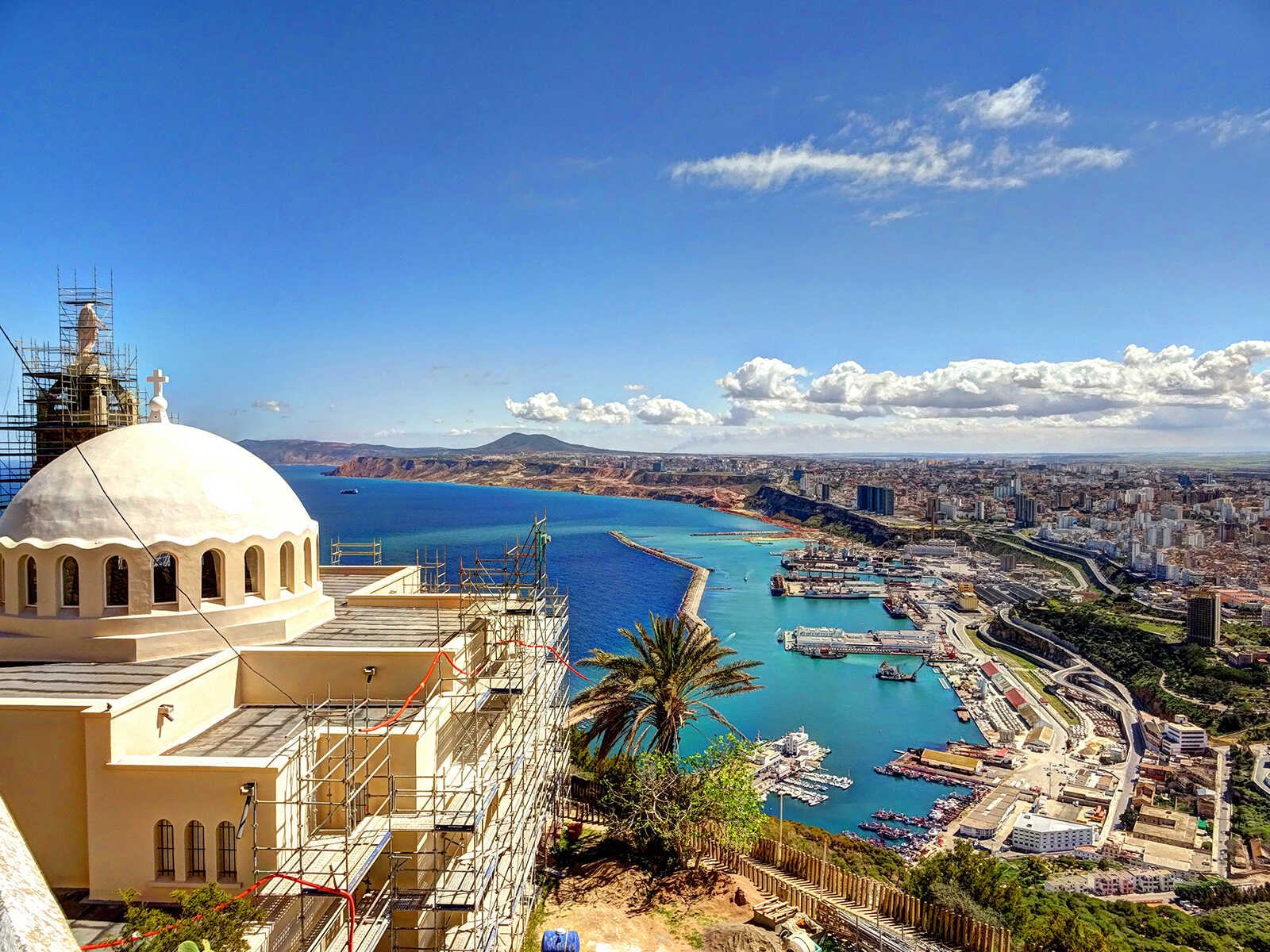
How to Get Around Algeria: Transportation Options and Tips
Navigating Algeria, the largest country in Africa, is an adventure in itself, offering diverse landscapes from bustling Mediterranean cities to the vast, serene Sahara Desert. Understanding the various transportation options available is key to unlocking the full potential of your Algerian journey, ensuring a smooth and memorable travel experience across its impressive terrain.
Algeria's transportation network is extensive, connecting its major urban centers, historical sites, and natural wonders. While some regions are easily accessible, others require more planning and specific modes of transport. This guide will help you understand the best ways to traverse this captivating North African nation.
Air Travel: Covering Vast Distances Efficiently
Given Algeria's immense size, domestic flights are often the most practical and time-saving option for covering long distances, especially between the north and the south. Air Algérie, the national carrier, operates a comprehensive network connecting major cities like Algiers, Oran, Constantine, Annaba, and destinations further south such as Tamanrasset and Djanet.
- Pros:Fastest way to travel between distant cities, comfortable for long journeys.
- Cons:Less flexible schedules than buses, can be more expensive than other options.
- Tip:Book domestic flights in advance, especially during peak seasons or holidays, to secure better availability and rates. Always verify baggage allowances.
Train Travel: Scenic Routes and Northern Comfort
Algeria's railway system, managed by the SNTF (Société Nationale des Transports Ferroviaires), primarily serves the northern coastal and high plateau regions. Trains offer a comfortable and often scenic way to travel between cities such as Algiers, Oran, Constantine, and Annaba. The network is undergoing modernization, with new lines and improved services being introduced.
Popular routes include connections along the coast, which can be a pleasant way to reach destinations like the Historic site Tipasa or even further west towards Tlemcen. Sleeper services are available on some longer routes.
- Pros:Comfortable, often more spacious than buses, good for enjoying the landscape, relatively reliable on main routes.
- Cons:Limited network coverage compared to buses, not ideal for reaching remote areas.
- Tip:Consider first-class tickets for added comfort on longer journeys. Stations can be busy, so arrive early.
Bus Travel: The Backbone of Algerian Transportation
Buses are arguably the most widely used and extensive form of public transport in Algeria, connecting virtually every town and city. A vast network of private and national bus companies operates services ranging from modern, air-conditioned coaches for intercity travel to smaller, older minibuses for local routes.
You can find buses departing from central bus stations (gares routières) in all major cities. They are an excellent option for reaching destinations like the region around the Roman Ruins of Djemila or even connecting to smaller towns near the M'Zab Valley(though further local transport might be needed).
- Pros:Most comprehensive coverage, very frequent departures, generally affordable.
- Cons:Can be slower due to frequent stops, comfort levels vary greatly depending on the company and route.
- Tip:Always confirm your destination and departure time with the driver or ticket agent. Be prepared for potential delays, especially during peak hours or holidays.
Traveler's Insight:While bus travel can be an immersive experience, especially when navigating through local markets and villages, always keep your belongings secure and easily accessible.
Shared Taxis (Louages): Fast and Flexible
Shared taxis, known aslouagesor collective taxis, are a very popular and efficient mode of intercity and inter-town transport in Algeria, particularly for medium distances. These are usually sedans or minivans that depart once all seats are filled, offering a quicker alternative to buses on specific routes.
They typically operate from designated taxi stands or specific points within towns. Fares are fixed per person for specific routes, making them a transparent option once you know the general rates.
- Pros:Faster than buses, more flexible departure times (once full), often door-to-door within reasonable limits.
- Cons:Less comfortable if the vehicle is full, can involve waiting for all seats to fill, limited luggage space.
- Tip:Confirm the fare before getting in. If you're in a hurry and willing to pay for an extra seat, you might be able to depart sooner.
Private Taxis: Convenience within Cities
Within cities like Algiers, Oran, and Constantine, private taxis are readily available for shorter distances. They are ideal for getting to specific landmarks such as the Casbah of Algiers, the Basilique Notre Dame d'Afrique, or the Martyrs’ Memorial. While some taxis use meters, it's more common to negotiate the fare before starting your journey, especially outside of central areas or during late hours.
- Pros:Convenient, door-to-door service, good for short distances or when carrying luggage.
- Cons:Can be more expensive than public transport, requires fare negotiation.
- Tip:Always agree on a price before setting off. It's helpful to have your destination written down in Arabic or French.
Car Rental: Freedom with Considerations
Renting a car offers the greatest flexibility and independence for exploring Algeria at your own pace. Major international and local rental agencies operate at airports and in large cities. This option is particularly appealing for those wishing to explore areas less served by public transport or to embark on road trips to places like the Historic site Tipasa or the scenic routes around Sidi M'Cid Bridge.
However, driving in Algeria comes with its challenges, including varying road conditions, aggressive driving styles in urban areas, and navigation outside of main routes. For exploring the deep Sahara, such as Tassili n'Ajjer or Ahaggar National Park, a 4x4 vehicle with an experienced local guide is often mandatory due to challenging terrain and permit requirements.
- Pros:Maximum flexibility, ability to reach remote locations, convenient for groups or families.
- Cons:Can be expensive, challenging driving conditions, navigation difficulties, parking issues in cities, requires specific permits for some southern regions.
- Tip:Ensure you have comprehensive insurance. A GPS or reliable navigation app is essential. For desert travel, always hire a local guide and ensure all necessary permits are secured in advance.
Urban Public Transport: Metro, Trams, and Local Buses
In Algeria's largest cities, modern public transport systems are making urban exploration easier:
- Algiers Metro:The capital boasts a modern and efficient metro system, connecting key areas of the city. It's a clean, safe, and fast way to navigate Algiers, avoiding traffic congestion.
- Trams:Several cities, including Algiers, Oran, and Constantine, have introduced tram networks. Trams offer a pleasant way to see the city and connect residential areas with business districts and attractions.
- Local Buses:Within cities, local bus networks provide extensive coverage, though they can be crowded and less straightforward for non-Arabic/French speakers.
Tips for Smooth Travel in Algeria
- Learn Basic Phrases:A few words of Arabic or French will greatly assist you, especially when using local transport or negotiating fares.
- Flexibility is Key:Schedules can be fluid, especially for buses and shared taxis. Be prepared for potential delays and embrace the unexpected.
- Keep Identification Handy:Always carry a copy of your passport and visa (if applicable). Checkpoints are common, particularly in the south.
- Stay Hydrated and Prepared:Especially when traveling long distances or in the hotter months, carry water and snacks.
- Plan for the Sahara:If venturing into the desert, never go alone. Arrange tours with reputable local agencies that provide experienced drivers and suitable 4x4 vehicles. Permits are usually required for these regions.
- Use Reputable Operators:For tours or longer journeys, especially to sensitive or remote areas, always choose licensed and well-reviewed tour operators.
Exploring Algeria is an enriching experience, and while navigating its vastness requires some planning, the journey itself is part of the adventure. By understanding the transportation options and keeping these practical tips in mind, you'll be well-equipped to discover the incredible history, culture, and natural beauty that Algeria has to offer.