
Hiking and Trekking in Algeria: Trails for Every Explorer
Algeria, North Africa's largest nation, often remains an undiscovered gem for outdoor enthusiasts. Beyond its rich history and vibrant cities, the country boasts an astonishing diversity of landscapes, offering a wealth of hiking and trekking opportunities for every level of explorer.
Why Hike in Algeria? Discovering a Land of Contrasts
From the towering peaks of the Atlas Mountains to the vast, ancient expanses of the Sahara Desert, Algeria presents an unparalleled trekking experience. Hikers can traverse lush national parks, explore dramatic canyons, and witness millennia-old rock art, all while immersing themselves in unique cultural encounters. It's a journey into a land where natural beauty meets profound history.
Understanding Algeria's Diverse Landscapes
Algeria's geography is defined by distinct natural zones, each offering a different type of trekking adventure:
The Atlas Mountains: Verdant Peaks and Alpine Challenges
The Atlas Mountain range slices through northern Algeria, comprising the Tell Atlas along the coast and the Saharan Atlas further south. These mountains are characterized by fertile valleys, dense cedar forests, and impressive peaks that often see snow in winter. They offer everything from gentle day hikes to challenging multi-day treks, providing breathtaking panoramas and a cooler climate than the interior.
The Sahara Desert: Ancient Sands and Volcanic Wonders
Southern Algeria is dominated by the majestic Sahara, a desert unlike any other. Here, you'll find not just sand dunes but also vast rocky plateaus, dramatic volcanic formations, and ancient riverbeds. Trekking in the Sahara is a journey through time, revealing incredible geological features and a profound sense of solitude. The desert is also home to unique flora and fauna, adapted to this harsh yet beautiful environment.
Coastal Trails: Mediterranean Views and Historical Footprints
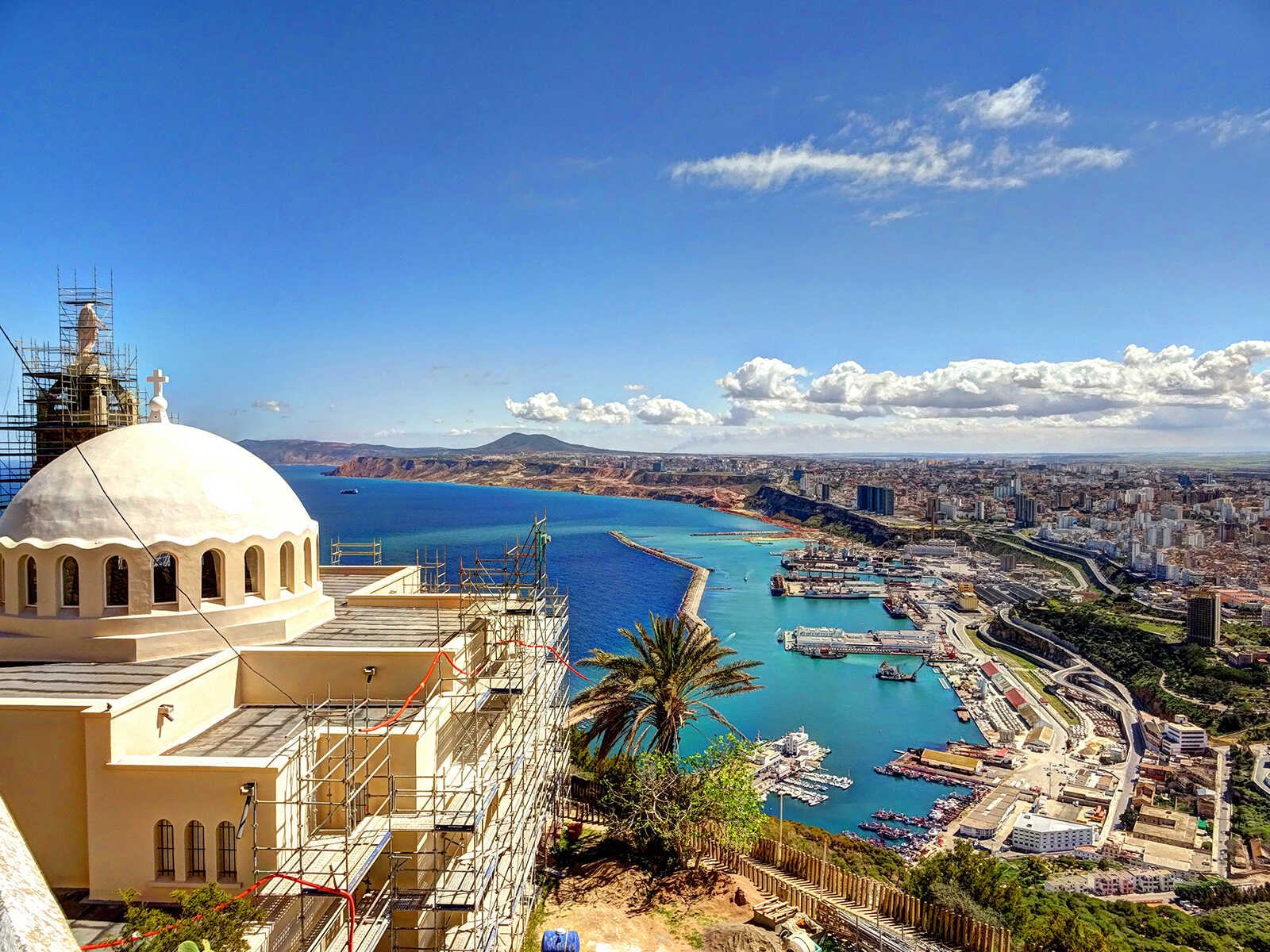
Along Algeria's Mediterranean coastline, shorter, scenic walks can be found, often combining stunning sea views with historical sites. These trails typically offer a milder climate and less strenuous routes, perfect for those seeking a blend of natural beauty and cultural exploration.
Top Hiking and Trekking Regions and Trails
Saharan Adventures: Trekking Through Time
- Tassili n'Ajjer National Park:A UNESCO World Heritage site, Tassili n'Ajjer is an otherworldly landscape of sandstone formations, deeply eroded canyons, and vast plateaus. It's renowned for its incredible collection of prehistoric rock art, depicting ancient wildlife and human life. Trekking here is a journey through an open-air museum, best undertaken with experienced local guides.
- Ahaggar National Park:Located in the heart of the Sahara, the Ahaggar Mountains are a range of volcanic peaks, including Mount Tahat, Algeria's highest point. The region around Assekrem is particularly famous for its spectacular sunrises and sunsets. Treks here offer challenging ascents, encounters with the nomadic Tuareg people, and vast, panoramic desert vistas.
Did you know?The rock art of Tassili n'Ajjer dates back as far as 12,000 years ago, providing invaluable insights into the prehistory of the Sahara and its changing environment.
Mountain Challenges: Peaks, Forests, and Gorges
- Djurdjura National Park:Located in the Kabylie region of the Tell Atlas, Djurdjura is a rugged range known for its dramatic limestone peaks, deep gorges, and cedar forests. It offers challenging climbs and rewarding views, particularly in spring when wildflowers bloom. It's a popular spot for both seasoned mountaineers and hikers seeking a strenuous workout.
- Chréa National Park:Easily accessible from Algiers, Chréa National Park is part of the Blida Atlas. It's famous for its Barbary macaques and diverse ecosystems, from forests to alpine meadows. Ideal for day trips and moderate hikes, it offers a refreshing escape from city life with well-marked trails.
- Aures Mountains:In eastern Algeria, the Aures Mountains are historically significant and culturally rich. Treks here often combine stunning natural scenery with visits to traditional Berber villages, offering a unique blend of outdoor activity and cultural immersion.
Coastal and Historical Walks: Sea Breezes and Ancient Ruins
- Tipasa:While primarily known for its stunning Roman ruins overlooking the Mediterranean Sea, the area around Tipasa offers pleasant walks along the coastline, combining historical exploration with refreshing sea breezes.
- Djemila:Another magnificent Roman site, Djemila is set amidst rolling hills, offering picturesque walks around its remarkably preserved structures. Though not a wilderness hike, exploring Djemila involves significant walking and offers spectacular views of the surrounding countryside.
- Regions Near Tlemcen:The area surrounding Tlemcen, particularly the Tlemcen National Park, features waterfalls, caves, and forests, providing excellent opportunities for moderate hikes and nature walks.
Planning Your Algerian Trek
Best Time to Visit
The ideal time for trekking in Algeria depends on the region:
- Sahara Desert:Autumn (October-November) and Spring (March-April) offer pleasant temperatures for desert treks. Winter (December-February) can be cold, especially at night, but days are often clear and mild. Avoid summer due to extreme heat.
- Atlas Mountains:Spring (April-June) and Autumn (September-November) are best for hiking, with pleasant temperatures and blooming flora. Summers can be hot, while winters bring snow to higher elevations, offering opportunities for snowshoeing or experienced winter mountaineering.
- Coastal Areas:Spring and early autumn are ideal for coastal walks, avoiding the peak summer heat and winter rains.
Essential Gear
Prepare adequately for your chosen trek:
- Footwear:Sturdy hiking boots are essential, especially for rocky terrain or desert sands.
- Clothing:Layers are key. Include breathable fabrics, sun protection (hat, sunglasses), and warmer layers for evenings, particularly in the desert or mountains.
- Hydration:Carry ample water, especially in arid regions. A water filter or purification tablets can be useful.
- Navigation:A map, compass, and GPS device are crucial, along with knowledge of how to use them.
- First-Aid Kit:A well-stocked kit for minor injuries and ailments.
- Sun Protection:High SPF sunscreen, lip balm, and a wide-brimmed hat.
- Snacks:High-energy snacks to keep you fueled.
Guides and Local Support
For most treks in the Sahara and remote mountain regions, hiring a local, experienced guide is highly recommended. They provide invaluable knowledge of the terrain, local culture, and safety protocols, and can arrange logistics like transport and accommodation. Many guides are also fluent in multiple languages.
Permits and Regulations
Some national parks and sensitive regions, particularly in the Sahara, may require permits or special authorization. It's essential to check current regulations before planning your trip, often best done through a local tour operator or guide.
Safety Tips
- Stay Hydrated:Crucial in all environments, especially the desert.
- Inform Others:Let someone know your itinerary and expected return time.
- Respect the Environment:Follow Leave No Trace principles.
- Be Aware of Wildlife:While generally not dangerous, know what to do if you encounter local fauna.
- Weather Awareness:Mountain weather can change rapidly; desert temperatures can fluctuate dramatically between day and night.
Cultural Considerations
When trekking through villages or interacting with local communities, always show respect for local customs and traditions. Dress modestly, especially in rural areas, and always ask permission before taking photos of people.
Responsible Tourism
Algeria's natural beauty is fragile. Practice responsible tourism by staying on marked trails, carrying out all your waste, and minimizing your impact on the environment. Support local communities by choosing local guides and purchasing local products.
Embark on Your Algerian Trek
Algeria offers a truly unique and deeply rewarding trekking experience. From the ancient Sahara to the majestic Atlas, its trails promise adventure, stunning landscapes, and unforgettable cultural encounters. Prepare well, respect the land, and discover the extraordinary beauty of this North African jewel.