
Exploring the Casbah of Algiers: A Historic Walking Guide
Step into a living labyrinth where history echoes through every narrow alleyway and ancient stone. The Casbah of Algiers, a UNESCO World Heritage site, invites visitors to journey back in time, offering a unique glimpse into the heart of Algeria's capital. Prepare to uncover centuries of stories, from Ottoman grandeur to pivotal moments in modern history, as you navigate its captivating streets.
What is the Casbah of Algiers?
Perched dramatically on a hillside overlooking the Mediterranean Sea, the Casbah of Algiers is far more than just an old quarter; it's a meticulously preserved historical urban fabric. Dating back to the 6th century BC as an ancient Phoenician trading post, its current form largely solidified during the Ottoman era from the 16th century onwards. This period saw the construction of its distinctive architecture: tightly packed houses with interior courtyards (known asdar), intricate passageways, and public spaces designed to foster community and provide defense.
The Casbah's strategic location made it a formidable stronghold, and its distinct urban plan reflects centuries of cultural influences. It served as the center of Ottoman power, a bustling marketplace, and a residential area for a diverse population. Later, it became a focal point during the Algerian War of Independence, its hidden alleys providing refuge and a base for resistance. In 1992, recognizing its outstanding universal value as an exceptional example of a Mediterranean medina, UNESCO inscribed the Casbah on its World Heritage List, underscoring its cultural and architectural significance.
Preparing for Your Casbah Exploration
A visit to the Casbah is an immersive experience, requiring a little preparation to ensure comfort and maximize enjoyment.
Best Time to Visit
The ideal time to explore is in the morning, when temperatures are cooler and the narrow streets begin to awaken with local life. Weekdays generally offer a more authentic atmosphere than weekends, which can sometimes be quieter or more crowded depending on local events. Avoid the peak heat of midday, especially during summer months.
What to Wear
Comfortable walking shoes are essential, as the Casbah's streets are steep, uneven, and often cobbled. Modest clothing is recommended out of respect for local customs. For women, this typically means covering shoulders and knees; for men, long trousers and shirts are appropriate.
Safety and Etiquette
While generally safe, the Casbah is a dense, intricate area. It's highly advisable to hire a knowledgeable local guide who can navigate the labyrinthine alleys, share historical insights, and help you interact respectfully with residents. Always ask for permission before taking photographs of people, especially women and children. Be mindful of your belongings and stay alert to your surroundings. Respect the privacy of homes and avoid venturing into areas that feel overly secluded.
Getting There
The Casbah is easily accessible from central Algiers. Taxis can drop you at one of the main entry points, such as near Place des Martyrs or Bab el Oued. Public buses also serve the periphery. Be prepared to walk uphill, as the Casbah ascends from the port area.
A Suggested Walking Route Through the Casbah
Embarking on a self-guided walk through the Casbah can be an adventure, but a general route can help you uncover its key highlights. Remember that getting a little lost is part of the charm!
Starting Point: Place des Martyrs
Begin your journey atPlace des Martyrs, a bustling square near the waterfront. From here, you can ascend into the lower parts of the Casbah, passing by the Great Mosque of Algiers (Djamaa el Kebir), one of the oldest mosques in the city, and the Ketchaoua Mosque, a magnificent structure that has served as both a mosque and a cathedral through different eras.
Delving into the Labyrinth
As you move deeper, the streets narrow, and the sounds of the modern city fade, replaced by the murmur of local life. Explore the traditional souks where artisans ply their trades, from intricate jewelry to handcrafted leather goods. Keep an eye out for the unique architectural details of the houses – the ornate doors, small balconies, and occasional splashes of vibrant color.
Wander through alleys like Rue de la Casbah and Rue Dar Aziza, imagining the lives lived within these ancient walls. While many traditional homes (dar) are private residences, some, like Dar Aziza (a former palace), occasionally open for cultural events or can be admired from the exterior, showcasing exquisite Ottoman design.
Historical Highlights
Ascend towards the higher sections to discover the remnants of the Citadel, which once housed the Dey's Palace. While much of the interior may not be open to the public, the sheer scale and historical significance of this area are palpable. The Casbah played a critical role in the Algerian War of Independence (1954-1962), its maze-like structure offering strategic advantages to the resistance fighters. Many plaques and subtle memorials can be found, commemorating the sacrifices made during this period.
“The Casbah is a world unto itself, a vibrant historical tapestry woven with the threads of resilience, tradition, and revolutionary spirit. To walk its streets is to feel the pulse of Algiers' enduring heart.”
Panoramic Views and Hidden Gems
Seek out elevated points within the Casbah for breathtaking panoramic views of the city of Algiers and the sparkling Mediterranean. These vantage points often reveal the unique terraced nature of the architecture. Don't hesitate to pop into a small local café for a mint tea, or engage with artisans selling traditional crafts, offering a chance to witness the Casbah's living culture firsthand.
Beyond the Casbah: Nearby Attractions
Once you've explored the depths of the Casbah, Algiers offers a wealth of other historical and cultural sites within easy reach.
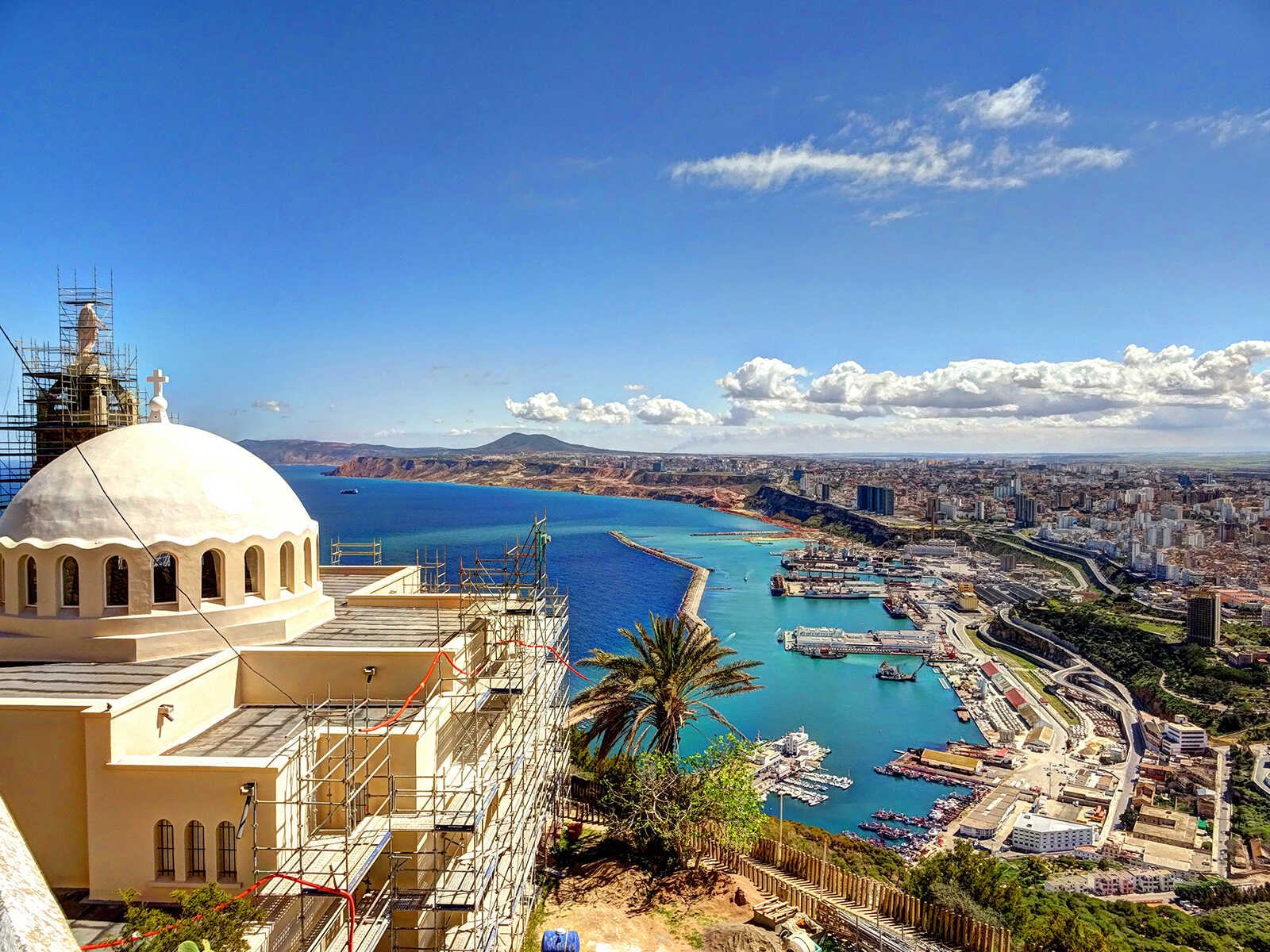
- Basilique Notre Dame d'Afrique:Perched on a cliff overlooking the bay, this stunning Roman Catholic basilica offers magnificent architecture and incredible views. It's a symbol of religious tolerance, bearing the inscription "Notre Dame d'Afrique, priez pour nous et pour les Musulmans" (Our Lady of Africa, pray for us and for Muslims).Basilique Notre Dame d'Afrique is a must-see for its beauty and significance.
- Martyrs’ Memorial (Maqam Echahid):A towering monument commemorating Algeria's fallen heroes of the War of Independence. This iconic landmark offers sweeping views of the city and houses a museum detailing the struggle for independence. Visit the Martyrs’ Memorial for a profound historical experience.
- Historic site Tipasa:For those willing to venture a little further (approximately an hour's drive west), the ancient Roman ruins of Historic site Tipasa provide a captivating contrast to the Casbah's Islamic architecture. This coastal archaeological park, another UNESCO World Heritage site, boasts impressive remnants of a Roman city against a stunning Mediterranean backdrop.
Tips for an Enriching Visit
- Hire a Local Guide:A knowledgeable local guide is invaluable for navigating the Casbah's intricate layout, understanding its history, and connecting with its community. They can also help bridge language barriers.
- Stay Hydrated:Especially during warmer months, carry water with you.
- Be Open to Discovery:While a route can be helpful, allow yourself to wander and stumble upon unexpected courtyards, workshops, or tea houses. Some of the best experiences are unplanned.
- Try Local Flavors:Don't miss the opportunity to sample traditional Algerian street food or enjoy a refreshing mint tea at a local spot.
- Respect Privacy:Remember that the Casbah is a living neighborhood. Be discreet and respectful of residents' privacy, especially when passing by homes.
Conclusion
The Casbah of Algiers is more than just an ancient quarter; it is the enduring soul of the city, a place where every stone tells a story of survival, culture, and transformation. A walk through its timeless streets offers an unparalleled journey into Algeria's rich past and vibrant present. By preparing thoughtfully and approaching your visit with respect and an open mind, you'll uncover the profound beauty and historical depth of this extraordinary UNESCO World Heritage site.