
Best Time to Visit Algeria: A Seasonal Travel Guide
Algeria, North Africa's largest country, boasts an incredible diversity of landscapes, from its Mediterranean coastline to the towering Atlas Mountains and the vast Sahara Desert. Choosing the ideal time to visit depends heavily on which of these captivating regions you plan to explore, as climate varies dramatically across its immense expanse. This guide will help you navigate Algeria's seasons to plan your perfect journey.Algeria's climate is as varied as its geography. The northern coastal strip enjoys a Mediterranean climate with hot, dry summers and mild, wet winters. Inland, the Atlas Mountains experience more extreme temperatures, with cold winters and hot summers, often with snowfall at higher elevations. South of the Atlas, the climate transitions rapidly into the arid Sahara Desert, characterized by scorching summers and surprisingly cool winters. Understanding these regional differences is key to determining the best time for your Algerian adventure.
Spring (March - May): The Golden Window
Spring is arguably the best time to visit Algeria for most travelers, offering pleasant temperatures across the majority of the country. The Mediterranean coast, including cities like Algiers, is bathed in sunshine with comfortable warmth, perfect for exploring historical sites such as the Casbah of Algiers or the stunning Basilique Notre Dame d'Afrique. The vibrant greenery and blooming wildflowers make scenic drives along the coast, perhaps to the Historic site Tipasa, particularly enjoyable.
In the Atlas Mountains, spring brings mild days ideal for hiking and exploring ancient ruins. Sites like the Roman Ruins of Djemila and the historical city of Tlemcen are at their most accessible and picturesque. Even the Sahara Desert begins to warm up, but temperatures remain manageable, making it an excellent time for desert excursions before the intense summer heat sets in. You can discover the otherworldly landscapes of Tassili n'Ajjer or the unique architectural marvels of the M'Zab Valley with agreeable daytime temperatures.
Travel Tip:Spring can also coincide with certain religious holidays like Ramadan, which can affect business hours and food availability during the day. Always check the lunar calendar before planning your trip.
Summer (June - August): Coastal Escapes and Mountain Retreats
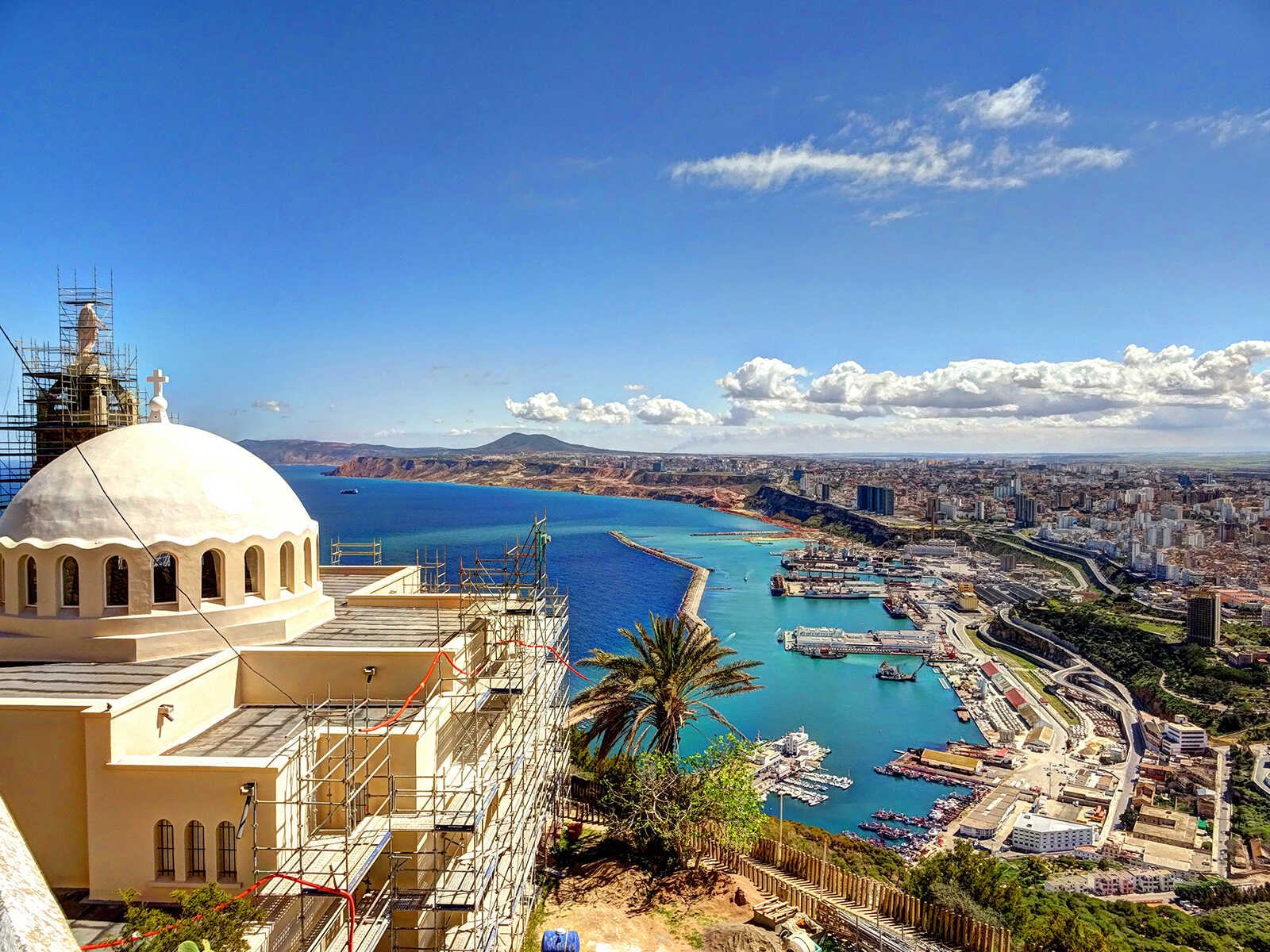
Summer in Algeria is characterized by intense heat, especially inland and in the Sahara. Coastal areas, however, offer a refuge with refreshing sea breezes. Cities like Algiers and Oran become vibrant with locals enjoying the Mediterranean beaches. While direct sun can be strong, mornings and evenings are perfect for leisurely strolls, visiting landmarks like the Martyrs’ Memorial, or enjoying outdoor cafes. Beach lovers will find the coast, including spots like Plage de La Grotte Merveilleuse, at its peak for swimming and sunbathing.
Inland, temperatures can soar well into the 40s Celsius (100s Fahrenheit), making extensive sightseeing challenging. The Sahara Desert becomes extremely hot, often exceeding 50°C (120°F), and is generally not recommended for visits during this period due to potential health risks and limited activity options. If traveling during summer, focus on the cooler coastal zones or higher altitudes in the mountains, where temperatures are more bearable.
Autumn (September - November): A Second Peak Season
Autumn mirrors spring in many ways, presenting another excellent window for visiting Algeria. As the scorching summer heat subsides, the weather across the country becomes wonderfully mild and pleasant. The coastal regions enjoy warm, sunny days, perfect for continued exploration of historical sites and bustling markets without the intense crowds of summer.
This season is particularly ideal for venturing into the Sahara Desert. The extreme heat of summer gives way to comfortable daytime temperatures and wonderfully cool nights, making it the prime time for desert safaris, camel treks, and stargazing. Exploring the ancient rock art of Tassili n'Ajjer or the dramatic landscapes of Ahaggar National Park becomes a truly memorable experience. The mountains, too, are inviting, with crisp air and clear skies ideal for hiking and discovering the rich history of places like Roman Ruins of Djemila.
Winter (December - February): Desert Wonders and Snowy Peaks
Winter offers a unique perspective on Algeria, especially for those interested in desert exploration. While the northern coastal strip experiences mild, often rainy weather with average temperatures around 10-15°C (50-60°F), the Sahara Desert truly shines. Daytime temperatures in the desert are pleasantly warm and sunny, making it the absolute best time for extended expeditions into the vast dunes and ancient oases. The nights can be surprisingly cold, so warm clothing is essential for desert camping.
The Atlas Mountains, on the other hand, can experience significant snowfall, transforming into a picturesque winter wonderland. While some higher passes might be closed, it offers opportunities for unique winter sports or simply enjoying the snow-capped scenery. Cities like Algiers and Tlemcen remain vibrant, albeit cooler, providing a comfortable setting for cultural exploration without the heat or the crowds. For those seeking historical insights, a visit to the Sidi M'Cid Bridge in Constantine offers dramatic views, even on a crisp winter day.
Regional Considerations & Special Interests
- Coastal Cities (Algiers, Oran, Tipasa):Best visited in spring, autumn, or even mild winter for historical exploration. Summer is great for beaches but hot for sightseeing.
- Atlas Mountains (Djemila, Tlemcen):Spring and autumn offer ideal hiking and exploration conditions. Winter brings snow, which can be beautiful but may limit access to some areas. Summer is hot but manageable at higher altitudes.
- Sahara Desert (Tassili n'Ajjer, M'Zab Valley, Ahaggar National Park):Absolutely best in late autumn, winter, and early spring. Avoid summer at all costs due to extreme heat.
Understanding Local Events and Holidays
Algeria observes several public and religious holidays that can impact travel. Islamic holidays, such as Eid al-Fitr and Eid al-Adha, follow the lunar calendar, so their dates shift annually. During these periods, many businesses may close, and transportation can be crowded. Ramadan, a month of fasting, also shifts annually and means most restaurants close during the day, though hotels usually cater to non-fasting guests. Planning around these can offer unique cultural insights or, conversely, present logistical challenges.
Conclusion: Tailoring Your Algerian Adventure
Algeria's vastness means there's almost always a "best time" to visitsomewherewithin its borders. For a comprehensive trip encompassing coast, mountains, and desert,spring (March-May)andautumn (September-November)stand out as the most universally favorable seasons. If your heart is set on the majestic Sahara, winter is your prime window. For beach holidays, the coastal summer awaits. By aligning your travel interests with Algeria's diverse seasonal offerings, you're sure to uncover an unforgettable experience in this extraordinary North African gem.