
Basilique Notre Dame d'Afrique: A Guide to Algiers' Iconic Basilica
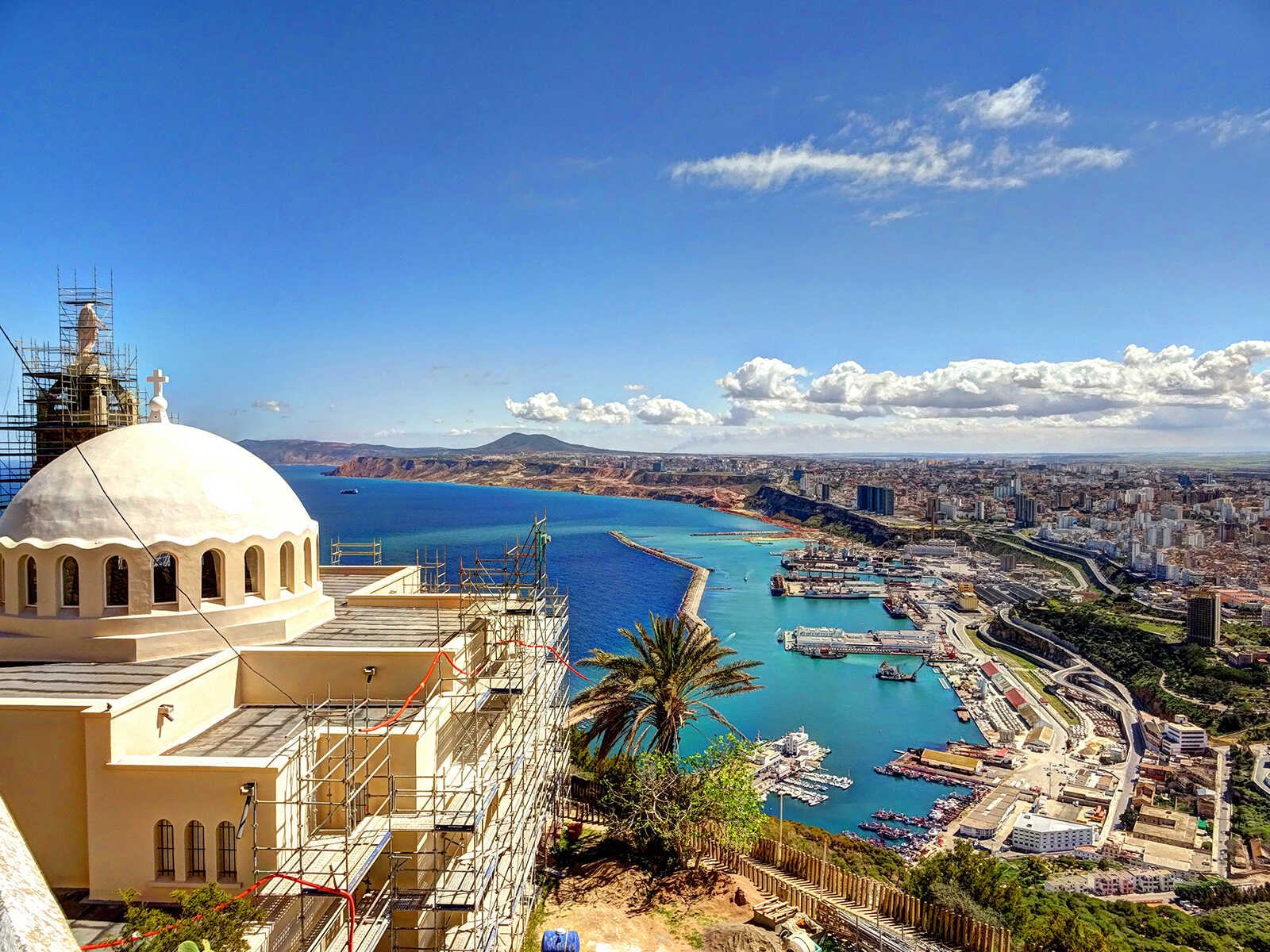
Perched majestically on a cliff overlooking the glistening Bay of Algiers, the Basilique Notre Dame d'Afrique stands as one of the city's most enduring and recognizable landmarks. More than just a religious site, this stunning basilica offers visitors a profound glimpse into Algeria's rich history, architectural grandeur, and a testament to cultural coexistence.
A Glimpse into History: The Basilica's Origins
The story of Notre Dame d'Afrique begins in the mid-19th century, during the French colonial period. Constructed between 1858 and 1872 under the direction of architect Jean-Eugène Fromageau, the basilica was envisioned as a sister church to Notre Dame de la Garde in Marseille, France. It was consecrated in 1872 and has since served as a significant spiritual beacon, not only for the Christian community in Algeria but also as a landmark respected by all.
Its foundation was laid on the site of a smaller chapel, chosen for its elevated position which provided both spiritual symbolism and strategic views. The basilica quickly became a focal point for pilgrims and visitors alike, drawn to its beauty and the serene atmosphere it offered high above the bustling city.
Architectural Splendor: A Blend of Styles
The architecture of the Basilique Notre Dame d'Afrique is a captivating fusion of Byzantine and Moorish influences, a reflection of the diverse cultural tapestry of the region. Unlike traditional European cathedrals, it incorporates elements that resonate with the local aesthetic, creating a truly unique structure.
Exterior Grandeur
From a distance, its distinctive dome and two square towers stand out against the Mediterranean sky. The exterior is characterized by its elegant lines and the use of local stone, which glows warmly in the sunlight. The intricate details around the entrances and windows showcase the delicate craftsmanship of the era.
Interior Magnificence
Stepping inside, visitors are greeted by an atmosphere of solemn beauty. The interior is adorned with stunning mosaics, intricate stained-glass windows depicting religious scenes, and ornate frescoes. The central nave leads to a beautifully decorated altar. One of the most famous and poignant inscriptions within the basilica, visible above the altar, reads:"Notre Dame d'Afrique priez pour nous et pour les musulmans"(Our Lady of Africa, pray for us and for Muslims). This powerful message encapsulates the spirit of peace and coexistence that the basilica has come to represent.
Did you know?The inscription "Notre Dame d'Afrique priez pour nous et pour les musulmans" was added to the apse of the basilica in 1876, just four years after its consecration, symbolizing a deep hope for interfaith harmony in Algeria.
Panoramic Views and Strategic Location
The basilica's location on a promontory, approximately 124 meters above sea level, offers some of the most breathtaking panoramic views of Algiers and its surroundings. From its terraces, visitors can gaze across the sparkling Bay of Algiers, witness the sprawling cityscape, and even spot other iconic landmarks such as the Martyrs’ Memorial and the historic Casbah of Algiers winding down the hills.
This vantage point makes it a favorite spot for photographers and anyone wishing to capture the beauty of the Algerian capital from above. The changing light throughout the day paints the city and sea in different hues, offering diverse photographic opportunities.
A Symbol of Coexistence and Resilience
Beyond its architectural and scenic appeal, the Basilique Notre Dame d'Afrique holds significant cultural and religious importance. While primarily a Catholic basilica, its inclusive message and long-standing presence have made it a symbol of peace and mutual respect among different communities in Algeria.
It has weathered the storms of history, including the Algerian War of Independence, and stands today as a testament to resilience and enduring faith. It continues to host religious services, drawing worshippers from various backgrounds, and remains an open and welcoming site for tourists interested in its history and beauty.
Planning Your Visit to Notre Dame d'Afrique
A visit to this iconic basilica is a must for anyone exploring Algiers. Here’s some practical advice to help you plan your trip:
Getting There
The basilica is located in the Bologhine district, a short drive from central Algiers. Taxis are readily available and can take you directly to the entrance. Public transport, such as buses, also serves the area, though you might have a short uphill walk to the basilica itself.
Best Time to Visit
- Mornings:Offer cooler temperatures and often clearer views, ideal for photography before the midday sun.
- Late Afternoons:Provide beautiful golden hour light, perfect for capturing the basilica and the city bathed in warm hues, leading up to a spectacular sunset over the bay.
Dress Code and Etiquette
As a place of worship, it is essential to dress respectfully. This generally means covering shoulders and knees. While photography is usually permitted, it’s courteous to avoid flash, especially during services, and to maintain a quiet demeanor to respect worshippers.
Accessibility
Due to its hilltop location, reaching the basilica involves some slopes and stairs. While the main areas are generally accessible, visitors with mobility challenges might find some sections difficult.
Exploring Beyond the Basilica: Nearby Attractions
Your visit to the Basilique Notre Dame d'Afrique can be combined with other fascinating sites in and around Algiers:
- The Casbah of Algiers:A UNESCO World Heritage site, this ancient citadel offers a labyrinth of narrow streets, historic mosques, and traditional houses, providing a journey back in time.
- Martyrs’ Memorial (Maqam Echahid):Another prominent landmark in Algiers, offering panoramic views and commemorating Algeria's struggle for independence.
- Historic Site of Tipasa:A rewarding day trip from Algiers, Tipasa boasts stunning Roman ruins set against the backdrop of the Mediterranean Sea, offering a glimpse into Algeria's ancient past.
- Museums:Algiers is home to several museums, including the National Museum of Fine Arts and the Bardo National Museum of Prehistory and Ethnography, perfect for delving deeper into Algerian culture and history.
Conclusion
The Basilique Notre Dame d'Afrique is more than just a magnificent structure; it is a profound symbol of Algiers' diverse heritage, its enduring spirit, and its message of peace. A visit promises not only breathtaking views and architectural wonders but also a moment of reflection on the rich tapestry of cultures that have shaped this vibrant North African nation. Make sure to include this iconic basilica in your Algerian itinerary for an unforgettable experience.