
Algerian Culture & Customs: What Travelers Need to Know
Algeria, North Africa's largest country, offers an intoxicating blend of ancient history, stunning landscapes, and vibrant culture. To truly appreciate its beauty and warmth, understanding local customs and etiquette is paramount for any traveler. This guide provides essential insights to navigate Algeria with respect and confidence.
A Tapestry of Influences: Understanding Algeria's Heritage
Algeria's rich cultural fabric is woven from centuries of diverse influences. From its indigenous Berber roots to Arab, Ottoman, and French colonial chapters, each era has left an indelible mark. This historical layering is visible in everything from language and cuisine to architecture and social norms.
- Berber Heritage:The indigenous Amazigh (Berber) people have a distinct language, traditions, and arts, particularly strong in regions like the Kabylie mountains and the M'Zab Valley, where unique architectural and social structures persist.
- Arab & Islamic Influence:The arrival of Arabs in the 7th century brought Islam, which became the dominant religion and profoundly shaped Algerian society, law, and daily life.
- Ottoman & French Eras:Both periods contributed to Algeria's urban landscapes, administrative systems, and linguistic diversity, with French remaining widely understood, especially in major cities like Algiers.
Algeria boasts seven UNESCO World Heritage Sites, each telling a part of its complex story. From the ancient rock art of Tassili n'Ajjer to the stunning Roman Ruins of Djemila and the distinctive architecture of the Casbah of Algiers, its past is etched into its present.
Hospitality: The Heart of Algerian Culture
Algerians are renowned for their incredible hospitality and generosity. Guests are seen as a blessing, and you'll often find yourself invited for tea or a meal, even by casual acquaintances. This warmth extends to travelers, making authentic cultural immersion a truly rewarding experience.
- Accepting Invitations:It's considered polite to accept invitations, even if you can only stay for a short while. Refusing too quickly can be seen as impolite.
- Gift Giving:A small gift, such as pastries or a souvenir from your home country, is a thoughtful gesture if invited to someone's home.
- Tea Rituals:Mint tea is a staple of Algerian hospitality. It's often served in small glasses, sometimes multiple rounds, and is a symbol of welcome and friendship.
Religious Etiquette: Respecting Islam
Islam is the official religion of Algeria, deeply influencing daily life and cultural norms. Travelers should be mindful and respectful of religious practices.
- Dress Code:When visiting mosques or religious sites, both men and women should dress modestly. Women will typically need to cover their hair, arms, and legs. Some mosques provide headscarves and abayas for visitors. Even outside religious sites, modest dress is generally appreciated, especially for women.
- Prayer Times:Be aware of the five daily prayer times. During these periods, you may find shops temporarily closed or observe people praying in public spaces.
- Ramadan:If traveling during the holy month of Ramadan, be aware that many Algerians will be fasting from dawn till dusk. While not expected of tourists, it's respectful to avoid eating, drinking, or smoking in public during fasting hours. Restaurants catering to tourists may remain open discreetly.
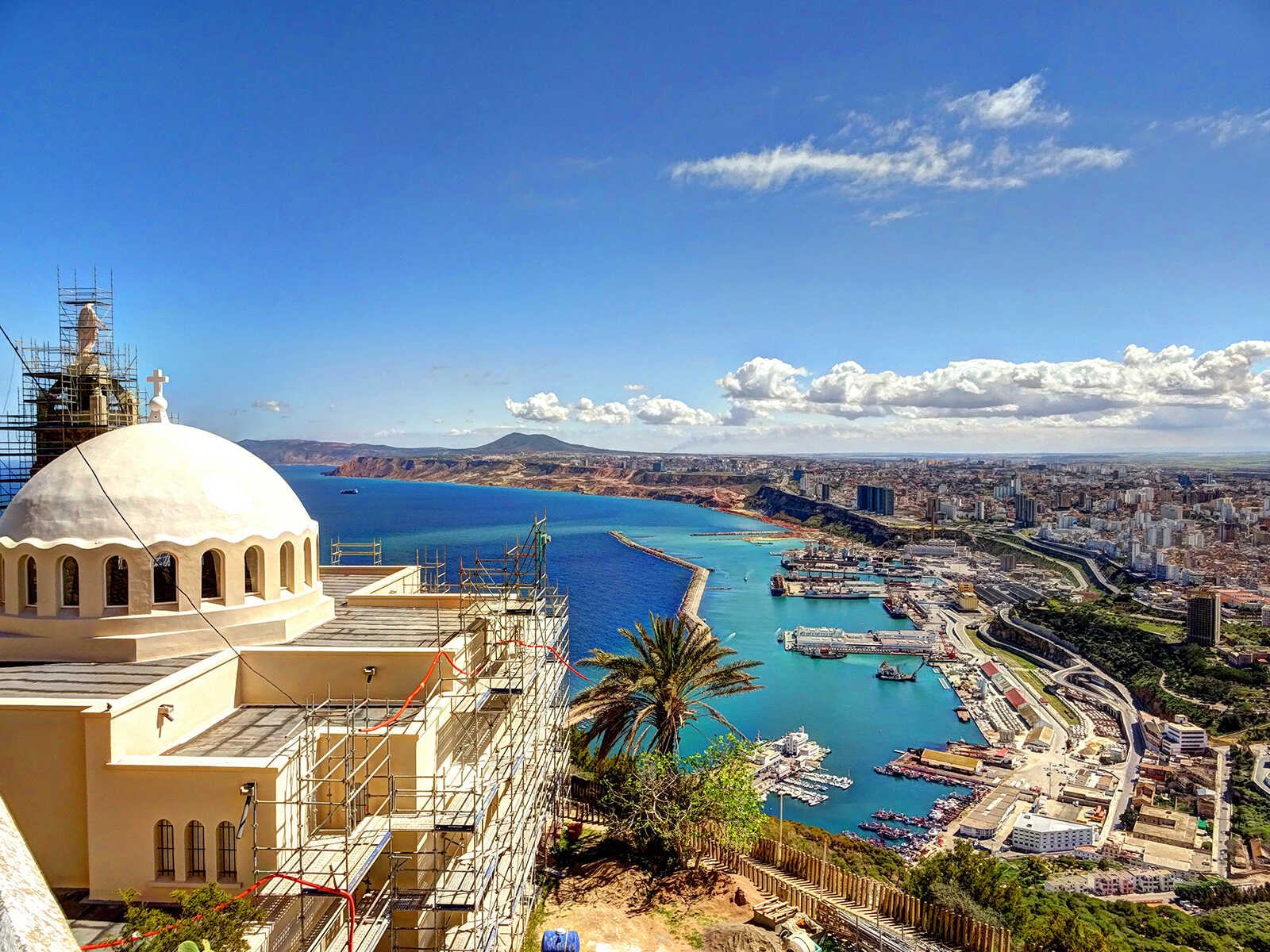
While predominantly Muslim, Algeria also has a small Christian community, evidenced by sites like the beautiful Basilique Notre Dame d'Afrique in Algiers.
Social Norms & Interactions
Understanding basic social customs will greatly enhance your interactions with locals.
- Greetings:A handshake is common between men. Women may offer a handshake to other women or a male acquaintance, but it's best to wait for their lead. A simple 'Salam Alaikum' (Peace be upon you) is a universally appreciated greeting.
- Personal Space:Personal space can be closer than in some Western cultures, particularly between people of the same gender.
- Gender Segregation:In more traditional settings, you may observe some segregation between genders, especially in public spaces or family gatherings.
- Photography:Always ask for permission before taking photos of people, especially women and children. Be particularly discreet in religious or sensitive areas.
Dining Etiquette: Sharing a Meal
Meals are often a communal affair, symbolizing togetherness and generosity. Algerian cuisine is rich and varied, with couscous, tagine, and fresh bread being staples.
- Hand Washing:It's customary to wash your hands before and after eating, especially when sharing dishes.
- Right Hand Rule:Always eat with your right hand, as the left hand is traditionally considered unclean in Islamic culture.
- "Bismillah":Many Algerians will begin a meal by saying "Bismillah" (In the name of God).
- Refusing Food:It's polite to accept food offered to you. If you're full, take a small portion to show appreciation rather than outright refusing.
When sharing a large communal dish, take food from the portion directly in front of you. It's considered impolite to reach across the dish.
Dress Code: Modesty is Key
Modest dress is a sign of respect for Algerian culture and is recommended for both men and women.
- For Women:Clothing that covers shoulders, cleavage, and knees is advisable in public. Loose-fitting attire is generally preferred. While not usually mandatory for tourists, carrying a lightweight scarf can be useful for covering your head when entering mosques or in more conservative rural areas, like the M'Zab Valley.
- For Men:Long trousers and shirts are suitable for most situations. Avoid shorts in formal settings or religious sites. Swimwear is appropriate only at beaches or hotel pools.
Language & Communication Tips
While Algerian Arabic is the official language and various Berber dialects are widely spoken, French is also commonly understood, especially in urban areas, a legacy of the colonial past. Learning a few basic Arabic or French phrases will be greatly appreciated.
- "Salam Alaikum"(Peace be upon you) - Hello
- "Shukran"(شكراً) - Thank you
- "Min fadlak"(من فضلك) - Please
- "Na'am"(نعم) - Yes /"La"(لا) - No
Public Behavior & Sensitivities
Being aware of certain sensitivities will help you navigate public spaces smoothly.
- Public Displays of Affection (PDA):Keep public displays of affection to a minimum. Holding hands between married couples might be acceptable in some urban areas, but kissing or hugging is generally frowned upon.
- Alcohol:Alcohol consumption is limited and not widely available outside of specific licensed venues, particularly in more conservative regions. It is generally not consumed in public.
- Political Discussions:While Algerians are often passionate about their country, it's generally best for travelers to avoid engaging in deep political discussions.
Navigating Local Markets & Souks
Visiting a local market or souk is a vibrant cultural experience. From the bustling streets surrounding the Casbah of Algiers to the markets of historical cities like Tlemcen, they are sensory feasts.
- Bargaining:Haggling is an integral part of shopping in Algerian markets and is expected for most goods (excluding marked prices in supermarkets). Approach it with a friendly attitude and a smile.
- Respectful Interaction:Engage with vendors politely. Even if you don't buy, a friendly chat is often appreciated.
Beyond the Cities: Exploring Algeria's Diverse Landscape
Algeria's cultural richness extends into its diverse geography. From the coastal beauty near Historic site Tipasa and the natural wonder of Plage de La Grotte Merveilleuse to the majestic Ahaggar National Park in the Sahara, each region offers unique cultural insights. Even architectural marvels like the Sidi M'Cid Bridge speak to the nation's ingenuity and spirit.
Sites like the Martyrs’ Memorial in Algiers stand as powerful reminders of Algeria's struggle for independence, offering a glimpse into the nation's modern identity and resilience.
Embracing the Unexpected: A Final Thought
Traveling in Algeria is an incredibly rewarding experience. While understanding cultural norms is crucial, remember that people are generally understanding of visitors. Approach your journey with an open mind, a respectful attitude, and a willingness to learn, and you'll unlock the true magic of this captivating North African gem.