
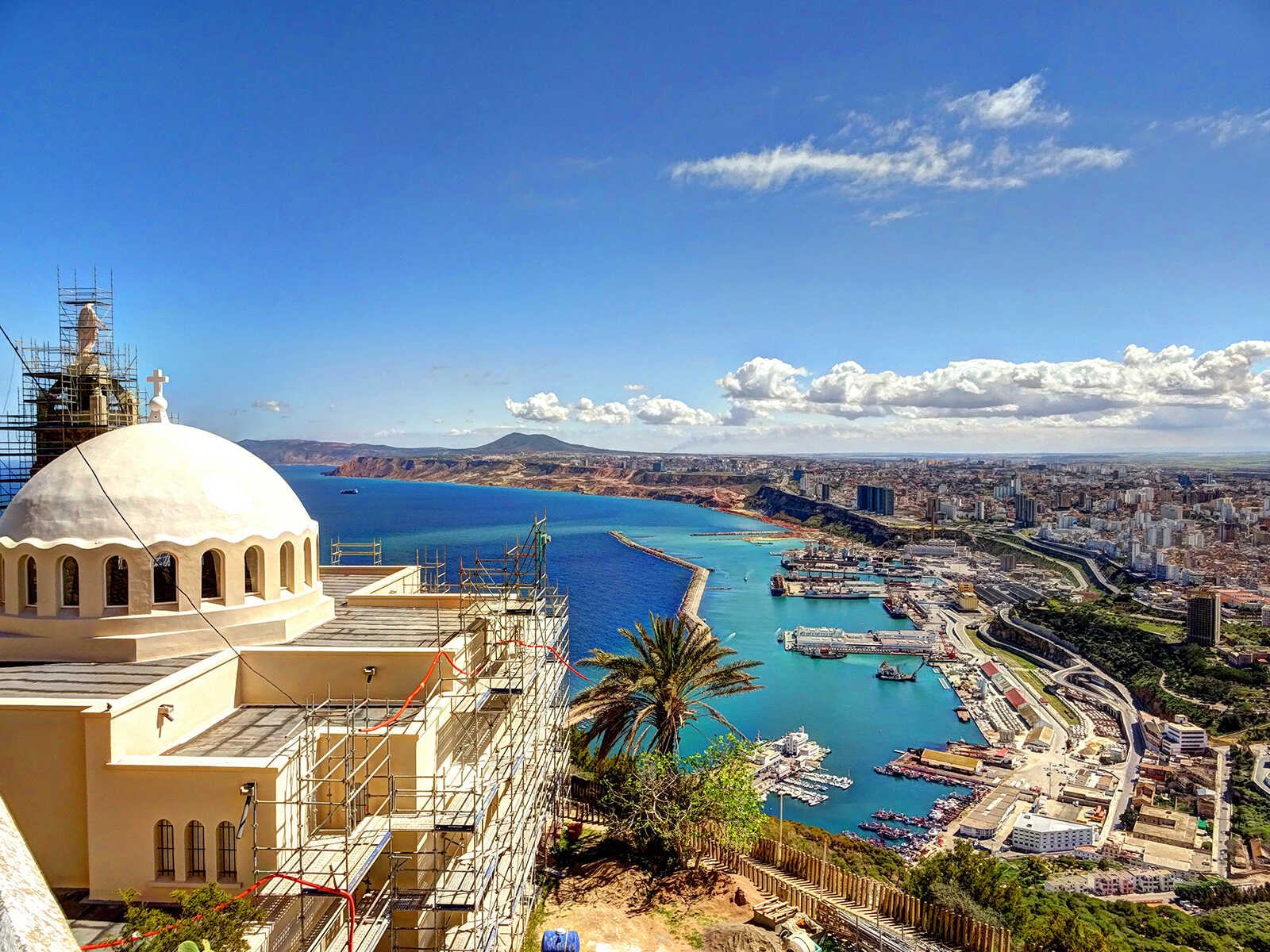
Algeria Visa Requirements: A Comprehensive Guide for International Travelers
Algeria, a land of captivating history, diverse landscapes, and vibrant culture, beckons adventurers from across the globe. Before you can immerse yourself in its wonders, understanding the visa application process is crucial for a smooth and stress-free journey.
This comprehensive guide will walk you through everything you need to know about obtaining an Algerian visa, ensuring you’re well-prepared for your unforgettable trip.
Do You Need a Visa for Algeria?
For most international travelers, the answer is a resoundingyes. Algeria maintains a strict visa policy, and the majority of foreign nationals are required to obtain a visa prior to their arrival. There are very few exceptions, primarily for citizens of certain Arab League countries who may enjoy visa-free entry for short stays. It is always best to check the specific requirements based on your nationality directly with the Algerian embassy or consulate in your country of residence.
Types of Algerian Visas
Algeria offers several visa categories tailored to the purpose of your visit. Understanding which one applies to you is the first step in the application process.
Tourist Visa
This is the most common visa type for individuals planning to explore Algeria's rich heritage and natural beauty. It is issued for leisure, sightseeing, and visiting friends or family. Typical requirements include a detailed itinerary, proof of accommodation (hotel bookings), or an invitation letter from an Algerian travel agency or a host residing in Algeria.
Business Visa
Intended for individuals traveling to Algeria for professional engagements such as meetings, conferences, negotiations, or commercial activities. Applicants usually need an official invitation letter from an Algerian company or organization, along with documentation proving the business nature of their visit.
Work Visa
For those who have secured employment in Algeria, a work visa is mandatory. This typically requires a valid work permit issued by the Algerian Ministry of Labor, an employment contract, and often a letter from the employing company in Algeria.
Family Visa / Private Visit Visa
If your primary purpose is to visit close family members or friends who are Algerian citizens or legal residents, you would apply for a family or private visit visa. An invitation letter from your host, along with proof of kinship and their residency status in Algeria, are essential documents for this category.
Transit Visa
A transit visa is required if you are passing through an Algerian airport on your way to another destination and need to leave the international transit area. For most nationalities, simply having a connecting flight and remaining within the transit zone might not require a visa, but it's crucial to confirm this with your airline and the Algerian consulate.
General Required Documents for an Algerian Visa Application
While specific requirements can vary based on your nationality and the type of visa, a standard set of documents is typically requested. Prepare these carefully to avoid delays:
- Valid Passport:Your passport must be valid for at least six months beyond your intended stay and have at least two blank pages for the visa stamp.
- Visa Application Form:Duly completed, dated, and signed. These forms are usually available for download on the embassy/consulate website.
- Passport-Sized Photographs:Usually two to four recent photos, meeting specific size and background requirements (e.g., white background, full face, no head covering unless for religious reasons).
- Proof of Accommodation:Confirmed hotel bookings for the duration of your stay, or a certified invitation letter (Lettre d'Accueil) from your host in Algeria, attested by the local municipality.
- Flight Itinerary:A copy of your round-trip flight booking showing your entry and exit dates from Algeria.
- Travel Insurance:Proof of comprehensive travel insurance covering medical emergencies, repatriation, and other travel-related incidents for the entire duration of your trip.
- Proof of Financial Means:Bank statements, pay stubs, or a letter from your employer demonstrating sufficient funds to cover your expenses in Algeria.
- Cover Letter:A personalized letter explaining the purpose of your visit, your itinerary, and confirming your intention to return to your home country.
- For Minors:A birth certificate, a notarized parental consent form (if traveling with one parent or alone), and copies of parents' passports.
- Additional Documents:Depending on your visa type, you may need invitation letters (business, family), work permits, school enrollment letters, etc.
The Application Process: Step-by-Step
Applying for an Algerian visa generally follows a structured process:
Step 1: Determine Your Visa Type
Based on your travel purpose (tourism, business, family visit), identify the correct visa category. This is critical as requirements differ significantly.
Step 2: Gather Required Documents
Collect all necessary documents as outlined above and any additional specific requirements listed by the Algerian embassy or consulate responsible for your region. Ensure all photocopies are clear and legible.
Step 3: Complete the Application Form
Fill out the visa application form accurately and completely. Any discrepancies or missing information can lead to delays or rejection. Sign and date the form.
Step 4: Schedule an Appointment (if required)
Many Algerian consulates require applicants to book an appointment online or by phone before submitting their application. Check the specific procedures of your local embassy.
Step 5: Submit Your Application
Submit your complete application package, either in person at the Algerian embassy or consulate or, in some cases, via mail. Ensure you have all original documents and their photocopies as requested.
Tip:Always check the specific submission methods accepted by your local Algerian embassy. Some require in-person applications, while others might allow mail-in options.
Step 6: Pay the Visa Fee
Visa fees vary by nationality and visa type. Payment methods also differ by embassy (cash, money order, bank transfer). Remember that visa fees are generally non-refundable, even if your application is denied.
Step 7: Await Processing and Collect Your Visa
Processing times can range from a few days to several weeks, depending on the embassy's workload and the complexity of your application. Plan to apply well in advance of your intended travel date. Once approved, you will be notified to collect your passport with the affixed visa.
Important Considerations and Tips
- Apply Early:It is highly recommended to apply for your visa at least 1-2 months before your planned departure, especially during peak travel seasons.
- Check Specific Embassy Requirements:Visa rules can sometimes vary slightly between different Algerian embassies. Always consult the official website of the embassy or consulate where you plan to apply for the most up-to-date and accurate information.
- Visa on Arrival:Generally, Algeria doesnotoffer visas on arrival for most nationalities. Do not travel without a pre-obtained visa.
- Travel Insurance:Beyond being a requirement, comprehensive travel insurance is a wise investment for any international trip.
- Local Laws and Customs:Familiarize yourself with Algeria’s local laws and customs to ensure a respectful and enjoyable visit.
- Currency:The local currency is the Algerian Dinar (DZD). Exchanging foreign currency is typically done at official banks or exchange offices.
Exploring Algeria with Your Visa
Once your visa is secured, a world of ancient wonders and natural beauty awaits. In the capital, Algiers, explore the labyrinthine alleys of the historic Casbah of Algiers or visit the stunning Basilique Notre Dame d'Afrique. Further afield, marvel at the meticulously preserved Roman Ruins of Djemila, a UNESCO World Heritage site that transports you back in time.
For those drawn to dramatic landscapes, the prehistoric rock art and geological formations of Tassili n'Ajjer and the vast, otherworldly beauty of Ahaggar National Park in the Sahara Desert are unparalleled experiences. Discover the unique pentapolis of the M'Zab Valley, another UNESCO site, or trace history at the Historic site Tipasa with its Roman and Phoenician remnants along the coast.
Beyond the major sites, cities like Tlemcen offer rich cultural tapestries, while the Sidi M'Cid Bridge in Constantine provides breathtaking views. Even natural wonders like the Plage de La Grotte Merveilleuse(Wonderful Cave Beach) offer unique geological experiences.
Conclusion
Obtaining an Algerian visa requires careful preparation and adherence to specific guidelines, but the reward is an unforgettable journey through a country rich in history, culture, and breathtaking landscapes. By following this guide and ensuring all your documents are in order, you can confidently navigate the application process and look forward to an incredible adventure in Algeria. Start planning your trip today!