
A Brief History of Algeria for Travelers: Key Events and Heritage
Algeria, a land of vast deserts, stunning coastlines, and ancient cities, offers travelers an immersive journey through millennia of human history. Understanding its past is key to appreciating the vibrant culture and diverse landscapes you'll encounter today, from prehistoric rock art to grand Roman ruins and Ottoman-era architecture. Dive into the pivotal moments that shaped this incredible North African nation.
Prehistoric Roots and Early Inhabitants
Algeria's story begins long before recorded history, evidenced by remarkable archaeological finds that paint a picture of ancient life. The Saharan regions, particularly the Tassili n'Ajjer, boast a breathtaking open-air museum of prehistoric rock art, depicting scenes of hunting, daily life, and a once-lush Sahara. These engravings and paintings, some dating back over 10,000 years, offer a unique window into the lives of early hunter-gatherers and pastoralists.
The indigenous Berber people, or Amazigh, have inhabited this region for thousands of years, forming the bedrock of Algeria's cultural identity. Their enduring presence and rich traditions predate successive waves of foreign influence, contributing significantly to the nation's linguistic, artistic, and social fabric.
Ancient Civilizations: Phoenicians, Romans, and Beyond
The strategic Mediterranean coast of Algeria attracted powerful empires from across the sea. Around the 12th century BCE, the Phoenicians established trading posts, eventually leading to the rise of Carthage, which exerted significant influence over the region.
The Romans followed, transforming much of northern Algeria into the prosperous province of Mauretania Caesariensis and Numidia. They left an indelible mark, constructing magnificent cities, roads, and agricultural systems. Travelers can marvel at the impressive legacies of this era at sites like the Roman Ruins of Djemila and the Historic site Tipasa, both UNESCO World Heritage sites, where temples, forums, and amphitheaters stand testament to Roman grandeur.
Travel Tip:When visiting Roman sites like Djemila or Tipasa, wear comfortable shoes and bring water. These expansive ruins offer a profound sense of history, best explored at a leisurely pace.
Following the decline of the Roman Empire, the region experienced periods under Vandal and Byzantine rule, each contributing layers to Algeria's complex heritage before the next major transformation arrived.
The Dawn of Islam and Flourishing Dynasties
The 7th century CE marked a profound turning point with the arrival of Arab Muslim armies. The spread of Islam profoundly reshaped Algeria's society, culture, and political landscape. Over centuries, various Islamic dynasties rose and fell, each leaving its distinct architectural and cultural imprint.
Notable among these were the Fatimids, who founded a powerful empire that stretched across North Africa, and later the Almoravids and Almohads, Berber dynasties that united much of the Maghreb and Andalusia. These periods saw the flourishing of Islamic scholarship, art, and architecture. The city of Tlemcen, for instance, became a prominent center of learning and trade under the Zayyanid dynasty, showcasing exquisite examples of Hispano-Moorish architecture.
Another unique legacy of this era is the M'Zab Valley, a UNESCO World Heritage site. This pentapolis of fortified towns, built by the Ibadi Berbers in the 10th century, presents a remarkably preserved and distinctive form of Islamic urbanism and social organization.
Ottoman Algeria: A Regency of Algiers
From the early 16th century, much of Algeria became integrated into the Ottoman Empire, forming the semi-autonomous Regency of Algiers. This period saw Algiers transform into a significant Mediterranean port and a formidable naval power, often associated with the Barbary corsairs. The Ottomans brought new administrative structures, military technologies, and a distinct architectural style.
The heart of Ottoman Algiers was the Casbah of Algiers, a labyrinthine urban citadel that served as the seat of power and a bustling commercial and residential district. Its winding alleyways, historic mosques, and Ottoman palaces offer a tangible link to this era, making it a captivating place to explore.
French Colonial Rule and the Struggle for Identity
The year 1830 marked the beginning of French colonial rule, a period that would profoundly and controversially impact Algeria for over 130 years. The French conquest was brutal, followed by extensive settlement and the imposition of French language, culture, and legal systems. Algeria was eventually integrated as three French departments, rather than a colony, which complicated its path to independence.
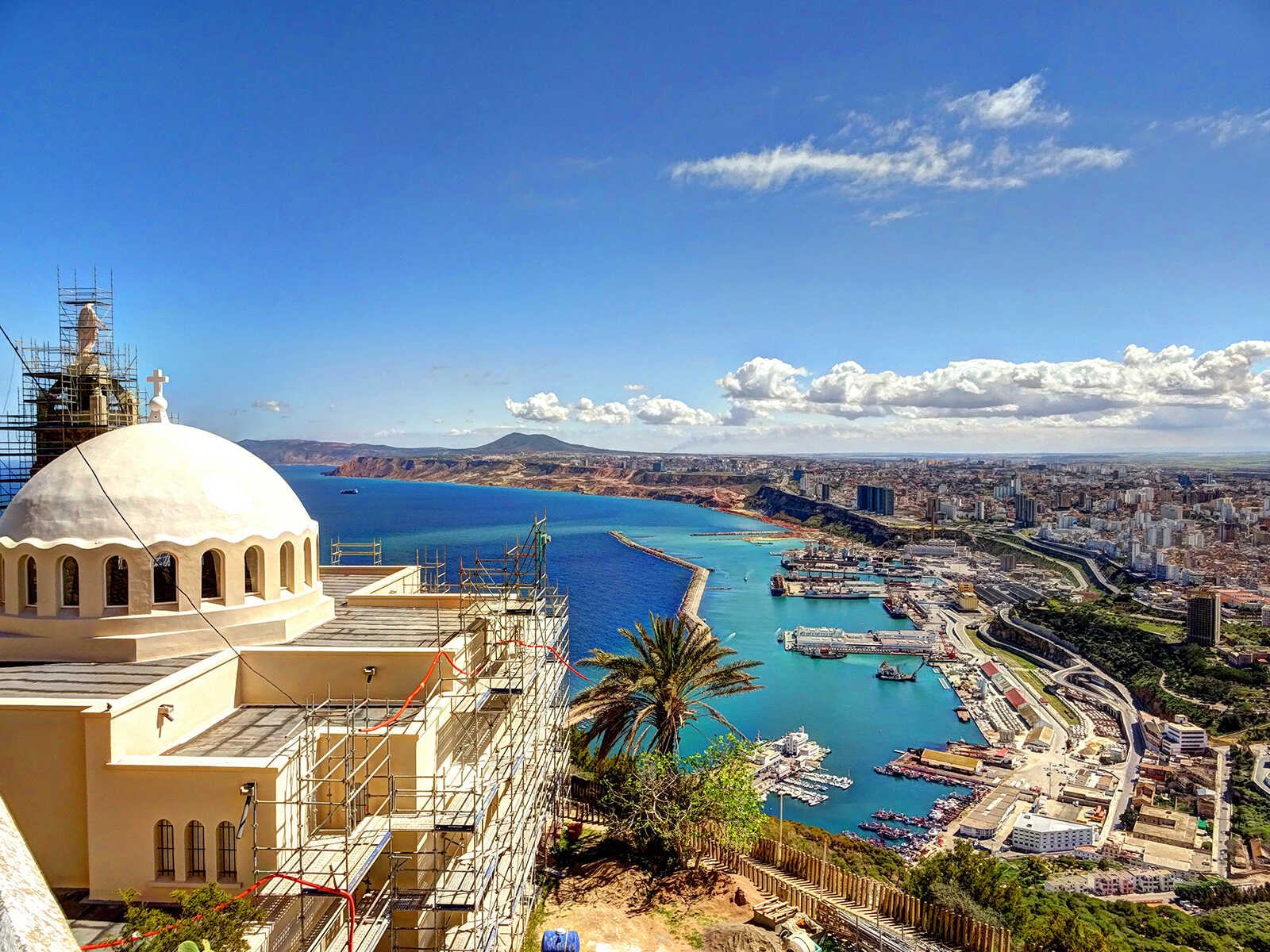
During this period, Algeria saw significant infrastructural development, but also widespread land confiscation, economic exploitation, and cultural suppression of the indigenous population. Resistance movements, both peaceful and armed, emerged throughout the colonial era. Iconic structures like the Basilique Notre Dame d'Afrique in Algiers, while beautiful, stand as a testament to the complex legacy of French presence.
The War of Independence and Modern Algeria
The deep-seated grievances against colonial rule culminated in the Algerian War of Independence (1954-1962), a brutal and transformative conflict. Led by the National Liberation Front (FLN), the Algerian people waged a determined struggle against French forces, enduring immense suffering but ultimately achieving victory. The war was a defining moment, forging a strong sense of national identity and inspiring anti-colonial movements worldwide.
On July 5, 1962, Algeria gained its independence. The post-independence era focused on nation-building, economic development, and asserting its place on the international stage. The Martyrs’ Memorial(Maqam Echahid) in Algiers stands as a powerful and poignant tribute to the millions who sacrificed their lives for Algeria's freedom, offering panoramic views of the city and a profound sense of national pride.
Algeria Today: A Living History
Today, Algeria is a modern nation that proudly embraces its rich and diverse heritage. The echoes of its past are visible everywhere – in the ancient ruins scattered across its landscape, the vibrant markets of its cities, the resilient spirit of its people, and the diverse influences in its cuisine, music, and art.
From the ancient rock art of Tassili n'Ajjer and the vast wilderness of Ahaggar National Park, to the bustling streets of the Casbah of Algiers and the grandeur of Djemila, Algeria offers a journey not just through space, but through time. Travelers who delve into its history will find a deeper connection to this remarkable country and its enduring legacy.